- Pet Obesity
Dangers of Pet Obesity
The facts
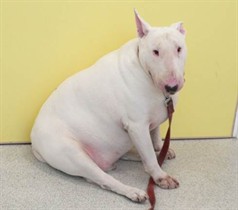
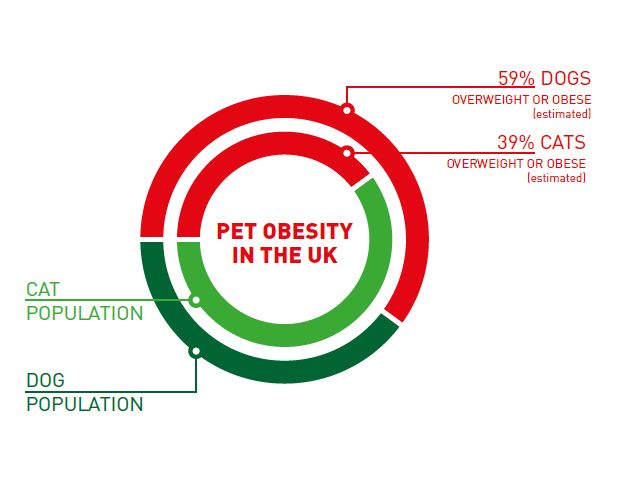
Obesity in dogs and cats is not just a ‘cosmetic issue’, but is actually a chronic and incurable disease; now the most common medical disorder of companion animals. A dog or cat is classified as overweight when they exceed their ideal weight by 10% and are classified as obese when they exceed their ideal weight by more than 20%.It is estimated that 39%—59% of dogs and cats in the UK are in this category.
The condition is known to predispose overweight animals to a variety of associated pathological disorders, such as cardiac and respiratory diseases, osteo-articular diseases (from which obese pets are three times more likely to suffer), urinary tract disorders, urolithiasis, and Diabetes Mellitus. In addition overweight pets are at greater risk during surgery and anaesthesia. Life expectancy can be reduced as a result, and quality of life for the pet can be severely affected. The disease is preventable, and yet many people still fail to recognise obesity or to treat it seriously.
Obesity develops when the intake of energy exceeds its expenditure for prolonged periods. Whilst some other factors such as genetics, some endocrine disorders and neutering can predispose the disease, the primary cause is this simple energy imbalance, which is the result of overfeeding and insufficient exercise. Inaccurate measurement of food portions, excessive treating, inactivity and indoor lifestyles are all contributory factors. Correctly managed and complied with, a weight loss programme of calorie restriction, in conjunction with appropriate levels of exercise, is effective in returning the pet to its ideal weight, and ongoing dietary management will maintain its weight at a healthy level. To achieve these results, owners need access to correctly formulated calorie-controlled diets which satiate the animal and provide the necessary vitamins and minerals for health, and the expertise and support of their veterinary practice to help them make successful progress.
Benefits of weight loss
Pets who are kept at an ideal body condition can live longer and avoid many diseases.
Successful weight loss leads to:
|
Before |
After |
|
|
 |
|
|