Best Exercise for Overweight Dogs: A Practical Guide from a Veterinary Weight Management Clinic
Medically reviewed by Dr. Alex German, BVSc PhD CertSAM DipECVIM-CA — Reader in Small Animal Medicine, University of Liverpool
Key Takeaways
- Start with short, low-intensity activities for overweight dogs: 5 to 10 minute short walks, 2 to 4 times daily, are safer and more productive than one long session, especially for senior dogs or those with joint or breathing issues.
- The "best" exercise depends on the individual overweight dog. Age, breed, existing health problems, and body condition score all matter. Pain or mobility issues must be addressed before increasing activity.
- Diet and exercise together produce the most effective weight loss. In a clinical trial at the University of Liverpool, dietary restriction alone led to a median 10% reduction in starting body weight, while exercise alone achieved only about 2%.
- Consult your veterinarian before starting a new exercise program. Your veterinary healthcare team can identify underlying health concerns that affect what is safe, and can calculate the calories needed for weight loss.
- Aim for a weight loss rate of 1 to 2% of body weight per week. For a 75-pound (34 kg) dog, that is about 0.75 to 1.5 pounds per week.
The best exercises for an overweight dog are structured short walks, gentle play, and low-impact options such as swimming or underwater treadmill work, all matched to the individual dog’s body condition and health status. These forms of physical exercise protect joints, support cardiovascular fitness, and help an overweight dog lose weight when combined with calorie control. Exercise routines for dogs should be tailored based on weight and breed, and no single activity suits every dog.
Any exercise plan for an overweight dog should be built with a veterinarian. Weight loss in overweight dogs often requires a combination of exercise and calorie control, supervised at roughly 1 to 2% of the dog’s weight per week with regular weigh-ins. This guidance comes from the ROYAL CANIN Weight Management Clinic at the University of Liverpool Small Animal Teaching Hospital. Always consult your own veterinary surgeon before changing your dog’s diet or exercise.
What Is the Best Type of Exercise for an Overweight Dog?
For most overweight and obese dogs, the exercise “core” is regular, controlled leash walks combined with gentle play. Walking is a great low-impact exercise for dogs and can begin as soon as the vet clears the dog, even if initially only 5 minutes at a time. As fitness improves, owners can add low-impact endurance work like swimming.
Low-impact activities protect joints and the heart while supporting a healthy body condition. There is no single “one-size-fits-all” best exercise. The safest choice is the one your dog can perform without pain, excessive panting, or distress, and that can be repeated consistently most days of the week. Many dogs tolerate walking well from the start; a few dogs need alternatives like indoor pacing or hydrotherapy.
Weight loss requires both dietary calorie restriction and regular exercise. In a 2016 study published in the Journal of the American Veterinary Medical Association, dogs on a fitness-plus-diet program lost 13 to 14% of their body weight over 12 weeks and preserved lean body mass, while the diet-only group lost comparable total weight but experienced muscle loss. Dogs should lose 1% to 2% of their body weight weekly.
How Can I Tell if My Dog Is Too Overweight for Certain Exercises?
Veterinarians can assess your dog’s body condition accurately using the 9-point body condition score (BCS) scale, where a score of 4 or 5 out of 9 is ideal. A BCS of 6 to 7 indicates overweight; 8 to 9 indicates obese. Your veterinary team will also evaluate muscle condition to check for wasting that could worsen with overly aggressive exercise.
At home, you can perform simple checks:
-
Run your hands along the ribcage. You should be able to feel the ribs without pressing hard, but they should not be visually prominent.
-
Look at the dog from above. An overweight dog typically lacks a visible waist.
-
Watch for a sagging abdomen, difficulty rising, reluctance to climb stairs, or inability to jump into the car.
Watch for signs of distress during exercise such as heavy panting or reluctance to move. Loud or prolonged panting that does not settle within a few minutes, limping, lagging behind, slowing suddenly, or refusing to walk are all signals that the current level is too intense. Brachycephalic breeds like Bulldogs and Pugs, dogs with arthritis, and very senior dogs often need a more cautious exercise plan, including shorter walks during cooler parts of the day. Have your veterinary surgeon assign a BCS, check for underlying health problems (heart, lungs, joints, endocrine disease), and approve the exercise plan before you increase intensity.
Why Is Exercise So Important for Overweight Dogs?
Exercise helps an overweight dog lose weight, preserve lean muscle, and improve joint comfort and cardiovascular fitness. A dog carrying excess weight faces a higher risk of several health problems:
-
Obesity can lead to diabetes in dogs.
-
Obese dogs are at higher risk for heart disease.
-
Obesity increases the likelihood of joint degeneration.
-
Obese dogs may suffer from high blood pressure.
-
Respiratory problems worsen with excess body weight.
-
Obesity can reduce a dog’s lifespan; a landmark JAVMA study showed that dogs maintained at ideal weight lived a median of 1.8 years longer than their overfed littermates.
Controlled physical exercise supports a healthy body condition and complements veterinary pain management or joint support programs, especially in senior dogs. Exercise also provides mental stimulation and reduces boredom-related behaviors like chewing or barking, which is relevant when food portions are restricted during weight loss. Even modest weight loss, supported by regular movement, is associated with measurable improvements in lameness scores and mobility in dogs with osteoarthritis.
How Do I Work With My Vet to Build a Safe Exercise Plan?
Consulting a vet helps identify underlying health issues before you change an overweight dog’s exercise. Heart disease, respiratory problems, joint pain, and endocrine conditions like hypothyroidism can all affect what is safe. Veterinarians recommend tailored weight loss plans for dogs based on each animal’s medical status.
A typical veterinary visit for weight management includes:
-
Physical exam and gait assessment
-
Discussion of the dog’s weight history and current diet
-
Body condition and muscle condition scoring
-
Baseline blood tests where indicated (thyroid panel, metabolic screen)
Agree with your vet on a target weight, estimated daily calories (veterinarians can calculate the calories needed for weight loss), and an exercise plan that can be adjusted based on progress. The ROYAL CANIN Weight Management Clinic and similar referral centers may use tools like underwater treadmills or structured exercise sessions for complex obesity cases, but most dogs can start at home with short walks. The exercise plan should be reviewed at follow-up visits, with adjustments if weight loss is slower or faster than the ideal 1 to 2% of body weight per week.
Low-Impact Exercises: Where Should Overweight Dogs Start?
Low-impact exercises help prevent joint stress in overweight dogs and are the safest starting point, especially for those with arthritis, mobility issues, or months of inactivity behind them.
Short leash walks. Start with 5 to 10 minute short walks on flat ground, 2 to 4 times a day, increasing weekly as advised by your vet. Short walks on soft surfaces like grass reduce joint impact compared to hard surfaces like concrete. Gradual increases in duration prevent injury.
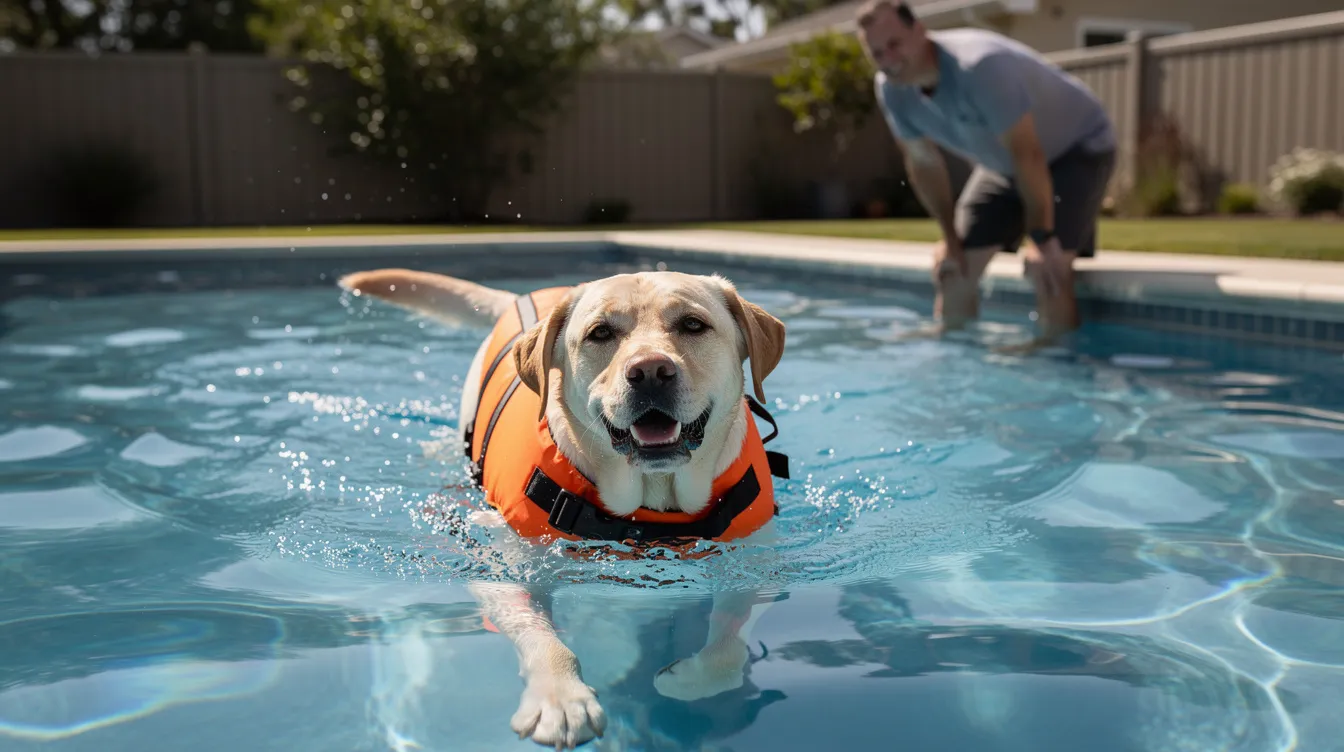
Swimming. Swimming is a low-impact exercise suitable for overweight dogs because water supports body weight and eliminates stress on joints while providing a cardiovascular workout. Keep initial sessions to 5 to 10 minutes with rest breaks. Wearing a life vest can improve safety during swimming for dogs, especially those unfamiliar with water. Swimming is suitable for all dogs once the vet approves and the dog is comfortable.
Underwater treadmill. Controlled treadmill exercise can offer resistance without joint impact. At mid-torso water height, an underwater treadmill reduces effective weight bearing by 60 to 70%. Sessions typically start at 15 to 20 minutes, building toward 30 minutes over several weeks. Treadmill training can be a low or high-impact exercise option and can be adjusted accordingly.
Indoor movement. Slow leash pacing in hallways, controlled figure-8s on non-slip flooring, and gentle step-ups onto a low platform help in hot weather or when dogs fatigue quickly outdoors.
How Do I Progress From Short Walks to a Full Exercise Routine?
Once the dog tolerates initial short walks comfortably, owners can gradually increase duration and, later, pace. Gradually build a dog’s exercise routine to prevent injury. A practical progression:
-
Weeks 1 to 2: Two to four 5-minute walks daily on flat, even ground.
-
Weeks 3 to 4: Increase total daily walk time by about 10 to 20% per week. If the dog walked 20 minutes total per day, aim for 22 to 24 minutes.
-
Weeks 5 to 8: Begin adding gentle pace variation within walks: 2 to 3 minutes at a slightly brisker speed, then back to normal pace.
-
Beyond week 8: Aim toward 30 to 45 minutes of brisk walking most days. Walking briskly for 30 minutes five days a week aids weight loss and is a common veterinary recommendation.
Avoid sudden high-impact activities for overweight dogs until they have lost enough weight and built baseline fitness. Running increases calorie burn effectively for dogs, but it should only be introduced after the dog is comfortable with brisk level walks. Hills or stairs come after level ground is well tolerated. Surfaces should be even and non-slippery at first.
Keep a simple exercise log: date, duration, distance if known, and how the dog coped. Share this with your veterinary team so they can help adjust the plan.
Which Play-Based Activities Help an Overweight Dog Lose Weight Safely?
Structured play is a practical way to increase a dog’s physical activity, but it should match the dog’s current weight and fitness level.
Gentler options suitable at the start of a weight loss plan:
-
Controlled tug with short sessions and rest breaks
-
Slow “find it” games using a portion of the dog’s measured meal
-
Gentle backyard fetch sessions can keep dogs active without overexertion; use low-bounce balls over soft ground. Fetch can be played at varying intensities for fitness.
-
Squeaky toys used in brief, controlled play sessions; many dogs love a quick tug or chase with a favorite toy
High-impact games with fast, repeated ball chasing, sudden direction changes, or jumping should be avoided early on, especially for dogs with joint disease.
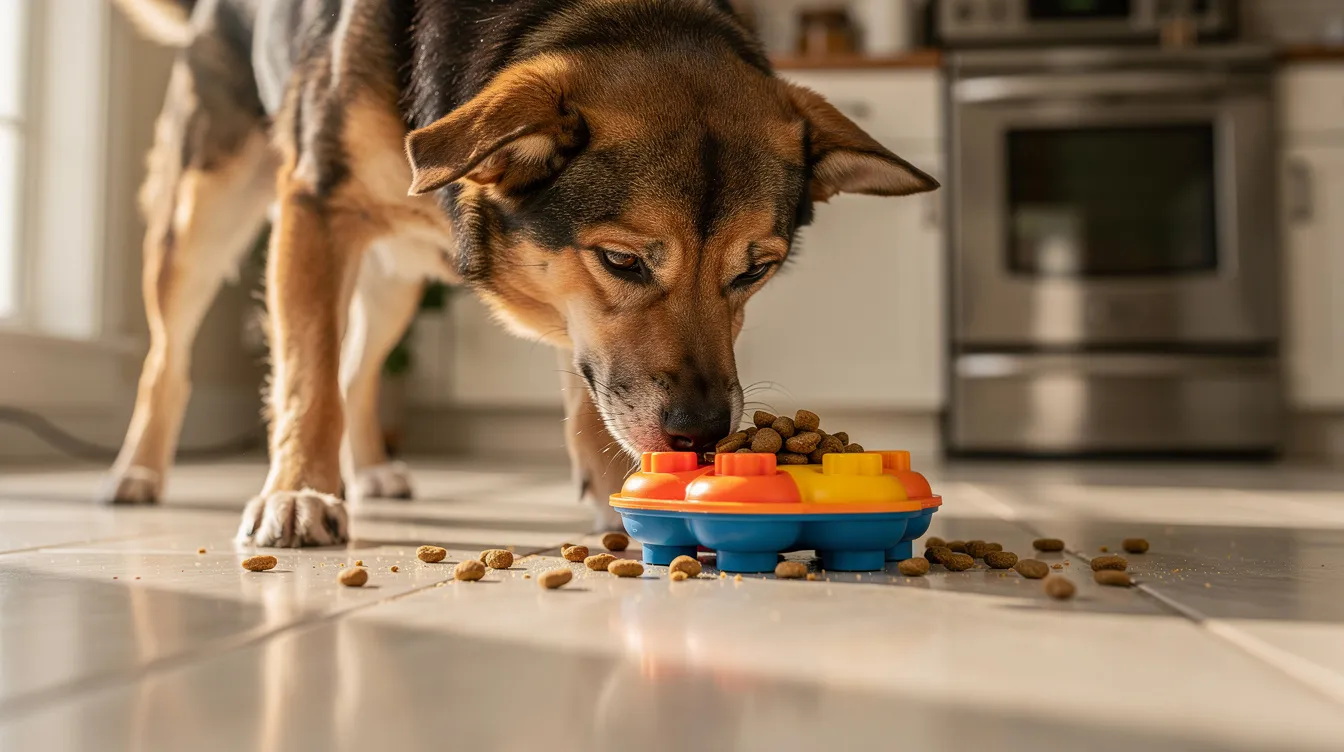
Indoor enrichment counts, too. Using puzzle toys can make feeding time active and engaging for dogs. Scattering kibble on a snuffle mat or laying simple scent trails around the house increases daily movement and mental stimulation without over-taxing joints. Encourage games that involve thinking and moving slowly rather than sprinting.
Count any food used in games or puzzle feeders toward the dog’s daily calorie allowance so that play does not add additional calories and undermine weight loss.
Are There Special Considerations for Senior Dogs or Dogs With Health Problems?
Senior dogs and those with medical conditions such as arthritis, heart disease, or respiratory problems require extra care, but they can still benefit from a customized exercise plan. For many senior dogs, multiple very short walks (5 to 10 minutes, 3 to 5 times daily) are better than one long session, with close monitoring for stiffness the following day.
Pain control prescribed by a vet for osteoarthritis can make gentle exercise more comfortable and more effective for weight loss. Dogs may move more willingly and cover more ground when discomfort is managed properly. Some dogs with advanced disease may need to focus on very low-intensity movement: indoor pacing, supported standing exercises, or hydrotherapy sessions overseen by a veterinary rehabilitation specialist.
Any change in a senior dog’s exercise should be cleared with the veterinary surgeon first. Weight loss targets may be slower in very elderly or medically fragile dogs, and the veterinary team will adjust expectations accordingly.
How Can I Keep My Overweight Dog Motivated to Move More?
Overweight dogs may initially resist exercise. Positive reinforcement and routine help them build enthusiasm over time.
-
Walk at the same times each day to build habit. A predictable daily walk becomes something dogs anticipate.
-
Choose quiet routes without overwhelming traffic or unfamiliar dogs, and start sessions where the dog already feels confident, such as a familiar park or backyard.
-
Use non-food rewards where possible: praise, petting, access to favorite sniffing spots, or a brief play session at the end of a walk. This avoids adding more calories.
-
Involve the whole family so that everyone follows the same exercise plan and avoids over-treating. Consistency is vital for successful weight management and better control of the dog’s weight.
-
If a dog begs for treats during walks, redirect with verbal praise or a short sniff break rather than food.
If the dog suddenly becomes less willing to exercise after previously enjoying it, this may signal pain or illness. Schedule a veterinary check promptly.
What Additional Tips Help My Dog Lose Weight Safely Alongside Exercise?
Exercise works best when paired with everyday management choices that support the overweight dog’s weight loss program and overall health.
Accurate food measurement. Weigh food with a gram scale or use a level measuring cup. Eyeballing food amount often leads to overfeeding. If you place the food bowl upstairs or in a different location frequently, the dog gets a few extra steps built into the day.
Treat control. Limit treats to about 10% or less of daily calories and count them toward the daily total. Table food and uneaten food left in the food bowl can contribute to weight gain. Remove uneaten food after 15 to 20 minutes. Fewer calories from treats means the dog’s main diet supplies balanced nutrition.
Regular weigh-ins. Weigh the dog every 2 to 4 weeks using the same scale and record results to share with the veterinary team. Regular vet check-ups are crucial during a weight loss program.
Home environment. Provide non-slip mats on slippery floors, supervise stair use, and prevent unsupervised access to other pets’ food bowls or high-calorie foods. Keep fresh water available at all times.
Diet transition. When starting a new diet or new food prescribed for weight loss, allow a slower transition over 7 to 10 days, mixing old and new food gradually. Monitor stool quality during the change. Your vet will help determine if fewer calories from the current diet or a specific weight loss formula is the right approach.
Any weight loss plan should aim for approximately 1 to 2% of the dog’s starting weight per week under veterinary supervision, adjusting diet and exercise if progress falls outside that range.
When Should I Stop or Adjust My Dog’s Exercise Plan?
Exercise should always be flexible. Recognize when to slow down, rest, or seek veterinary help.
Stop exercise and contact your vet if you observe:
-
Persistent limping or refusal to bear weight
-
Collapse or near-collapse
-
Blue or purple gums
-
Coughing during or after activity
-
Sudden behavior change during exercise
Adjust the plan if you notice:
-
The dog takes much longer to recover after a walk than it did previously
-
Regular lagging behind or new reluctance to go on walks
-
Worsening stiffness the next day
-
Monitor your dog for signs of overheating during exercise; dogs may pant heavily, drool excessively, or seek shade
Reduce intensity or move walks to cooler parts of the day during hot or humid weather, especially for brachycephalic breeds and senior dogs. Provide shade and water on every outing.
Regular follow-up appointments with your veterinary surgeon (for example, monthly during active weight loss) allow safe adjustments to both the exercise plan and diet as the dog’s weight and fitness level improve. Gradual increases remain the guiding principle throughout your dog’s life.
Frequently Asked Questions
How quickly should my overweight dog lose weight when we start exercising more?
Most veterinary teams aim for a weight loss rate of roughly 1 to 2% of the dog's starting body weight per week, combining diet changes and exercise. For a 50-pound dog, that means about 0.5 to 1 pound per week. Faster loss can risk muscle loss or nutritional problems. Your veterinary team will monitor progress and adjust the plan if the rate falls outside this range.
Can my dog lose weight with exercise alone if I don't change the food?
For most overweight dogs, exercise alone is not enough to achieve meaningful weight loss. In a University of Liverpool clinical trial, increasing physical activity alone resulted in only about 2% weight loss, while dietary caloric restriction produced about 10%. A balanced weight loss plan combining appropriate exercise with calorie control is usually necessary to help an overweight dog lose weight effectively. Veterinarians can help determine the right food amount and a new diet if needed.
Is it safe for an overweight dog to run or hike?
Running, hiking on uneven ground, or other high-impact activities should only be considered after a veterinary check, once some weight has already been lost and the dog is moving comfortably on brisk, level walks. Overweight or obese dogs face a higher risk of joint injury and cardiovascular strain from sudden intense activity. Start with low-impact options and build toward higher-intensity exercise over weeks or months.
What's the best exercise for a very overweight dog that hates walks?
Try very short, fun, low-pressure walks of just 2 to 3 minutes, indoor pacing on non-slip surfaces, gentle sniff-walks where the dog sets the pace, or hydrotherapy if available. Keep sessions brief and positive so the dog gradually builds confidence and stamina. Some dogs respond well to pet-safe scent games or slow-paced play indoors before they are ready for outdoor walking.
How often should my vet recheck my dog during a weight loss and exercise program?
Many clinics recommend rechecks every 2 to 4 weeks during active weight loss to monitor the dog's weight, body condition, and comfort with the exercise plan, and to adjust food or activity levels as needed. Once the dog reaches a healthy weight, visits can shift to every few months to help prevent weight gain and maintain overall health.
References
- German AJ, Titcomb JM, Holden SL, et al. Cohort study of the success of controlled weight loss programs for obese dogs. Journal of Veterinary Internal Medicine. 2015;29(6):1547-1555.
- German AJ. Obesity in companion animals. Journal of Nutrition. 2006;136(7 Suppl):1940S-1946S.
- Freeman LM, Becvarova I, Cave NJ, et al. WSAVA Global Nutrition Guidelines. Journal of Small Animal Practice. 2011;52(7):385-396.
- Association for Pet Obesity Prevention. 2022 Pet Obesity Prevalence Survey Results. Association for Pet Obesity Prevention; 2023.
- Ward E, Laflamme D, Lewis T. Canine and feline obesity: a review of pathophysiology, epidemiology, and clinical management. Veterinary Clinics of North America: Small Animal Practice. 2014;44(4):699-715.
- American Animal Hospital Association (AAHA). 2021 AAHA Nutrition and Weight Management Guidelines for Dogs and Cats. Journal of the American Animal Hospital Association. 2021;57(3):153-178.
- Kealy RD, Lawler DF, Ballam JM, et al. Effects of diet restriction on life span and age-related changes in dogs. Journal of the American Veterinary Medical Association. 2002;220(9):1315-1320.
- Marshall WG, Hazewinkel HAW, Mullen D, et al. The effect of weight loss on lameness in obese dogs with osteoarthritis. Veterinary Research Communications. 2010;34(3):241-253.

Georgia Woods
RVN — ROYAL CANIN® Weight Management Clinic Nurse
Georgia Woods trained as a Veterinary Nurse in 2001 and qualified in 2004, going on to run nurse-led obesity clinics and work in emergency and critical care. She completed the ROYAL CANIN® Pet Health Councillor course, and since 2015 has been the ROYAL CANIN® Weight Management Clinic Nurse at the University of Liverpool Small Animal Teaching Hospital, where she works exclusively with obese pets.
This article is for general information only and is not a substitute for professional veterinary advice. Always consult your veterinary surgeon about the health of your pet.