· Pet Slimmers Editorial Team · Service Dogs
· 15 min read
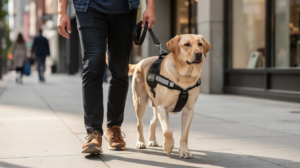
To get a service dog, you must have a qualifying disability, identify specific tasks a dog can perform to mitigate it, and then either apply to a reputable service dog organization or train a dog yourself …
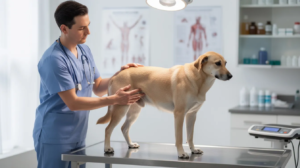
Regularly weighing your dog or cat at home is one of the simplest ways to monitor their health between veterinary visits. A consistent home weighing routine helps you detect gradual weight changes, supports any active weight …
Excess weight is one of the most significant - and most fixable - factors that worsen arthritis pain in dogs. Research consistently shows that even modest weight loss of 6–10% of body weight can measurably reduce …
Hypothyroidism in dogs is one of the most common hormonal disorders in veterinary medicine, and it nearly always causes weight gain. When the thyroid gland fails to produce enough thyroid hormones, your dog's metabolism slows significantly, …
Neutering can lead to weight gain in dogs, but it does not have to. The procedure creates metabolic and hormonal shifts that make weight gain more likely, yet with the right feeding, exercise, and monitoring, a …
Fresh vegetables like carrots and green beans, lean proteins such as plain cooked chicken, and portion-controlled kibble make the best healthy treats for overweight dogs. These options provide satisfaction and nutrition while keeping calories under ten …
Most healthy, neutered adult dogs need roughly 25–30 calories per pound (55–65 kcal/kg) of ideal body weight per day. That said, this is only a starting estimate. Your dog's actual caloric needs depend on age, breed, …
Weight management dog food is a specially formulated diet that delivers fewer calories per serving while increasing protein and fiber content, helping overweight dogs lose weight safely and maintain a healthy weight under veterinary supervision. Over …
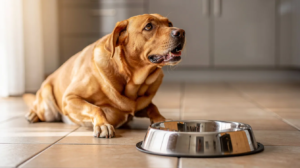
Most dogs are enthusiastic eaters. But if your dog's appetite has ramped up noticeably, or if your pet never seems satisfied no matter how much they eat, the cause could range from normal breed-related food motivation …
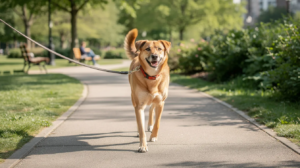
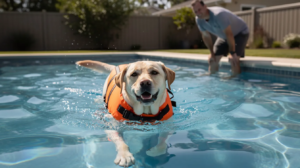
The best exercises for an overweight dog are structured short walks, gentle play, and low-impact options such as swimming or underwater treadmill work, all matched to the individual dog's body condition and health status. These forms …