Hypothyroidism in Dogs and Weight Gain: How Low Thyroid Affects Your Dog’s Waistline
Medically reviewed by Dr. Alex German, BVSc PhD CertSAM DipECVIM-CA — Reader in Small Animal Medicine, University of Liverpool
Key Takeaways
- Hypothyroidism slows down a dog's metabolism significantly, leading to unexplained weight gain even when food intake and exercise stay the same. It is a common, lifelong thyroid disease in middle-aged, medium-to-large breed dogs.
- Diagnosis requires blood tests (a full thyroid profile including TT4, free T4, and canine TSH) interpreted alongside clinical signs of hypothyroidism-not just a single low T4 result.
- Treatment involves lifelong hormone replacement therapy with levothyroxine plus a tailored weight management plan. Weight loss should be supervised by a veterinarian, aiming for roughly 1–2% of body weight per week.
- Not every overweight dog has a thyroid problem. Excess calories, treats, reduced activity, and neuter status are statistically more common causes of weight gain.
- This article is written from the perspective of the ROYAL CANIN Weight Management Clinic at the University of Liverpool Small Animal Teaching Hospital. It is for educational purposes for a US audience and is not a substitute for advice from your own veterinary surgeon.
Hypothyroidism in dogs is one of the most common hormonal disorders in veterinary medicine, and it nearly always causes weight gain. When the thyroid gland fails to produce enough thyroid hormones, your dog’s metabolism slows significantly, meaning fewer calories are burned at rest and during normal activity. The good news: most dogs improve with appropriate treatment and a structured weight-loss plan supervised by their veterinarian.
What Is the Thyroid Gland and Why Does It Matter for Your Dog’s Weight?
The thyroid gland is a paired, butterfly-shaped structure located in your dog’s neck alongside the trachea. This important gland produces thyroid hormone-mainly thyroxine (T4)-which is then converted to the active form, triiodothyronine (T3), in tissues throughout the body. T3 is the hormone that directly regulates the body’s metabolic rate.
Here is what thyroid hormones control in your dog:
-
Calorie burning: They set the pace for how quickly your dog’s body uses energy at rest and during activity.
-
Heart rate and body temperature: Thyroid hormones regulate the body’s internal thermostat and cardiovascular function.
-
Fat and carbohydrate metabolism: They govern how the body breaks down and stores fats and sugars across multiple body systems.
When the thyroid gland underperforms-a condition called hypothyroidism-the body’s metabolism slows. Dogs burn fewer calories at rest and become prone to weight gain and obesity, even if their food intake hasn’t changed.
What Is Hypothyroidism in Dogs?
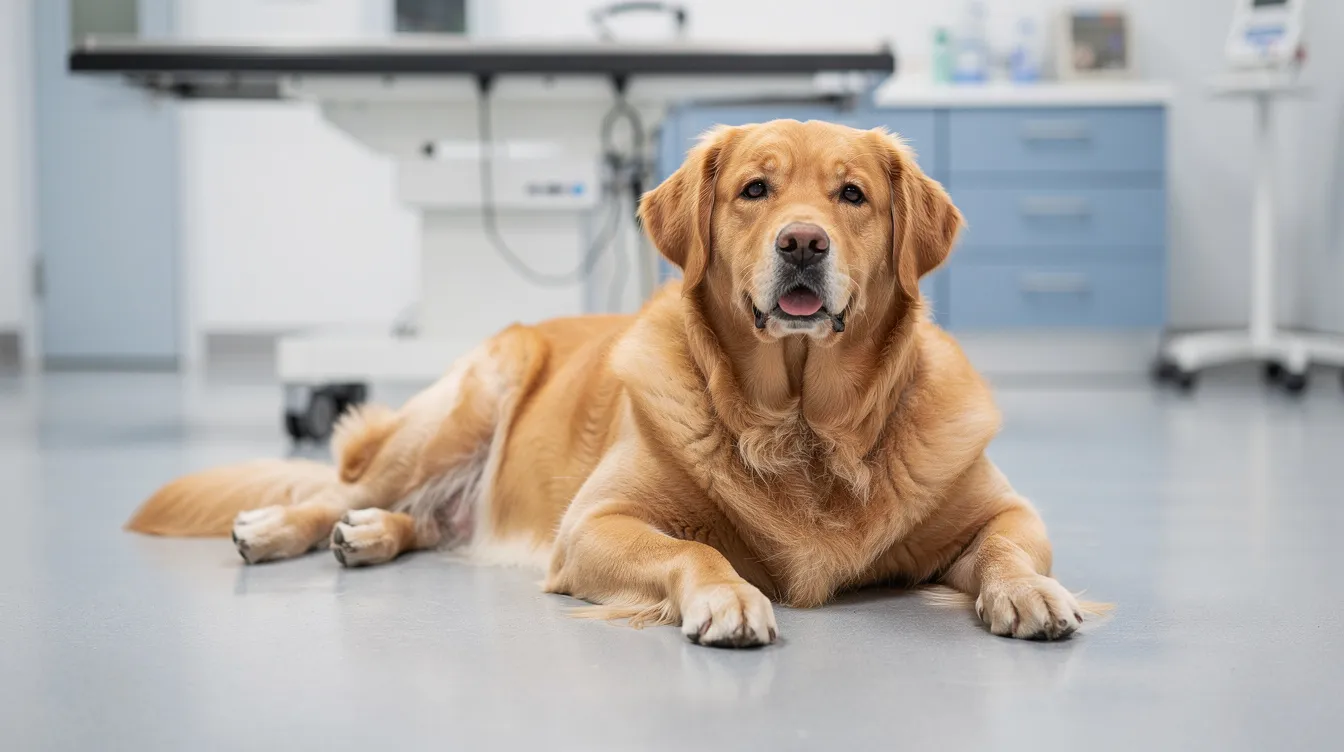
Hypothyroidism in dogs is a hormonal disease where the thyroid gland does not produce enough thyroid hormones, resulting in a reduced metabolic rate and clinical signs that can affect multiple body systems. Symptoms of hypothyroidism tend to develop gradually over weeks to months, which is why many pet parents don’t notice the changes right away.
Primary hypothyroidism is by far the most common form. It commonly occurs due to one of two underlying processes:
-
Lymphocytic thyroiditis: This is the most common cause of hypothyroidism. It is an immune-mediated condition in which the dog’s own immune system progressively destroys normal thyroid tissue.
-
Idiopathic thyroid gland atrophy: In this form, functional thyroid tissue is slowly replaced by fat and connective tissue. Together with lymphocytic thyroiditis, idiopathic thyroid gland atrophy accounts for over 90% of cases.
Hypothyroidism is one of the most frequently diagnosed endocrine disorders in first-opinion veterinary practice, particularly in middle-aged, medium and large breed dogs such as Golden Retrievers, Labrador Retrievers, and Doberman Pinschers. External factors, including certain medications and concurrent illnesses, may also contribute to hypothyroidism in dogs or mimic its presentation.
-
In rare cases, secondary hypothyroidism occurs when the pituitary gland fails to stimulate the thyroid properly. Thyroid cancer and congenital defects are uncommon but remain important differential diagnoses that your veterinarian will consider.
How Does Hypothyroidism Cause Unexplained Weight Gain in Dogs?
When thyroid hormone levels drop, the body’s metabolic rate falls with them. This means your dog burns fewer calories at rest and during normal activity. A caloric surplus can then lead to body fat accumulation even without any increase in food intake. Research using indirect calorimetry has shown that hypothyroid dogs have measurably lower resting energy expenditure compared to healthy dogs-and that this deficit corrects after treatment with levothyroxine.
Key mechanisms behind the extra pounds include:
-
Reduced energy expenditure: The body simply burns less fuel, so calories that were previously used are now stored as fat.
-
Slower fat mobilization: Thyroid hormone deficiency reduces the breakdown of stored fat (lipolysis), making it harder for dogs to lose weight.
-
Fluid retention: Mild fluid accumulation in tissues can contribute to apparent weight gain.
-
Decreased willingness to exercise: Lethargy and muscle weakness lower daily activity, further reducing caloric burn.
Many owners report that their dog is gaining weight despite no change-or even a reduction-in the amount of food provided and the same exercise schedule. Unexplained weight gain like this, or difficulty losing weight despite calorie control, should prompt a thyroid evaluation by your veterinarian.
That said, not every overweight dog has a thyroid problem. Lifestyle factors-excess calories, treats, reduced activity, osteoarthritis, and neuter status-are statistically more common causes of obesity. Hypothyroidism should be confirmed with appropriate diagnostic testing before it is labeled as the reason for a dog’s weight issues. Dogs with hypothyroidism may gain weight despite regular exercise, but this pattern alone is not enough for a definitive diagnosis.
When weight loss is needed, it should be supervised by a veterinarian, generally aiming for about 1–2% of body weight per week, as recommended by AAHA weight management guidelines.
What Are the Typical Signs of Hypothyroidism in Dogs (Beyond Weight Gain)?
The clinical signs of hypothyroidism can be subtle at first. They develop gradually over months and often resemble the normal slowing that comes with aging, which frequently delays diagnosis. Because thyroid hormones influence virtually every organ, a dog’s symptoms can be wide-ranging.
Common signs of hypothyroidism include:
-
Lethargy, mental dullness, and reduced interest in play
-
Exercise intolerance-tiring quickly on walks or refusing to go far
-
Seeking warmth or cold intolerance (hypothyroid dogs may seek warm places due to cold intolerance)
-
Skin and coat abnormalities: dry, dull coat; symmetrical hair loss on the trunk, flanks, and tail (the classic “rat tail” appearance)
-
Recurrent skin infections and ear infections
-
Thickened, darkened, or “puffy” skin, sometimes giving a so-called “tragic” facial expression
-
Unexplained weight gain, as discussed above
Less common but important signs include:
-
Elevated lipids in the blood (hyperlipidemia), often discovered on routine bloodwork
-
Slow heart rate (bradycardia)
-
Fertility problems in intact dogs
-
Constipation
-
In severe cases, neurologic signs such as hind-limb weakness, facial nerve paralysis, or seizures
Many of these symptoms are nonspecific and overlap with other health conditions such as Cushing’s disease, chronic joint pain, or heart disease. An overweight or “lazy” dog with thinning hair should not be assumed to have dogs hypothyroidism without proper veterinary evaluation. Confirmation with blood testing is always necessary before starting treatment.
Which Dogs Are Most at Risk of Hypothyroidism and Weight Gain?
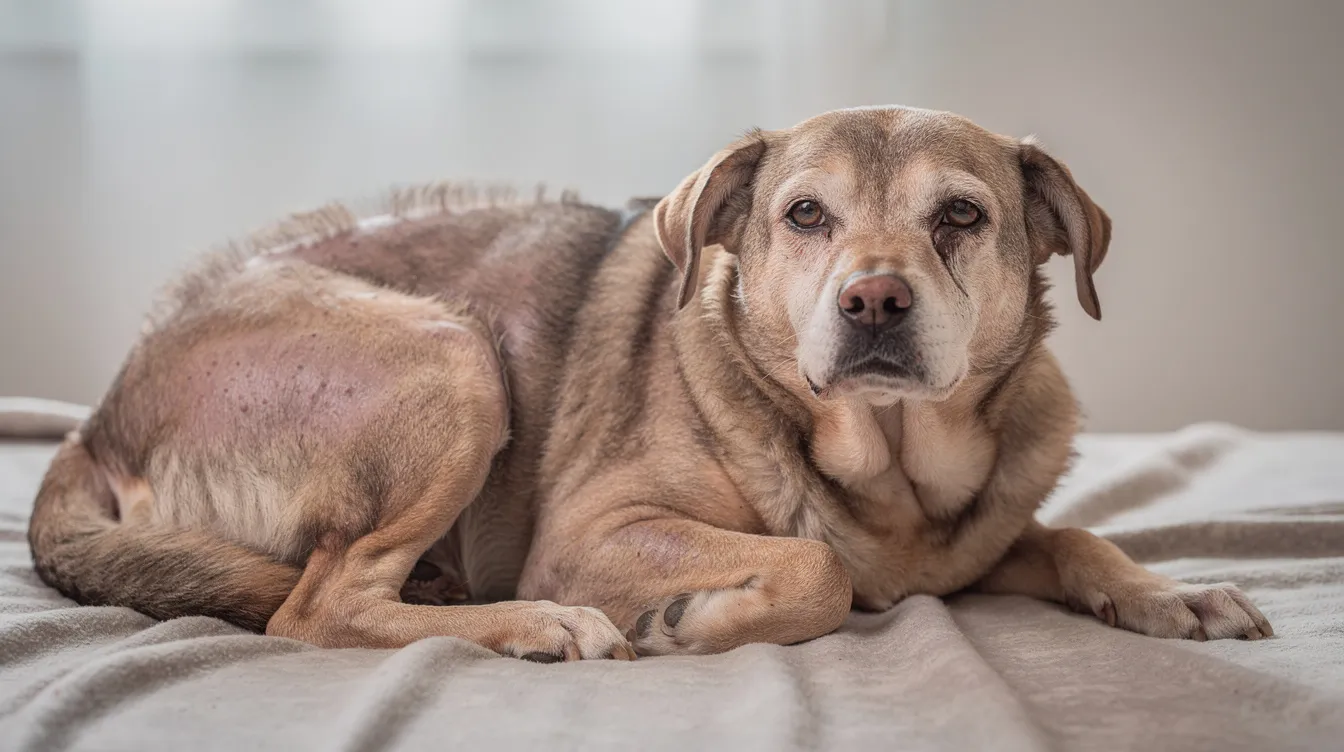
Hypothyroidism is more common in middle-aged to older dogs, with most studies reporting an average age at diagnosis around 6–7 years. It is seen most often in medium to large breed dogs, though any breed can be affected.
-
Breeds with recognized predisposition: Golden Retriever, Labrador Retriever, Doberman Pinscher, Boxer, Cocker Spaniel, Irish Setter, German Shepherd, and mixed-breed dogs of similar size. One study of symptomatic dogs found Golden Retrievers made up approximately 21% of confirmed hypothyroid cases.
-
Sex and neuter status: Both male and female dogs are affected, though some epidemiologic studies report a higher prevalence in neutered males and spayed females. Males and females are not always equally affected, but causation has not been fully established.
-
Body condition at diagnosis: Some dogs are already overweight or obese when hypothyroidism is diagnosed, which can mask progressive muscle loss under excess fat and make it harder for owners to notice gradual weight gain.
Middle aged dogs of predisposed breeds who begin gaining weight without an obvious dietary change deserve particular attention, but older dogs and small breeds are not immune.
How Is Hypothyroidism Diagnosed in Dogs That Are Gaining Weight?
Hypothyroidism diagnosed correctly relies on a combination of clinical signs, a thorough physical examination, and targeted blood tests-not a single screening number. Veterinarians use a combination of thyroid tests and clinical signs to diagnose hypothyroidism accurately.
Key diagnostic steps include:
-
Baseline bloodwork: A complete blood count (CBC), chemistry panel (checking for high cholesterol and triglycerides), and urinalysis help identify patterns consistent with hypothyroidism and rule out other health issues.
-
Thyroid-specific tests: These include total T4 (TT4), free T4 (ideally by equilibrium dialysis), and canine TSH. A low total thyroxine (TT4) level suggests hypothyroidism, but it is not conclusive on its own. A thyroid profile blood test-combining TT4, free T4, and TSH-confirms or rules out hypothyroidism with much greater reliability. Multiple blood tests may be needed for an accurate diagnosis.
-
Thyroglobulin autoantibodies (TgAA): These can indicate immune-mediated thyroiditis and help when results are borderline.
-
Diagnostic imaging: May be used to rule out other conditions such as thyroid cancer or pituitary gland abnormalities, particularly in atypical presentations.
Important caveats for pet parents:
-
Some non-thyroidal illnesses (chronic infections, kidney or liver disease) and drugs like glucocorticoids, phenobarbital, and sulfonamides can lower thyroid hormone levels without true hypothyroidism-a phenomenon called “euthyroid sick syndrome.” Regular blood tests interpreted in clinical context are essential.
-
Sighthounds (Greyhounds, Whippets) and some sled dog breeds naturally run lower TT4 values, which can look abnormal but may be perfectly normal for that dog.
-
Owners should avoid giving over-the-counter “thyroid support” supplements before testing, as these can distort results and delay an accurate diagnosis.
What Is the Treatment for Hypothyroidism in Dogs, and How Does It Affect Weight?
Levothyroxine is the primary treatment for canine hypothyroidism. This synthetic thyroid hormone replaces what the dog’s thyroid gland can no longer produce. It is dosed on a per-pound (per-kilogram) basis and prescribed by the veterinarian. Dogs require lifelong treatment with thyroid hormone replacement therapy; hypothyroidism is managed, not cured.
-
Levothyroxine is usually given once or twice daily. Doses are adjusted after follow-up blood tests performed 4–8 weeks after starting therapy, with the thyroid level typically checked about 4–6 hours after the pill.
-
Once a stable dose is reached, regular blood tests are needed to monitor thyroid hormone levels-generally every 6–12 months, or sooner if a dog’s symptoms change.
Timeline of response:
|
Improvement |
Typical Timeframe |
|---|---|
|
Energy and alertness |
Within a few weeks |
|
Appetite normalization |
2–4 weeks |
|
Skin and coat quality |
3–6 months |
|
Hair regrowth (e.g., tail) |
At least four months |
|
Weight normalization |
Gradual, requires diet plan |
Improvement in activity levels is usually seen within weeks of treatment, which is often the first change owners notice. Weight loss occurs after starting treatment for hypothyroidism, but hormone replacement therapy alone will not automatically make an overweight dog slim. A deliberate calorie-restricted diet and increased activity are still needed for most dogs to lose weight effectively.
Caution: overdose of levothyroxine can cause signs of hyperthyroidism-restlessness, panting, increased thirst and urination, and weight loss despite increased appetite. If these occur, prompt veterinary reassessment of dosage is essential.
How Should Diet Be Managed for Dogs with Hypothyroidism and Excess Weight?
Most dogs treated for hypothyroidism still need a structured weight-management plan, even once their thyroid hormone levels are back to normal. Correcting thyroid function alone does not erase the extra pounds that have already accumulated. A dog’s diet is a critical piece of the puzzle.
Practical dietary points:
-
Work with your veterinary surgeon to calculate a calorie allowance based on your dog’s ideal weight in pounds (and kilograms). This is typically derived from the resting energy requirement for the ideal body weight, then adjusted downward for weight loss.
-
Choose a complete and balanced diet-often a veterinary therapeutic weight-management formula with adjusted protein, fiber, and fat-to preserve lean muscle while promoting fat loss.
-
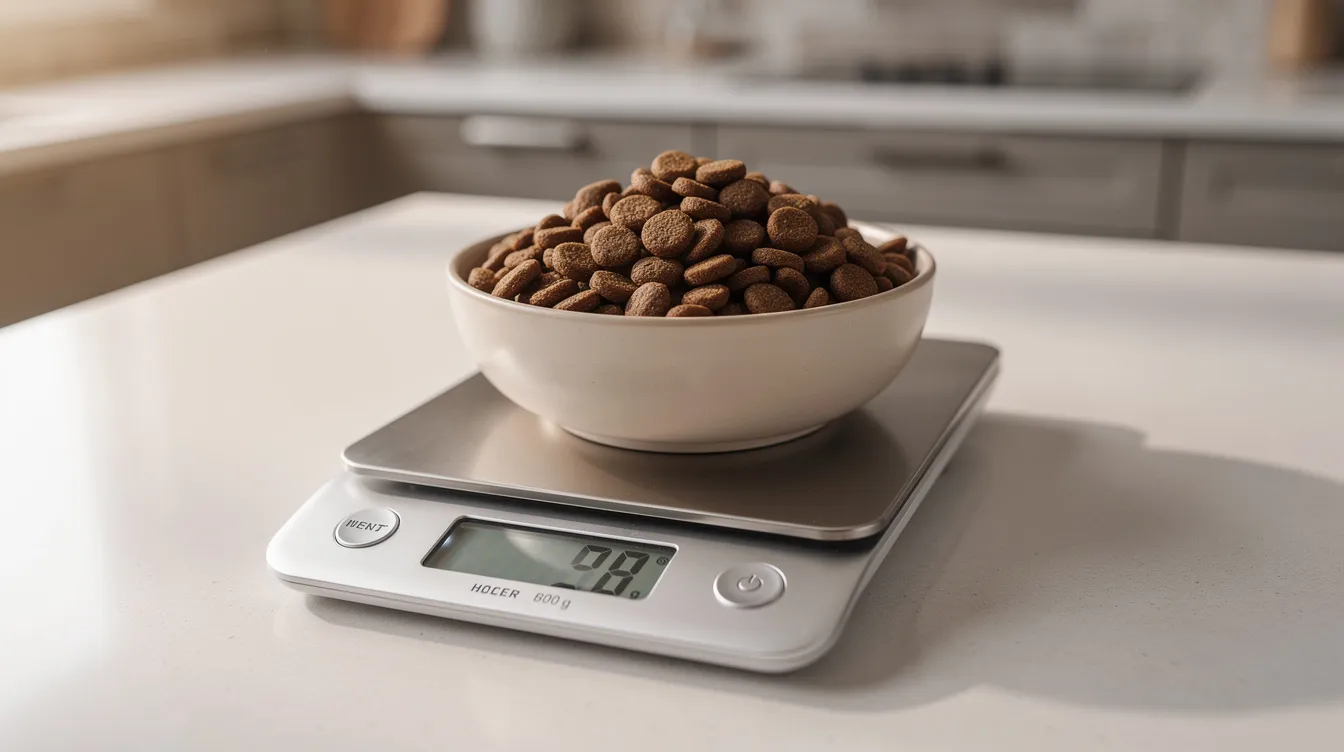
Measure all food accurately using grams or a digital scale rather than volume cups, which can be imprecise.
Treats: Limit treats to no more than about 10% of daily calories. Low-energy options such as small amounts of plain vegetables (green beans, carrot sticks) work well. Avoid high-fat table scraps, cheese, and processed meat.
Some dogs with hypothyroidism may also have high blood cholesterol or concurrent conditions like pancreatitis or osteoarthritis, so the diet chosen should reflect all medical needs. Weight-loss progress should be checked regularly at the clinic, aiming for a safe loss of around 1–2% of current body weight per week, with adjustments to food amount made if the dog’s weight is not changing as planned.
What Role Does Exercise Play for Dogs Treated for Hypothyroidism?
Once dogs treated with levothyroxine have been cleared by their veterinarian, increasing physical activity becomes a key tool for managing body weight and improving quality of a dog’s life. Many hypothyroid dogs that were previously lethargic find renewed energy within a few weeks of starting therapy.
-
Start slowly: If the dog has been very sedentary, begin with short, gentle walks and increase duration and frequency gradually over several weeks.
-
Avoid sudden intensity: Sudden, vigorous activity can strain joints or the cardiovascular system, especially in dogs with existing joint disease or heart conditions.
-
Low-impact options: Controlled leash walks on level ground, swimming or underwater treadmill sessions (where available), and interactive play like gentle fetch or scent games encourage movement without excessive jumping.
-
Watch for warning signs: Improved energy after hormone replacement may tempt overexertion. Watch for signs of fatigue, lameness, coughing, or excessive panting, and adjust activity accordingly.
Any new exercise regimen should be discussed with your dog’s own veterinary surgeon, particularly for dogs diagnosed with other health conditions such as osteoarthritis, heart disease, or respiratory problems.
How Does the ROYAL CANIN Weight Management Clinic Approach Dogs with Hypothyroidism and Obesity?
The ROYAL CANIN Weight Management Clinic at the University of Liverpool Small Animal Teaching Hospital is a specialist veterinary referral service for overweight and obese cats and dogs, including many dogs with hypothyroidism.
Core elements of the clinic’s approach include:
-
Comprehensive assessment: Full medical history, body condition scoring, muscle condition scoring, and detailed review of current diet and activity.
-
Stabilization first: Confirmation and stabilization of hypothyroidism diagnosed by the referring veterinarian. The clinic typically waits until thyroid hormone levels are controlled before finalizing the calorie target, to avoid over- or underestimating metabolic needs.
-
Individualized planning: A tailored nutrition and exercise plan designed around the pet’s condition, accounting for breed, age, concurrent health issues, and owner lifestyle.
Follow-up visits or remote check-ins monitor body weight, body condition, and any ongoing symptoms of hypothyroidism. Both the levothyroxine dose (in collaboration with the primary vet) and nutrition plan are adjusted as needed to sustain a weight-loss rate of around 1–2% per week.
While this article is written from the clinic’s perspective, owners in the US should work closely with their own veterinary team or a board-certified veterinary nutritionist to apply the same principles locally.
When Should I See My Veterinarian If My Dog Is Gaining Weight?
Any persistent or rapid weight gain-especially unexplained weight gain without increased food or reduced exercise-warrants a veterinary visit. Early detection of thyroid problems (and other health conditions) leads to better outcomes and a better quality of a dog’s life.
Specific triggers for scheduling an appointment include:
-
Visible weight gain over a few weeks to months
-
Difficulty feeling your dog’s ribs under a layer of fat
-
Needing to loosen the collar or harness
-
New lethargy or exercise intolerance
-
Changes in coat, skin infections, or ear infections
-
Behavioral changes such as irritability or seeking warmth
Do not attempt strict calorie restriction, very rapid weight loss, or over-the-counter thyroid supplements without veterinary guidance. These can be unsafe and may mask underlying disease. Weight-loss plans should be supervised medically, with safe progress typically around 1–2% of body weight per week.
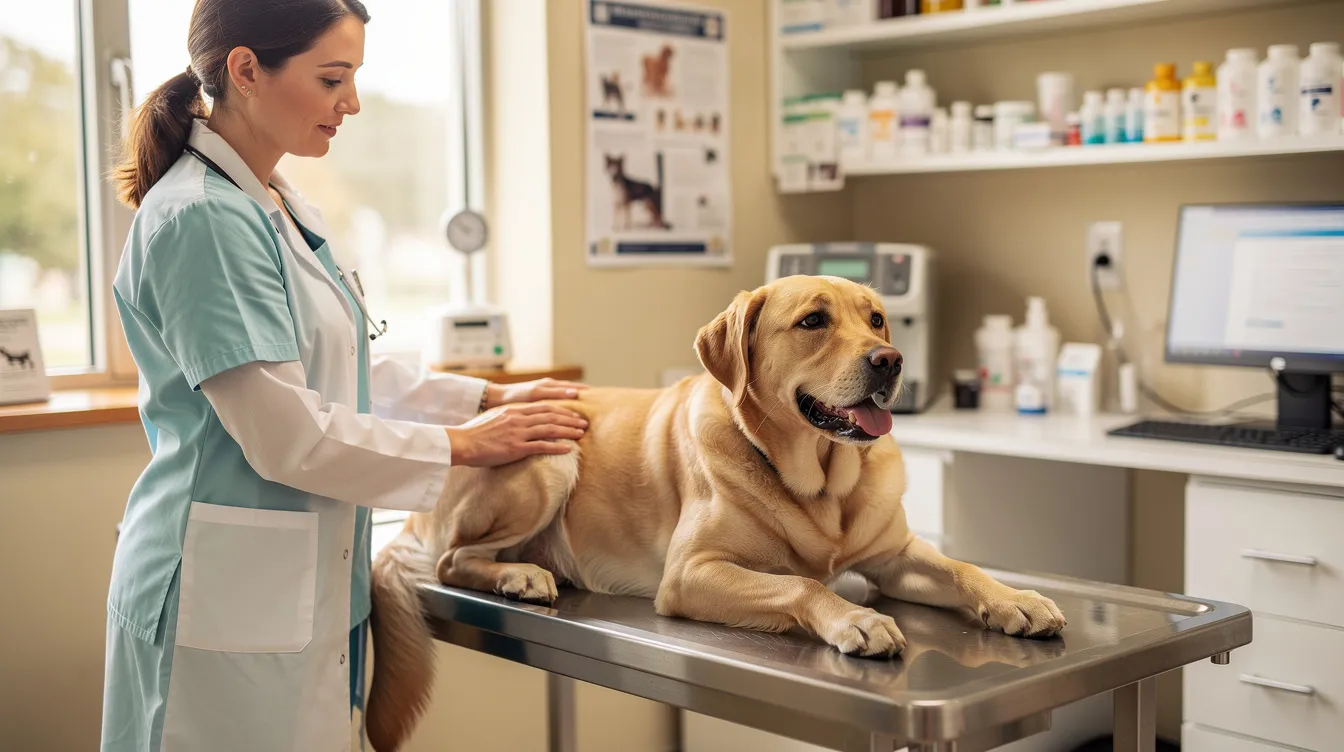
Routine wellness exams-including regular weighing and body-condition scoring-are valuable for picking up subtle changes early, before obesity and associated health issues become severe. If enough hormones are not being produced by the thyroid gland, your veterinarian can identify the problem and ensure your dog’s thyroid hormones are brought back to appropriate levels so the body can function properly again.
Frequently Asked Questions
Can my dog be overweight without having hypothyroidism?
Yes. Most overweight and obese dogs do not have hypothyroidism. Excess caloric intake, limited exercise, age-related metabolic slowing, and changes in energy requirements after spaying or neutering are far more common reasons for weight gain. Hypothyroidism should only be diagnosed through proper veterinary evaluation, not assumed based on weight alone.
Will starting thyroid medication make my dog lose weight automatically?
No. Levothyroxine corrects low thyroid hormone levels and normalizes metabolic rate, but weight loss usually requires a deliberate calorie-restricted diet and increased activity planned with a veterinarian. Medication alone rarely causes significant fat loss. Enough thyroid hormones must be circulating for the body to burn calories at a normal rate, but a structured plan is still needed.
How long will my dog need to stay on thyroid hormone replacement therapy?
For primary hypothyroidism, hormone replacement therapy is typically lifelong. Stopping medication usually leads to the return of clinical signs-including lethargy, hair loss, and weight gain-so treatment is continued and monitored indefinitely with regular blood tests. Most dogs do very well on long-term therapy, and the medication is generally safe and well-tolerated.
Can I use a home thyroid test kit or online calculator to check my dog's thyroid levels?
No. Accurate diagnosis and monitoring of hypothyroidism require properly handled blood samples, appropriate laboratory assays (such as free T4 by equilibrium dialysis), and professional interpretation that accounts for breed, age, medications, and concurrent illness. Home test kits and online calculators are not reliable and may delay an accurate diagnosis. Work from research institutions such as Washington State University has helped refine reference ranges, but interpretation still belongs with your veterinarian.
Is it dangerous for my dog to lose weight too quickly if they have hypothyroidism?
Overly rapid weight loss can be risky for any dog. It may lead to loss of lean muscle, nutrient imbalances, and reduced quality of life. Even in a hypothyroid dog, a controlled target of about 1–2% of body-weight loss per week under veterinary supervision is recommended. Your veterinarian will adjust the plan if weight is dropping too fast or too slowly.
References
- Peterson ME. Hypothyroidism in dogs: Clinical features and diagnosis. Journal of Veterinary Internal Medicine . 2013;27(4):599–608.
- Dixon RM, Mooney CT. Evaluation of serum free thyroxine and thyrotropin concentrations in the diagnosis of canine hypothyroidism. Journal of Small Animal Practice . 1999;40(2):72–78.
- Daminet S, Ferguson DC, et al. Diagnosis of spontaneous canine hypothyroidism: 2012 ACVIM consensus statement. Journal of Veterinary Internal Medicine . 2012;26(6):1209–1230.
- German AJ. Obesity in companion animals: What is happening and what can we do? Journal of Veterinary Internal Medicine . 2010;24(1):3–17.
- Brooks D, Churchill J, Fein K, et al. 2014 AAHA Weight Management Guidelines for Dogs and Cats. Journal of the American Animal Hospital Association . 2014;50(1):1–11.
- Freeman LM, Becvarova I, Cave NJ, et al. WSAVA Global Nutrition Committee Guidelines. Journal of Small Animal Practice . 2011;52(7):385–396.
- German AJ, Holden SL, et al. Dietary energy restriction and successful weight loss in obese client-owned dogs. Journal of Veterinary Internal Medicine . 2007;21(6):1174–1180.
- University of Liverpool, School of Veterinary Science. Research on obesity and metabolic disease in companion animals (summary of ongoing and published work relevant to hypothyroidism and weight management in dogs).

Georgia Woods
RVN — ROYAL CANIN® Weight Management Clinic Nurse
Georgia Woods trained as a Veterinary Nurse in 2001 and qualified in 2004, going on to run nurse-led obesity clinics and work in emergency and critical care. She completed the ROYAL CANIN® Pet Health Councillor course, and since 2015 has been the ROYAL CANIN® Weight Management Clinic Nurse at the University of Liverpool Small Animal Teaching Hospital, where she works exclusively with obese pets.
This article is for general information only and is not a substitute for professional veterinary advice. Always consult your veterinary surgeon about the health of your pet.