Why Is My Dog Always Hungry?
Medically reviewed by Dr. Alex German, BVSc PhD CertSAM DipECVIM-CA — Reader in Small Animal Medicine, University of Liverpool
Key Takeaways
- Many dogs appear hungry all the time simply because they are opportunistic eaters, and some breeds (such as Labrador Retrievers) are genetically predisposed to not register fullness correctly. This can be normal, but a sudden increase in appetite often signals an underlying medical or behavioral issue.
- Increased appetite combined with weight loss, increased thirst and urination, vomiting, diarrhea, or a change in your dog's behavior needs prompt veterinary attention, ideally within a few days. A sudden, dramatic increase in appetite is more likely a medical problem (such as diabetes mellitus, Cushing's disease, or intestinal parasites) than a behavioral one.
- Treatment depends on the underlying cause. Some conditions require medication or special diets; others call for training adjustments and routine changes to manage a dog's appetite. Behavioral issues, such as begging, can often be managed by feeding smaller portions more frequently and adjusting household habits.
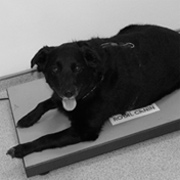
- The ROYAL CANIN Weight Management Clinic at the University of Liverpool specializes in helping overweight pets lose weight safely under veterinary supervision, targeting about 1;2% of body weight per week.
- Do not change your dog's diet, exercise routine, or medications without first speaking to your own veterinarian.
Most dogs are enthusiastic eaters. But if your dog’s appetite has ramped up noticeably, or if your pet never seems satisfied no matter how much they eat, the cause could range from normal breed-related food motivation all the way to a treatable medical condition. This article covers the main reasons behind constant hunger in dogs, what to watch for, and when to call your vet.
Is It Normal That My Dog Always Seems Hungry?
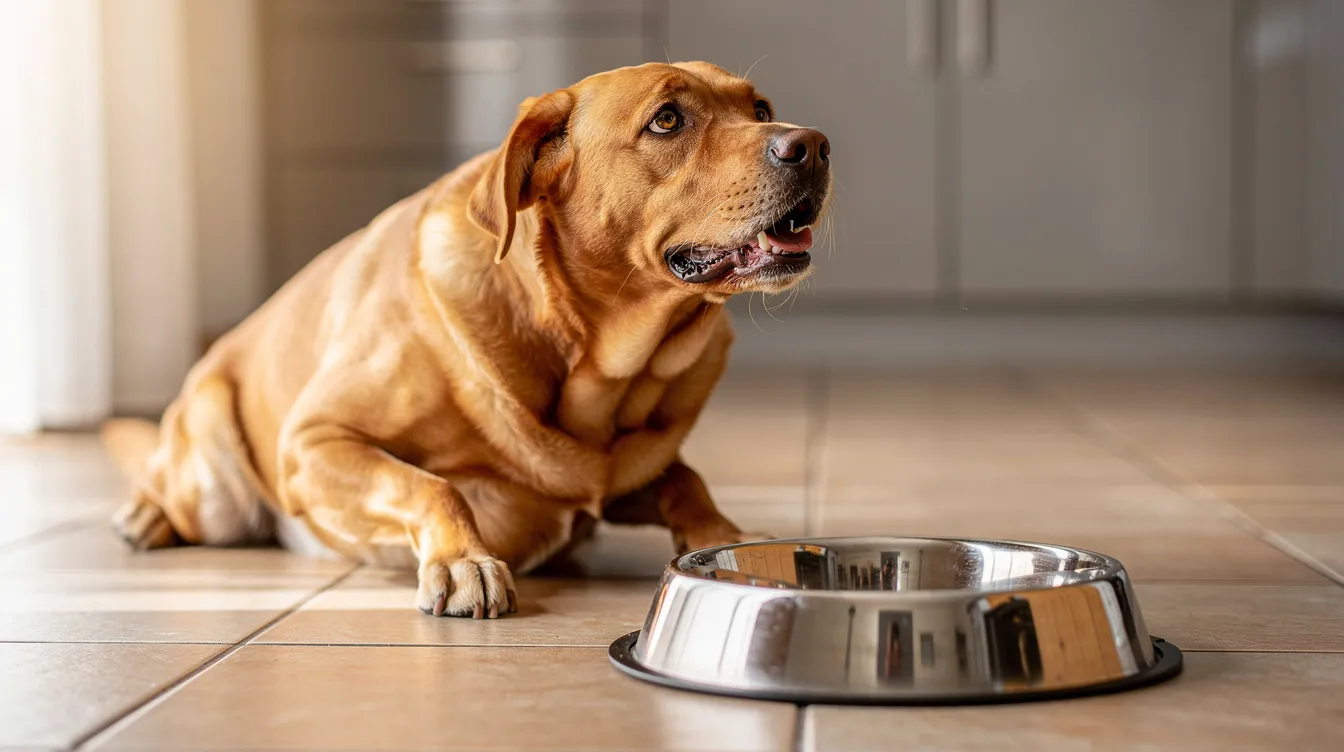
Many healthy dogs appear “food-obsessed.” Breeds selected for working stamina and food motivation, including Labradors, Beagles, and spaniels, are especially prone. Dogs with certain genetics, such as Labrador Retrievers, may not register fullness correctly due to a variant in the POMC gene. Most dogs eat whenever food is offered because they evolved as opportunistic feeders; most dogs overeat if given free access to food.
Normal food interest looks like eating meals quickly, occasional begging for food, and excitement at treat time. Abnormal signs include a sudden increased appetite, stealing food, eating non food items, or nighttime restlessness focused on food. Competition among pets can also lead to frantic eating behaviors in multi-pet households, where one dog asks for more food simply because another dog is nearby.
Run through this quick checklist if you are concerned:
-
Has the portion size or feeding schedule recently changed?
-
Have you recently changed to a new food brand or type?
-
Is there any weight loss or gain?
-
Are there changes in thirst, urination, stools, or vomiting?
Schedule a vet visit within one to two weeks if your dog’s appetite has clearly increased but your pet otherwise seems well. If there are other symptoms, book sooner (24 to 48 hours). At the ROYAL CANIN Weight Management Clinic, many referrals arrive with a history of “always hungry,” and detailed assessment usually finds a mix of medical and behavioral factors driving the dog’s appetite.
Medical Causes: What Diseases Make Dogs Eat More?
Polyphagia is the medical term for excessive constant hunger in dogs. Several endocrine, digestive, and systemic diseases can increase a dog’s appetite, sometimes even while the dog is losing weight.
Vets often see a combination of signs: weight loss despite eating more food, increased thirst and urination, changes in coat or skin, and altered behavior. These patterns help narrow down the disease. Standard work-ups start with blood tests (including a complete blood count and biochemistry profile), urinalysis, and fecal tests, with more advanced diagnostics like imaging or hormone testing added when needed.
Early diagnosis in many of these conditions allows good long-term management. The subsections below cover the most common culprits.
Diabetes mellitus
Diabetes mellitus is a condition where the pancreas does not produce enough insulin or the body cannot use it properly. Cells “starve” despite plenty of circulating glucose, causing increased appetite alongside weight loss. Diabetes mellitus can cause increased appetite in dogs of any breed, though certain breeds (Yorkshire Terriers, Bichon Frise, Border Terriers) carry higher risk.
Classic signs owners notice:
-
Increased appetite with weight loss
-
Increased thirst and frequent urination
-
Lethargy or recurrent urinary infections, typically in middle-aged to older dogs
Diagnosis relies on blood work and urine tests showing persistently high glucose. Vets may repeat tests to confirm the pattern rather than reacting to a single stress-related spike. Diabetes mellitus may require daily insulin injections, typically given twice daily and timed with meals. Appetite often normalizes once blood sugar is controlled. Weight management in diabetic dogs must be supervised by a veterinarian, aiming for around 1 to 2% body weight loss per week if the dog is overweight.
Cushing’s disease (hyperadrenocorticism)
Cushing’s disease results from long-term overproduction of cortisol, most often due to a benign pituitary tumor (about 80 to 85% of cases). Cushing’s disease leads to increased appetite in dogs, along with a cluster of other signs.
Beyond hunger, watch for:
-
Increased thirst and urination
-
A pot-bellied appearance
-
Hair loss or thin skin
-
Panting, especially in middle-aged and older dogs
Prevalence data from a study of over 21,000 dogs found Cushing’s in about 0.20% of private-clinic patients, with a mean age of 9.8 years among affected dogs. Diagnosis usually requires an ACTH stimulation test or low-dose dexamethasone suppression test, sometimes supported by an abdominal ultrasound. Increased thirst and frequent urination are common symptoms in both diabetes and Cushing’s disease, so vets use these specific hormone tests to distinguish between them.
Cushing’s disease treatment involves lifelong medication to control cortisol (such as trilostane), with regular blood testing to monitor levels. As cortisol normalizes, the dog’s excessive hunger typically decreases. Owners should not restrict food severely in untreated Cushing’s disease without veterinary guidance; the underlying hormonal imbalance must be managed first.
Intestinal parasites
Intestinal worms can cause increased hunger while robbing the dog of nutrients. Roundworms, hookworms, whipworms, and tapeworms compete for ingested food, damage the intestinal lining, and trigger inflammation. A survey of 3,006 dogs at U.S. dog parks found that about 20.7% of fecal samples contained at least one intestinal parasite, with higher rates in dogs under one year old.
Signs owners might see:
-
Increased appetite with weight loss or failure to gain weight
-
Dull coat and pot-bellied appearance (especially in young dogs)
-
Vomiting or diarrhea
Intestinal parasites cause dogs to feel hungrier because nutrient absorption is compromised. Bring a fresh stool sample to the veterinary clinic for fecal flotation testing, since many parasites are not visible to the naked eye. Infections or parasites are treated with medication or deworming, and routine year-round parasite prevention greatly reduces the risk of intestinal parasitism. Persistent or severe parasite burdens contribute to malnutrition and make weight management much more difficult if left untreated.
Digestive and malabsorption disorders
Conditions like exocrine pancreatic insufficiency (EPI) and inflammatory bowel disease prevent dogs from digesting or absorbing nutrients properly. Exocrine pancreatic insufficiency prevents nutrient absorption while leading to voracious appetite. In a study of 34 dogs diagnosed with EPI, about 20% had polyphagia, 70% had weight loss, and 79% had diarrhea.
Typical signs include:
-
Large volumes of soft or greasy stools
-
Flatulence and sometimes coprophagia (eating feces)
-
Increased appetite with ongoing weight loss
Digestive issues may lead to increased appetite in dogs because the body simply is not getting what it needs from food. Diagnosis may involve specific blood tests (trypsin-like immunoreactivity for EPI), vitamin B12 and folate levels, and sometimes intestinal biopsies via endoscopy. Exocrine pancreatic insufficiency requires dietary changes and medications, typically pancreatic enzyme supplements and a highly digestible diet. With appropriate treatment, appetite becomes more normal over several weeks.
Could My Dog’s Medications Be Increasing Their Appetite?
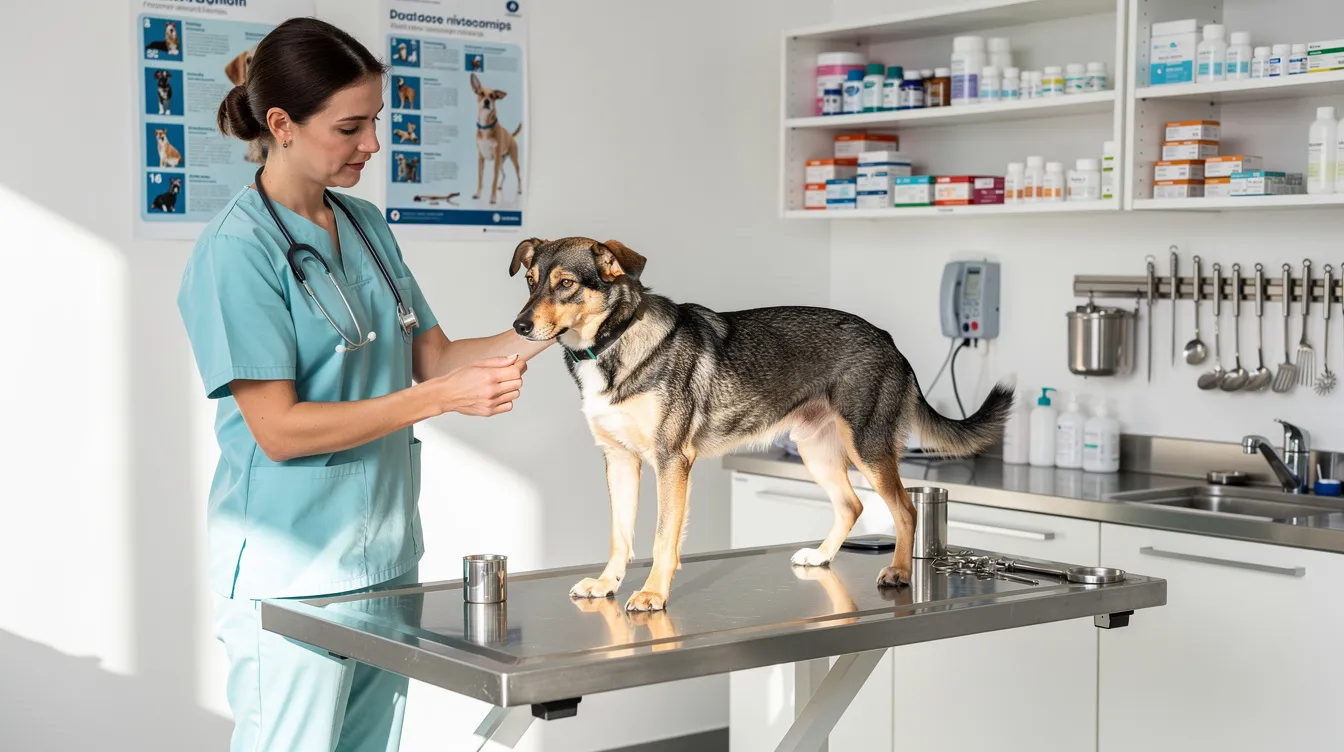
Certain medications can increase a dog’s appetite, especially steroids. Corticosteroids like prednisone are among the most common culprits; dogs may become noticeably hungrier within days of starting treatment. This side effect is expected and dose-related.
Watch for these typical side effects alongside increased appetite:
-
Increased drinking and urination
-
Panting
-
Restlessness
Never adjust doses or stop medication abruptly on your own. Conditions such as allergies or immune-mediated diseases can flare if drugs are changed without medical supervision. Practical strategies for managing steroid-related hunger include feeding measured low-calorie snacks (carrot sticks, green beans) and dividing the daily ration into several small meals while still meeting the total calorie target set by the veterinarian.
At the ROYAL CANIN Weight Management Clinic, clinicians routinely factor medication-related appetite changes into individualized weight-loss plans, keeping dogs comfortable while still on track.
Learned Behavior: Is My Dog Really Hungry or Just Begging for Food?
Dogs may beg for food due to learned behavior. When dogs beg and humans respond with a tasty treat or table scraps, the behavior strengthens because the dog learns that begging for food works. Learned behavior, such as begging, can result from extra treats given by owners, and it builds gradually from occasional rewards like sharing leftovers at the dinner table or tossing a tasty snack from the couch.
The difference between true hunger and habitual dog begging: true hunger is associated with weight loss, lean appearance, and sometimes scavenging. Habitual begging shows up as stable or increasing weight, with the dog’s appetite between meals otherwise normal.
Management tips:
-
Feed measured meals on a consistent schedule. Feeding dogs before your meals can prevent begging.
-
Avoid feeding from the dinner table. Using baby gates can limit dogs’ access to a separate room during meals.
-
Ignore begging behavior; ignoring begging helps reduce it over time.
-
Use puzzle feeders so dogs eat more slowly.
-
Consistency in training is crucial to stop begging behavior. Every family member must follow the same rule.
If dog begging is severe or linked with anxiety or food guarding, consider working with a qualified reward-based trainer or veterinary behaviorist.

Stress, Anxiety, and Other Emotional Factors
Anxiety or stress can trigger increased appetite in dogs. Environmental changes (moving house, a new baby, loss of a companion animal) can alter a dog’s behavior around food. Boredom or under-stimulation can cause dogs to eat out of boredom, seeking food as a form of comfort or distraction.
Some dogs eat less under stress; other dogs eat more. Increased appetite may appear alongside pacing, barking, clinginess, or destructive behavior. Practical suggestions:
-
Maintain consistent routines and predictable mealtimes
-
Add enrichment activities like scent games, training sessions, and chew toys
-
Ensure adequate physical exercise for the dog’s age and health
-
Record short videos of concerning behavior at home to show the veterinarian, since many stress-related signs are not visible during a physical exam
In some cases, vets may recommend behavior modification, pheromone products, or prescription medication for anxious dogs whose eating habits are strongly influenced by stress.
Does Age Change a Dog’s Appetite?
Dogs’ appetites can change as they age. Puppies, adults, and seniors use energy differently, and these life-stage shifts affect how hungry a dog seems.
Increased appetite is normal for growing puppies and nursing females. Puppies and adolescent dogs may appear constantly hungry because they are growing rapidly and need more calories per pound (per kilogram) than adults. Overfeeding puppies still risks excessive weight gain and joint problems, especially in large breeds. A puppy that is not gaining weight despite seeming always hungry should see a vet promptly.
As dogs age, their energy requirements shift. Some older dog patients eat less due to dental pain, reduced sense of smell, or chronic illness. Others show increased appetite due to conditions like diabetes mellitus, Cushing’s disease, chronic pain, or cognitive decline. These changes should not be dismissed as “just the aging process.” Senior dogs often benefit from energy-controlled but nutrient-dense diets that maintain lean muscle without excess calories.
If your older dog is suddenly hungrier than usual, arrange a veterinary check-up including blood work and urinalysis to look for age-related disease affecting the dog’s appetite.
Diet, Portion Sizes, and Satiety: Are You Feeding the Right Way?
Even without disease, a dog can seem always hungry if portion sizes are too small for their size and activity, or if the diet does not help them feel full. Low-quality food with empty fillers can lead to constant hunger in dogs. Inadequate diet quality can leave dogs feeling unsatisfied even after eating a full meal.
Feeding guidelines on bags are only starting points. They may under- or overestimate individual needs. Adjust the amount so the dog’s body condition stays lean but not underweight. Higher-protein, higher-fiber, and carefully balanced fat levels can help some dogs feel fuller for longer. Research in Beagles found that a high-fiber diet (about 20% crude fiber) led to roughly 27% fewer calories consumed compared to a low-fiber diet when dogs were allowed to eat freely.
Practical steps:
-
Weigh food with a kitchen scale instead of using cups
-
Record treats given by all family members, including any human food, in the daily calorie total
-
Track food intake and monitor body condition to identify appetite issues early
-
If you have recently changed to a new food, allow two to three weeks for adjustment before judging whether it makes sense for your dog
At the ROYAL CANIN Weight Management Clinic, individualized feeding plans are built around each dog’s starting weight, target weight, lifestyle, and medical history, with careful weekly or biweekly monitoring.

Why an “Always Hungry” Dog Can Be at Risk of Weight Gain
Constantly feeding extra snacks or increasing meal sizes in response to begging can quickly push a dog above their calorie needs. Even 10 to 20% above ideal body weight increases joint load and makes daily activities harder, particularly in large breed and older dogs.
Health consequences of excess weight include:
-
Increased risk of osteoarthritis and reduced mobility
-
Breathing difficulties
-
Reduced quality of life and shorter lifespan
Body weight changes coupled with increased appetite can indicate health issues, but they can also result from simply feeding too much. Safe, effective weight loss should be planned with a veterinarian, targeting about 1 to 2% of body weight per week. Drastic food restriction is not the answer; a specific diet with precise portion control is safer.
Monitoring tools such as regular weigh-ins, body condition scoring, and photo comparisons over time help owners see progress and stay motivated in managing their pet’s health and a healthy weight.
When Should I See the Vet About My Dog’s Appetite?
A sudden change in appetite, whether your dog is suddenly hungrier or refusing food, warrants investigation. A sudden increase in appetite may indicate health issues that need prompt attention.
Red flag signs that need a vet visit:
-
Sudden increased appetite with weight loss or rapid weight gain
-
Increased thirst and urination
-
Vomiting, diarrhea, lethargy, or other symptoms
-
Behavior changes (restlessness, aggression around food, eating non food items)
Timing guidance: same-day or emergency visit if your dog has increased appetite plus vomiting lasting more than 24 hours, severe diarrhea, weakness, or collapse. A routine appointment within one to two weeks is appropriate if appetite is up but the dog is otherwise stable.
Bring this information to your appointment:
-
Current diet and treat brands with exact amounts (in grams or ounces)
-
Feeding schedule and whether other dogs eat in the same area
-
Full medication list
-
Recent changes at home
Your vet may recommend baseline tests: complete blood count, biochemistry profile, urinalysis, and fecal testing for intestinal parasites. Additional diagnostics (cancer screening, hormone panels, imaging) may follow depending on other signs. Always consult your own veterinary surgeon before changing diet, exercise routines, or starting a weight-loss plan, especially in dogs with chronic disease or those on medication.
Frequently Asked Questions
Is my dog's constant hunger just normal behavior compared to other dogs?
Some individual dogs and certain breeds are naturally more food-motivated than other dogs and may seem hungry all the time, even when calorie intake is adequate. Judge "normal" by body condition and overall health, not by how eagerly a dog eats. If your dog maintains a healthy weight and has no other signs of illness, their enthusiasm for food may simply be part of their dog's behavior. Check with your vet if you are unsure about the right amount to feed.
Can I use slow feeders or puzzle toys for a dog with increased appetite?
Slow feeders, snuffle mats, and puzzle toys are generally safe and helpful for most dogs. They extend mealtime, encourage natural foraging, and can reduce begging for food between meals. Introduce them gradually and supervise dogs that chew plastic or eat very quickly. Total daily calories should still stay within the limits set by your veterinarian. Wait to see how your dog responds before adding complexity.
Should I change my dog's food if they always seem hungry?
Sudden diet changes can upset the stomach. Speak with your vet before switching foods, particularly if the dog has any medical condition or is on medication. For confirmed healthy but hungry dogs, vets may recommend a specific high-satiety or higher-fiber diet to help control the dog's appetite without depriving them of essential nutrients. Any transition to a new food should happen over seven to ten days by gradually mixing increasing amounts of the new diet with the old.
How fast is too fast for my dog to lose weight if we cut back food?
Weight loss should be around 1 to 2% of body weight per week under veterinary supervision. Faster loss risks muscle wasting, nutrient deficiencies, and rebound weight gain. If your dog is losing weight more quickly, or seems weak or lethargic, contact your veterinarian promptly to review the plan and adjust smaller portions or calorie targets.
Can an "always hungry" older dog still safely exercise more?
Many older dogs benefit from gentle, regular exercise alongside dietary changes. Any new exercise plan should be cleared with a veterinarian, especially if the dog has heart disease, arthritis, cancer, or other chronic conditions. Low-impact options include controlled leash walks, hydrotherapy, or short play sessions, adjusted according to your vet's advice and the dog's response. Even modest increases in activity can support the dog's health and help maintain lean muscle during a weight management program.
References
- WSAVA Global Nutrition Committee. WSAVA Global Nutrition Guidelines. Journal of Small Animal Practice . 2011.
- Association for Pet Obesity Prevention. 2022 Pet Obesity Prevalence Survey Results. Association for Pet Obesity Prevention, 2023.
- Freeman LM et al. AAHA Weight Management Guidelines for Dogs and Cats. Journal of the American Animal Hospital Association . 2014.
- German AJ. Obesity in companion animals: what is happening and what can be done? Journal of Veterinary Internal Medicine . 2016.
- Hall JA et al. Satiety and energy intake in dogs fed high-fiber, high-protein dry diets. Journal of Animal Physiology and Animal Nutrition . 2011.
- Catchpole B et al. Canine diabetes mellitus: risk factors, pathogenesis, and management. Journal of Small Animal Practice . 2005.
- Behrend EN et al. Diagnosis of spontaneous canine hyperadrenocorticism. Journal of Veterinary Internal Medicine . 2013.
- Hall EJ & German AJ. Malabsorption in the dog. BSAVA Manual of Canine and Feline Gastroenterology . 2011.
- German AJ et al. Long-term follow-up after weight management in obese dogs: the role of diet and physical activity. Journal of Veterinary Internal Medicine . 2012.
- University of Liverpool, Institute of Life Course and Medical Sciences. Clinical outcomes from a specialist weight management clinic for obese dogs. Internal report and related peer-reviewed publications, 2010;2020.

Georgia Woods
RVN — ROYAL CANIN® Weight Management Clinic Nurse
Georgia Woods trained as a Veterinary Nurse in 2001 and qualified in 2004, going on to run nurse-led obesity clinics and work in emergency and critical care. She completed the ROYAL CANIN® Pet Health Councillor course, and since 2015 has been the ROYAL CANIN® Weight Management Clinic Nurse at the University of Liverpool Small Animal Teaching Hospital, where she works exclusively with obese pets.
This article is for general information only and is not a substitute for professional veterinary advice. Always consult your veterinary surgeon about the health of your pet.