Best Healthy Treats for Overweight Dogs
Medically reviewed by Dr. Alex German, BVSc PhD CertSAM DipECVIM-CA — Reader in Small Animal Medicine, University of Liverpool
Key Takeaways
- Fresh vegetables like carrots and green beans, lean proteins such as plain cooked chicken, and portion-controlled kibble make the best healthy treats for overweight dogs.
- These options provide satisfaction and nutrition while keeping calories under ten percent of daily calorie intake, supporting safe weight loss of 1-2% of body weight per week.
- Treat choices matter because many pet owners underestimate how quickly calories add up through treats.
- A single store bought treat can contain 30-100 calories, which for a small dog on a weight loss plan may represent a quarter of their daily calorie budget.
Fresh vegetables like carrots and green beans, lean proteins such as plain cooked chicken, and portion-controlled kibble make the best healthy treats for overweight dogs. These options provide satisfaction and nutrition while keeping calories under ten percent of daily calorie intake, supporting safe weight loss of 1-2% of body weight per week.
Treat choices matter because many pet owners underestimate how quickly calories add up through treats. A single store bought treat can contain 30-100 calories, which for a small dog on a weight loss plan may represent a quarter of their daily calorie budget. We evaluated each treat below using calorie density, nutritional value, palatability, safety, portion control, and scientific evidence. All weight loss in dogs should be supervised by a veterinary surgeon, and changes to your pet’s diet should be discussed with your veterinary team first.
How We Evaluated the Best Treats for Weight Management
Each treat on this list was assessed against seven criteria grounded in veterinary nutrition research:
-
Calorie density per serving: Fewer calories per piece means more rewards within a tight budget. We prioritized options under 5 kcal per unit.
-
Nutritional value and satiety: Higher fiber and protein content promotes fullness and preserves lean muscle during caloric restriction.
-
Safety: No toxic ingredients, minimal choking hazard, and appropriate digestibility.
-
Palatability and acceptance: Research on canine food preference confirms that even low calorie treat options must appeal to dogs through aroma, moisture, or texture; otherwise compliance drops.
-
Ease of portion control: Treats that can be broken into tiny pieces or measured precisely score higher.
-
Availability and cost: Household staples beat specialty products for consistency.
-
Scientific evidence: Weight management studies confirm that high-protein, high-fiber, low-fat foods best support fat loss while preserving muscle.
Choose treats with simple, recognizable ingredients. The fewer the ingredients, the easier it is to track calorie content and avoid hidden calories from added sugars, fats, or fillers.
Top 7 Healthy Treats for Overweight Dogs
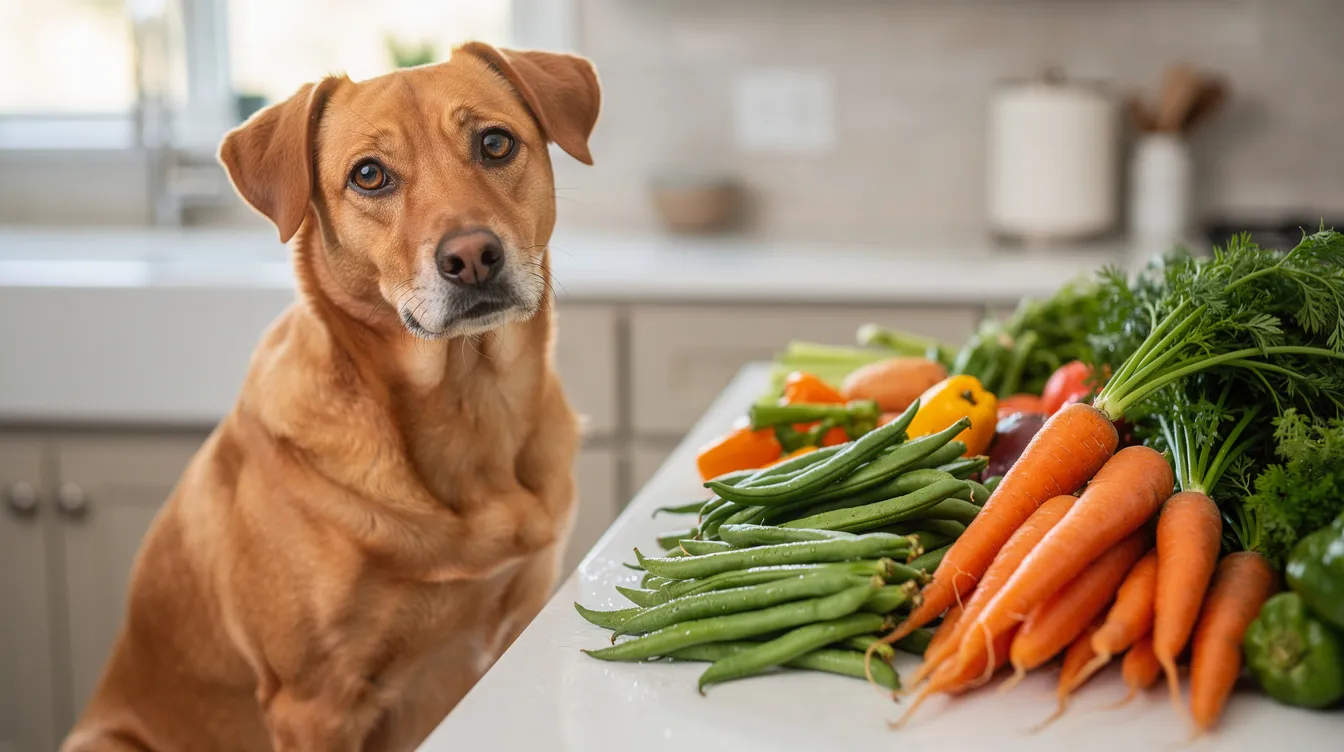
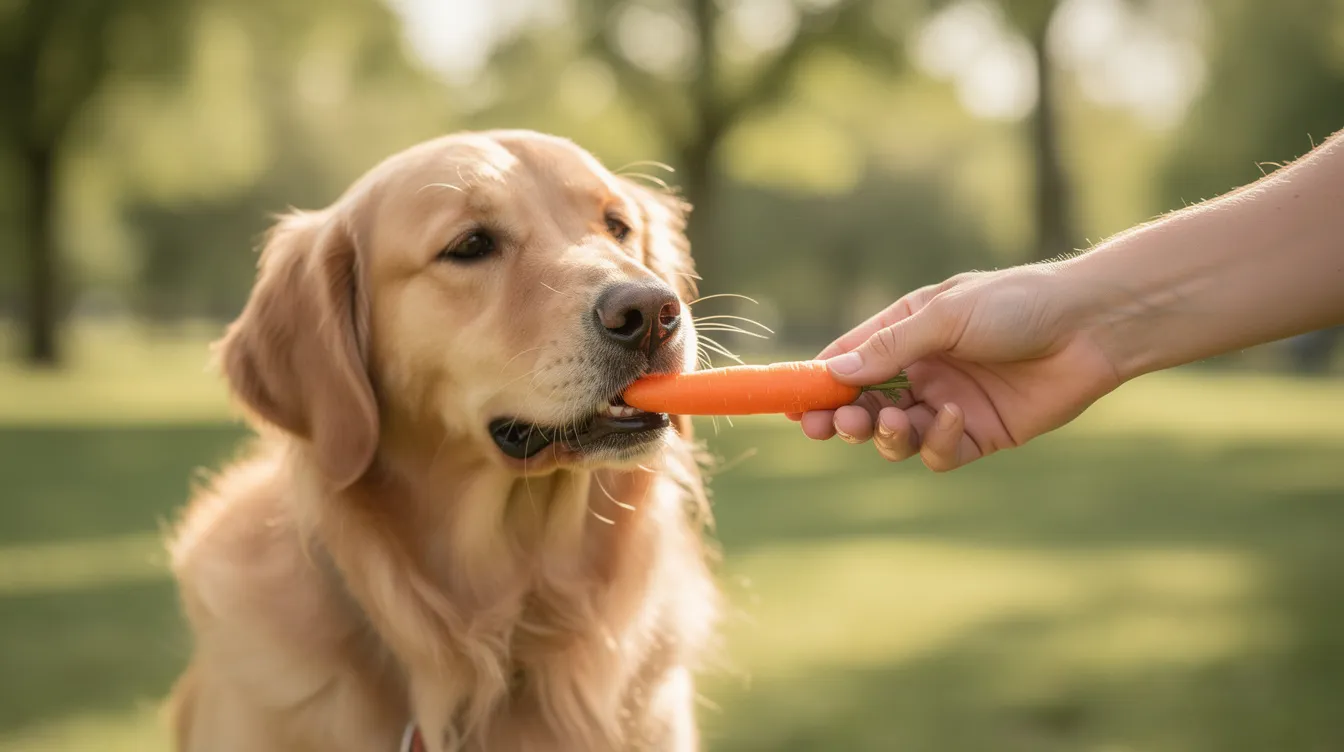
1. Baby Carrots
Baby carrots are among the safest low calorie treats you can offer. At roughly 2-4 calories per carrot, they let you reward your dog frequently without adding unnecessary calories to their daily budget.
Why they stand out: A naturally sweet crunch with only about 4 calories per piece, providing the sensory satisfaction most dogs crave.
Best for: Dogs who enjoy crunchy textures and need frequent low calorie rewards throughout daily routines.
Key strengths: High fiber content supports digestion and satiety. Beta-carotene provides vitamin A. The firm texture can provide crunch that helps with dental surface cleaning. Baby carrots are budget-friendly and available at every grocery store.
Possible limitations: Some dogs simply ignore raw vegetables. Overfeeding carrots (more than a handful daily) can cause orange-tinged stool, which is harmless but surprising.
2. Green Beans (Fresh or Steamed)
Green beans deliver exceptional volume for minimal calories. A half cup of boiled green beans contains roughly 22 kcal, making them one of the most filling low calorie options available.
Why they stand out: The combination of fiber and water content creates a high satiety factor that helps overweight pets feel full between meals.
Best for: Dogs with large appetites who need to feel satisfied on a calorie-restricted plan.
Key strengths: Rich in vitamins A and K. Can be served raw, steamed, or frozen. Vegetables should be served plain without additives like butter or salt. Extremely low in fat. One of the most cost-effective treat options year-round.
Possible limitations: May cause gas in sensitive dogs, particularly when introduced too quickly. Some dogs reject the texture of raw green beans; lightly steaming them often improves acceptance. Cucumber slices are mostly water and virtually calorie-free, making them a useful alternative for dogs who refuse beans.
3. Plain Cooked Chicken Breast
Boiled chicken (skinless, boneless) is the gold standard high value training treat for dogs on a weight loss program. It is a lean protein option that supports muscle maintenance during caloric restriction.
Why it stands out: Exceptional palatability paired with excellent portion flexibility. A single breast can be diced into dozens of tiny pieces for training sessions.
Best for: Training sessions where you need high-motivation treats, and dogs who reject fresh vegetables.
Key strengths: Lean proteins like chicken help preserve muscle mass while fat is lost. In a study of 149 dogs undergoing weight loss, diets adequate in protein ensured that most tissue lost was fat rather than lean mass. Plain cooked chicken is highly palatable to most dogs. Freeze dried meat treats offer a similar protein profile with low calories and longer shelf life, making them a convenient alternative.
Possible limitations: Requires cooking, cooling, and refrigeration. Higher calorie density than vegetables (roughly 25-30 kcal per ounce), so portions must stay small. Dogs with poultry allergies need an alternative; cooked fish (plain, boneless) serves a similar role.
4. Apple Slices (Seeds Removed)
Apples provide fiber and should be given without seeds, as apple seeds contain compounds that are toxic to dogs. A quarter cup of raw apple with skin contains about 14-16 kcal.
Why they stand out: Natural sweetness satisfies dogs who gravitate toward sweeter human food without the calorie load of packaged treats.
Best for: Dogs who enjoy fruit and need occasional rewards with a different flavor profile.
Key strengths: Antioxidants and vitamin C. Crisp texture acts as a natural breath freshener. Apple slices are easy to prepare and store. Blueberries are antioxidant-rich and suitable for training rewards as well; a half cup contains about 31 kcal.
Possible limitations: Natural sugars mean portion sizes must be controlled. Seeds and core must always be removed. Avoid grapes, raisins, and cherries completely; these are toxic to dogs regardless of amount.
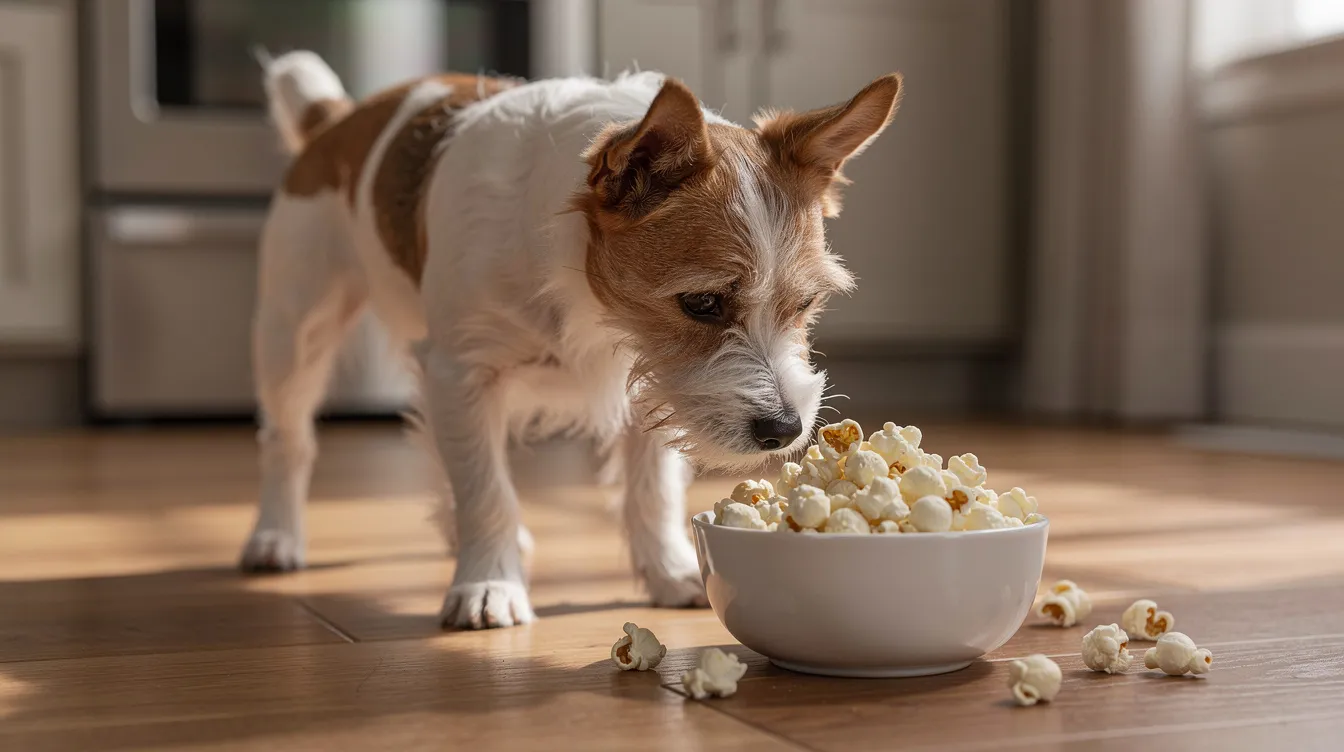
5. Air-Popped Popcorn (Plain)
Air popped popcorn delivers one of the best volume-to-calorie ratios of any treat. A half cup contains roughly 16 kcal, yet fills a small bowl.
Why it stands out: Large volume with minimal calories means your dog gets a satisfying portion without excess calories.
Best for: Dogs who enjoy interesting textures and benefit from receiving multiple small treats during a session.
Key strengths: Whole grain with low calorie density. Inexpensive. Fun, novel texture that many dogs find engaging. Air-popped popcorn can be given in moderation as a treat.
Possible limitations: Must be completely plain; salt, butter, and flavoring turn a low calorie snack into a high calorie problem. Hulls can pose a choking risk for very small dogs. Some dogs lose interest in dry popcorn after the novelty fades.
6. Portion-Controlled Regular Kibble
Using part of a dog’s regular kibble for training avoids extra calories entirely. Simply set aside a measured portion from the daily meal allowance and use those pieces as treats throughout the day.
Why it stands out: Familiar taste with built-in calorie tracking, since the calories are already accounted for in the daily food budget.
Best for: Dogs on prescription weight management diets or those with food sensitivities where new foods could cause digestive upset.
Key strengths: Balanced nutrition guaranteed. No risk of adding unnecessary calories beyond the meal plan. Always available. Prescription weight management kibble is formulated with higher protein and fiber to promote satiety even in small quantities.
Possible limitations: May not feel special enough for training sessions requiring high value rewards. Owners must track how many pieces they remove from meals to avoid overfeeding or underfeeding at mealtime.
7. Frozen Green Vegetable Medley
A bag of frozen peas, green beans, and broccoli florets offers variety, convenience, and extended treat time. Pumpkin is high in fiber and supports digestion in dogs; small frozen cubes of plain canned pumpkin can be mixed in during colder months for added variety.
Why it stands out: The frozen texture slows consumption and provides mental stimulation, turning a simple treat into an activity.
Best for: Dogs who eat too quickly or need enrichment during treat time. Frozen vegetables work well inside puzzle feeders.
Key strengths: Multiple nutrients from different vegetables. Freezing preserves vitamins without adding calories. The cooling effect appeals to many dogs, especially in warm weather. Convenient storage; a single bag lasts weeks.
Possible limitations: Some dogs reject frozen textures outright; thawing slightly can help. Very hard frozen pieces could stress teeth in small breeds. Plain yogurt provides probiotics and calcium with low calories, and can be used as a light coating on frozen vegetables to improve acceptance.
Quick Comparison of the Best Healthy Treats
-
Baby Carrots: Best for frequent low calorie rewards (2-4 kcal each)
-
Green Beans: Best for maximum satiety with minimal calories (22 kcal per half cup)
-
Plain Cooked Chicken: Best for high value training rewards (25-30 kcal per ounce)
-
Apple Slices: Best for dogs who enjoy natural sweetness (14-16 kcal per quarter cup)
-
Air-Popped Popcorn: Best for volume eating with low calories (16 kcal per half cup)
-
Portion-Controlled Kibble: Best for dogs on special diets (calories already budgeted)
-
Frozen Vegetable Medley: Best for mental stimulation and slow consumption
How Do You Choose the Right Treats for Your Overweight Dog?
Selecting the right treat depends on three factors: your dog’s calorie budget, training needs, and individual health profile. Safe low-calorie treat options include fresh vegetables and apple pieces, but the best choice varies by situation.
Choose Based on Your Dog’s Calorie Needs
Daily calorie targets during weight loss are calculated using ideal (not current) body weight. A common veterinary formula sets Resting Energy Requirement as 70 multiplied by ideal body weight in kilograms raised to the 0.75 power. For active weight loss, intake is often restricted to 60-80 kcal per kg of target body weight^0.75 per day. Within that budget, treats should represent no more than ten percent of daily calories. For a 50-pound (22.7 kg) dog on a weight loss plan consuming 600 kcal daily, that means roughly 60 kcal from treats. Smaller dogs have even tighter budgets, making excellent low calorie options like vegetables essential.
Choose Based on Training Requirements
Using treats as training tools balances calorie intake with energy expenditure and reinforces positive behavior. For frequent training sessions, breaking treats into smaller pieces helps control calorie intake while still delivering multiple rewards. A single baby carrot broken into three pieces provides three separate reinforcement moments for about 4 total calories. For recall or leash training where motivation needs to be high, small bits of boiled chicken or freeze dried meat work better. Keep portions small and adjust meal sizes downward on heavy training days.
Choose Based on Your Dog’s Preferences and Health Conditions
Dogs with food allergies may need to avoid common proteins like chicken; cooked fish or novel proteins can substitute. Dogs with diabetes need treats low in simple sugars, ruling out most fruits. Dental health also influences choices: dogs with missing teeth or oral pain do better with soft treats than crunchy carrots. Cat grass, while more commonly associated with feline enrichment, is safe for dogs and provides a novel low calorie chewing experience for curious pets.
Which Treats Are Best for Your Dog?
-
Choose baby carrots if your dog needs frequent, crunchy rewards with almost no calorie impact.
-
Choose green beans if your furry friend has a large appetite and needs to feel full on fewer daily calories.
-
Choose plain chicken if you need high value treats for training sessions.
-
Choose apple slices if your dog enjoys natural sweetness as occasional rewards.
-
Choose kibble portions if your dog is on a prescription diet where simple swaps outside the formula could cause problems.
-
Choose frozen vegetables if your dog eats too fast and needs extended enrichment.
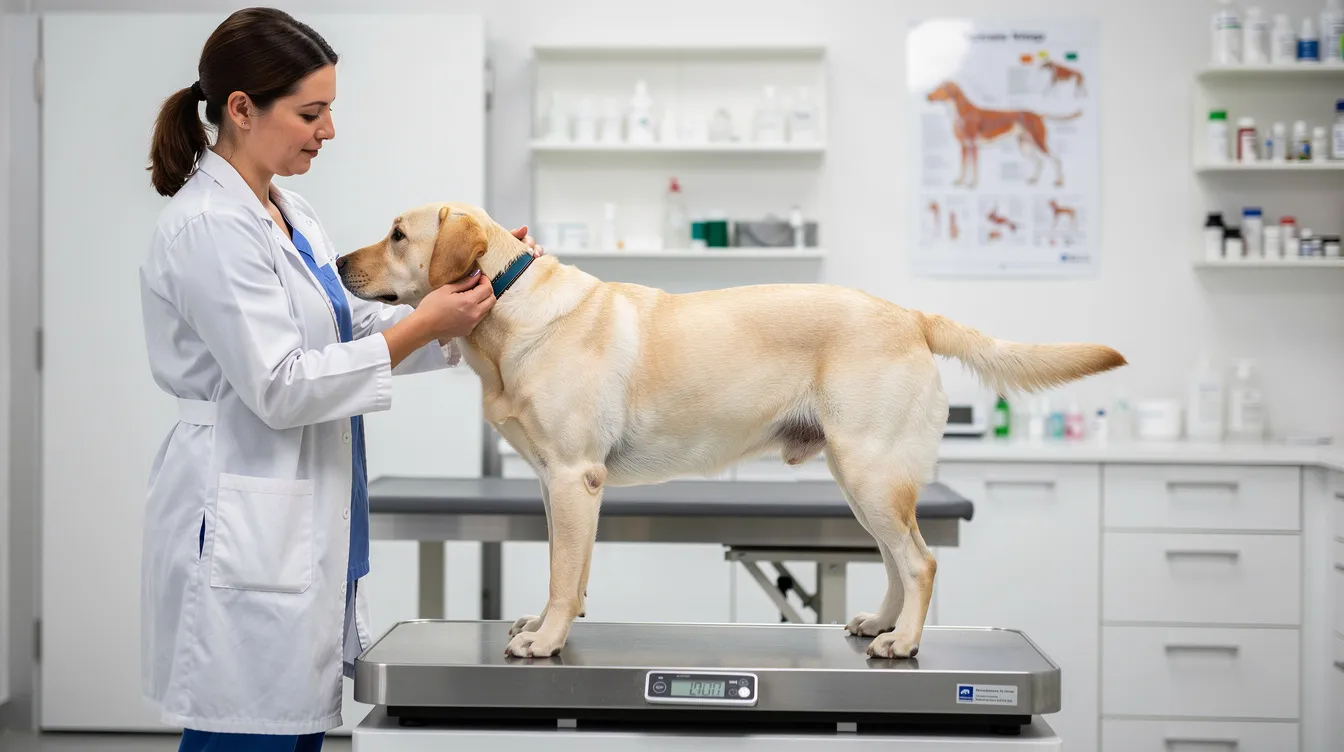
Portion control is essential for preventing weight gain in overweight pets. Monitor treat portions and track everything your dog consumes, including table scraps. Before implementing any changes, consult your veterinary surgeon to confirm the approach fits your dog’s specific health needs and weight loss goals.
Final Thoughts
Successful weight management does not require sacrificing enjoyment. The treat options above show that dogs can enjoy a variety of flavors and textures, from the crunch of carrots to the richness of lean proteins, without derailing their progress. Portion awareness and thoughtful choices are more effective than eliminating treats altogether, because treats serve a real purpose: they strengthen the bond between pet owners and their dogs, support training, and make the weight loss journey sustainable.
No single treat works for every dog. Energy levels, health conditions, preferences, and calorie budgets all shape the right approach. Steady improvement, not perfection, is the goal. A healthy lifestyle for your dog combines compassionate care, trusted veterinary care (conveniently located through referral networks like university teaching hospitals), and daily routines that keep your pet’s well being at the center of every decision.
Common mistakes include ignoring the calorie content of packaged treats, relying on table scraps as rewards, and failing to adjust meal sizes when treats are given. With controlled portions and a veterinary-supervised plan targeting 1-2% of body weight lost per week, most dogs can lose weight safely while still enjoying their favorite moments of the day.
Frequently Asked Questions
How many calories should treats provide for my overweight dog?
Treats should account for no more than 10% of daily calorie intake. For a 50-pound (22.7 kg) dog on a weight loss plan consuming around 600 kcal daily, this means roughly 60 calories from treats. Your veterinary surgeon can calculate precise targets based on your dog's ideal body weight and activity level.
Can I give my overweight dog fruit as a healthy treat?
Yes. Apple slices (without seeds), blueberries, and watermelon in small quantities are acceptable. Natural sugars mean fruit should be given sparingly; treat them as occasional rewards rather than daily staples. Avoid grapes, raisins, and cherries completely, as these are toxic to dogs.
Are commercial "diet" dog treats worth buying?
Quality varies. Some store bought treats labeled "low calorie" still contain 20-30 kcal per piece, which adds up quickly. Check the calorie content per treat on the packaging and review the ingredient list for added sugars or excess fat. Fresh whole foods like vegetables often provide better value and lower calorie density than packaged treats.
How do I transition my dog to healthier treats?
Introduce new foods gradually alongside familiar ones. Start with small quantities to test acceptance and watch for digestive upset. Many dogs initially reject raw vegetables but accept them after several exposures. Positive reinforcement and patience during the transition period help build new preferences.
What treats should I avoid completely for overweight dogs?
Avoid high calorie items like cheese, bacon, and processed meats. Human snack foods containing salt, sugar, or artificial sweeteners (especially xylitol) are dangerous. Large rawhides or bully sticks can contain over 100 calories each. Even well-intentioned table scraps of human food can contain hidden calories that undermine a weight loss plan.
How quickly should I expect to see weight loss results?
Safe weight loss occurs at 1-2% of body weight per week when properly supervised. For a 60-pound (27.2 kg) dog, that is roughly 0.6-1.2 pounds per week. Visible changes typically appear after 4-6 weeks of consistent management. Research shows that metabolic improvements, including reduced triglycerides and lower blood pressure, often begin before ideal body condition is reached. Regular veterinary monitoring ensures healthy progress and allows adjustments to the plan.
References
- German AJ, Holden SL, Wiseman-Orr ML, et al. Quality of life is reduced in obese dogs but improves after successful weight loss. The Veterinary Journal . 2012;192(3):428-434.
- German AJ, Holden SL, Moxham GL, et al. A simple, reliable tool for owners to assess the body condition of their dog or cat. Journal of Nutrition . 2006;136(7 Suppl):2031S-2033S.
- Flanagan J, Bissot T, Hours MA, et al. Success of a weight loss plan for overweight dogs: The results of an international weight loss study. PLoS ONE . 2017;12(9):e0184199.
- German AJ, Holden SL, Morris PJ, Biourge V. Long-term follow-up after weight management in obese dogs: The role of diet in preventing regain. The Veterinary Journal . 2012;192(1):65-70.
- WSAVA Global Nutrition Committee. WSAVA Global Nutrition Guidelines. World Small Animal Veterinary Association. 2011.
- WSAVA. Feeding Treats to Your Dog. WSAVA Global Nutrition Committee Guide. 2025.
- University of California, Davis. Treat Guidelines for Dogs. UC Davis Veterinary Medicine Health Topics.
- Association for Pet Obesity Prevention. Low Calorie Dog Treats and Recipes. petobesityprevention.org.
- Linder DE, Freeman LM, Morris P, et al. Metabolic and urinary profiles of overweight and obese dogs undergoing a weight loss program. Research in Veterinary Science . 2026;179.
- German AJ, Holden SL, Mather NJ, Morris PJ, Biourge V. Low-maintenance energy requirements of obese dogs after weight loss. British Journal of Nutrition . 2011;106(S1):S93-S96.

Georgia Woods
RVN — ROYAL CANIN® Weight Management Clinic Nurse
Georgia Woods trained as a Veterinary Nurse in 2001 and qualified in 2004, going on to run nurse-led obesity clinics and work in emergency and critical care. She completed the ROYAL CANIN® Pet Health Councillor course, and since 2015 has been the ROYAL CANIN® Weight Management Clinic Nurse at the University of Liverpool Small Animal Teaching Hospital, where she works exclusively with obese pets.
This article is for general information only and is not a substitute for professional veterinary advice. Always consult your veterinary surgeon about the health of your pet.