Weight Management Dog Food Explained: A Veterinary Guide
Medically reviewed by Dr. Alex German, BVSc PhD CertSAM DipECVIM-CA — Reader in Small Animal Medicine, University of Liverpool
Key Takeaways
- Weight management dog food is designed to help dogs maintain or lose weight by reducing calorie density while providing balanced nutrition, high protein, and added fiber so that dogs feel satisfied on fewer calories.
- Healthy weight loss should be gradual, at about 1 to 2% of body weight per week, monitored by your veterinarian. Faster loss risks lean muscle loss and nutrient gaps.
- Feeding less of a regular food is not the same as feeding a purpose-made weight management food. Standard adult diets may leave nutritional shortfalls when portions are cut, and they lack the satiety-promoting formula adjustments that keep dogs from constant hunger.
- A proper weight loss plan combines the right diet, precise portion control, and daily exercise tailored to the individual dog's weight, age, breed, and health status.
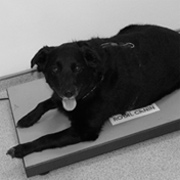
- Always consult your veterinarian before switching dog food or starting any weight loss program. At the ROYAL CANIN Weight Management Clinic at the University of Liverpool, every dog is assessed via veterinary referral; US pet owners should work with their own veterinary team in the same way.
Weight management dog food is a specially formulated diet that delivers fewer calories per serving while increasing protein and fiber content, helping overweight dogs lose weight safely and maintain a healthy weight under veterinary supervision. Over 50% of dogs in the U.S. are obese, and the consequences range from joint disease to shortened lifespan. This guide covers what these diets contain, how they work, and how to build a weight loss plan that protects your dog’s health.
What Is Weight Management Dog Food?
Weight management dog food is a complete, balanced diet formulated with controlled calories, higher protein, increased fiber, and targeted nutrients to help overweight dogs lose excess weight or hold at an ideal weight. These products differ from standard adult maintenance dog food in a concrete way: regular food is formulated to keep a dog at its current weight under typical activity levels, while management dog food is built to create a safe caloric deficit that drives fat loss and preserves lean muscle.
There is an important distinction between over-the-counter “light” or weight control labels and prescription therapeutic formulas available through veterinarians. OTC weight control products are often just lower-calorie versions of maintenance diets. They may not be clinically tested for weight loss, and they are not always formulated to meet nutrient needs when fed at restricted amounts. Veterinary therapeutic weight loss diets, by contrast, are backed by clinical trials and balanced so that vitamins, minerals, and amino acids remain adequate even at reduced portions.
Nutritional adequacy statements by AAFCO ensure balanced nutrition for dogs. Any appropriate weight management diet must still meet AAFCO Dog Food Nutrient Profiles for the relevant life stage. Because these foods have lower energy density, nutrient concentrations per calorie are increased to prevent deficiencies.
-
Regular adult dog food often exceeds 400 calories per cup.
-
Weight management food typically contains 300 to 360 calories per cup, allowing a similar bowl volume with fewer calories.
-
Therapeutic formulas are specifically validated through feeding trials or nutrient analysis at restricted intake levels.
Why Your Dog’s Weight Matters
Excess body fat is not a cosmetic issue. It is a chronic disease risk factor. Obesity can reduce a dog’s lifespan by up to 2.5 years compared to lean counterparts, according to large cohort studies. Obesity also increases the risk of diabetes and heart disease in dogs, along with respiratory compromise, higher anesthetic risk, and certain cancers.
A dog’s weight on the scale tells only part of the story. A healthy weight varies by breed and individual dog; what matters more is body condition. On a standardized 9-point body condition score, an ideal score of 4 to 5 means ribs are easy to feel, a waist is visible from above, and an abdominal tuck is present from the side. One in 3 pet parents do not recognize their dog’s weight issue, which is why veterinary body condition scoring matters more than the number on the scale. Certain breeds like Labradors are also more prone to obesity due to genetic factors affecting appetite regulation.
Top reasons to aim for a healthy weight:
-
Joint strain and arthritis: excess weight accelerates cartilage breakdown, and even a modest 6 to 8% reduction in body weight measurably improves lameness and mobility in dogs with osteoarthritis.
-
Exercise tolerance: overweight dogs overheat faster, tire sooner, and avoid play sessions they once enjoyed.
-
Respiratory and cardiac load: extra body fat compresses airways and increases cardiac workload, worsening existing heart disease.
-
Anesthetic and surgical risk: overweight dogs face higher complication rates during procedures.
-
Overall well being and quality of life: clinical studies show quality-of-life scores improve after successful weight loss.

How Do Vets Assess Your Dog’s Weight and Body Condition?
Veterinary guidance is the first step in any weight management program. At the ROYAL CANIN Weight Management Clinic, every dog receives a full assessment, including medical history, blood and urine tests, blood pressure measurement, and in some cases DEXA body composition scanning, before any diet is prescribed. US readers should expect a thorough evaluation from their own veterinarian before starting a new food or feeding schedule.
Body weight is measured in pounds (with kilograms in brackets on first mention) and recorded at every visit. For a dog starting at 66 lb (30 kg), the vet tracks trends over weeks to separate real fat loss from normal daily fluctuations.
Body condition score on a 1 to 9 scale is the standard tool. At a score of 4 to 5, ribs are palpable with minimal fat covering, the waist is visible from above, and the abdominal tuck is clear. A score of 7 to 9 signals substantial excess weight, with ribs difficult to feel and no visible waist.
Muscle condition scoring is assessed separately. MCS examines muscle mass over the spine, shoulder blades, and pelvis. Preserving lean muscle during weight loss is essential, especially for senior dog patients and large or medium breeds with joint concerns. High protein diets help maintain that muscle.
What your vet will check:
-
Current body weight, BCS, and MCS
-
Medical history and potential metabolic disease (hypothyroidism, insulin resistance)
-
Current diet, treats, and feeding schedule
-
Daily activity level and any mobility limitations
-
A target or goal weight estimate, used to calculate daily calories for weight loss
How Does Weight Management Dog Food Work?
These diets reduce calories while preserving satiety and lean body mass through specific nutrient adjustments, not just smaller portions. The mechanisms are straightforward and backed by clinical evidence.
-
Lower energy density: fewer calories per cup or gram, so the dog eats a similar volume of food but takes in less energy.
-
High protein content: supports lean muscle mass and helps dogs burn more calories at rest through the thermic effect of protein digestion.
-
Higher fiber: both soluble and insoluble fiber add bulk, slow gastric emptying, and help dogs feel full longer.
-
Controlled fat: often low fat relative to maintenance diets, while still supplying essential fatty acids.
-
Functional additives: L-carnitine to support fat metabolism, omega-3 fatty acids, and antioxidants.
Lower energy density means pet parents can fill the bowl to a satisfying level without overshooting calorie intake. In clinical trials of satiety-type diets, dogs fed high-protein, high-fiber formulas showed reduced begging scores compared to dogs on standard maintenance rations. High-fiber diets can help control begging behavior in dogs because fiber slows digestion and extends the period of fullness after a meal.
High-protein diets can reduce begging behavior in dogs by promoting satiety signals. Some therapeutic formulas also alter carbohydrate and fat types to support a dog’s metabolism toward more efficient fat oxidation. A 2023 meta-analysis of 20 trials found that diets with protein above 25% and fiber above 12% supported both fat loss and lean mass preservation.
Key Nutrients in Weight Management Dog Food
Weight management nutrition is built on balanced nutrition, not calorie cutting alone. Each macronutrient plays a defined role.
Protein. High-quality protein is the backbone of any effective weight loss diet. High-protein diets help maintain lean muscle mass in dogs during calorie restriction. High-quality protein keeps dogs feeling fuller than other nutrients, reducing the urge to beg between meals. High-protein foods help dogs burn more calories at rest because protein has a higher thermic effect than fat or carbohydrate. Clinical trials show that diets with 28% protein can support weight loss in dogs while preserving lean muscle. Dogs need high-quality lean protein for muscle support during weight loss; sources like poultry, fish, and egg provide complete amino acid profiles.
Fiber. Weight management foods often contain added fiber sources such as beet pulp, cellulose, or psyllium. High-fiber dog food helps dogs feel full longer by adding bulk and slowing gastric emptying. Fiber supports healthy digestion and regular bowel movements, and fiber can reduce calorie intake while maintaining fullness. Fiber also supports a healthy gut microbiome; recent veterinary research shows microbiota diversity improves with weight loss on high-fiber diets. Total dietary fiber in effective therapeutic diets often reaches 30 to 34 grams per megacalorie.
Fat. Fat is restricted to lower calorie density, but essential fatty acids are maintained. Omega-3 fatty acids from marine sources (EPA, DHA) support joint health and help manage inflammation in overweight dogs with arthritis. This also contributes to healthy skin.
Micronutrients and functional additives. Because portions are reduced for dogs trying to lose weight, formulas are fortified with vitamins, minerals, and amino acids to prevent deficiencies. Weight management foods should contain L-carnitine to support fat metabolism; L-carnitine shuttles fatty acids into mitochondria for energy production. Antioxidants are included to manage oxidative stress that can accompany obesity.
-
Protein: preserves lean muscle, promotes satiety, supports healthy metabolism
-
Fiber: promotes fullness, supports healthy digestion, feeds beneficial gut bacteria
-
Fat: controlled for calorie reduction, essential fatty acids maintained for skin and joint health
-
Micronutrients: fortified to meet needs at lower feeding volumes
-
Functional additives: L-carnitine, omega-3s, antioxidants to support a healthy immune system
High-Protein, High-Fiber vs Low-Fat: Which Is Best?
There is no single best dog food formula for every overweight dog. Veterinarians choose between formulations based on the individual dog’s medical history, appetite patterns, and lifestyle.
High-protein, high-fiber diets suit dogs that are very hungry, prone to begging, or need strong muscle preservation. Active adult dogs, large breeds with joint issues, and most dogs on a first weight loss attempt often start here. In a study from the University of Liverpool, dogs fed a high-protein, high-fiber diet lost a median of 31.8% of their excess weight, compared to 20.0% in a high-protein, moderate-fiber group over the same period. The rate of loss was 1.0% per week versus 0.7%.
Low fat diets are indicated when a dog has pancreatitis, hyperlipidemia, or certain liver conditions where strict fat restriction is medically necessary. In these cases, fat control takes priority, though the diet must still supply essential fatty acids. Dogs with sensitive stomachs may also respond better to lower-fat options.
On the question of dry food versus wet food: dry food is convenient and easy to weigh precisely. Wet food offers larger meal volume and higher moisture, which can help some dogs feel more satisfied. Both can work within a structured weight loss plan. Many pet parents use a mix. The choice should be guided by your veterinarian based on the dog’s preferences, dental health, and calorie target.
Designing a Safe Weight-Loss Plan for Your Dog
At the ROYAL CANIN Weight Management Clinic and in evidence-based US veterinary practice, weight loss is planned, supervised, and adjusted over time. It is not left to guesswork.
Dogs on weight management diets can lose 1 to 2% of body weight weekly. Faster rates increase the risk of nutrient deficiencies, muscle mass loss, and metabolic complications. For a 66 lb (30 kg) dog, that translates to roughly 0.7 to 1.3 lb (0.3 to 0.6 kg) per week, adjusted by the vet after regular weigh-ins.
The results are real: veterinary diets can lead to weight loss in 96% of dogs in two months when owners follow the prescribed plan. Over 70% of pets lose weight within 10 weeks on certain clinically tested diets.
Core elements of a safe weight loss plan:
-
Veterinary exam, including lab work to rule out hypothyroidism or other metabolic disease
-
Selection of an appropriate weight management food based on the dog’s body condition and health status
-
Calorie calculation using the resting energy requirement for the target weight
-
Feeding amounts set in grams or cups, measured precisely
-
Rechecks every 2 to 4 weeks to monitor progress, adjust calories, and reassess BCS
-
Realistic timeframes: most dogs take 12 to 24 weeks or longer to reach their goal; plateau phases are common and addressed by adjusting daily calories or activity, not by abandoning the plan
You can gradually reduce portions by 10 to 15% when the vet determines the current rate of loss is too slow.
Portion Control, Treats, and Everyday Feeding Habits
Even the best weight management dog food cannot produce results if portions are too large or treats go unaccounted. Portion control is crucial for effective weight management in dogs. Overfeeding can lead to excess weight gain even on a reduced-calorie formula.
Measuring food accurately prevents unintentional overfeeding. A digital kitchen scale is more reliable than a measuring cup, especially for small dogs where a few extra kibbles can add 10 to 20% more calories than intended.
Portion control essentials:
-
Divide the daily ration into 2 to 3 measured meals; feeding multiple small meals can help maintain stable energy and reduce hunger peaks
-
Avoid free-feeding; pick up uneaten food after 15 to 20 minutes
-
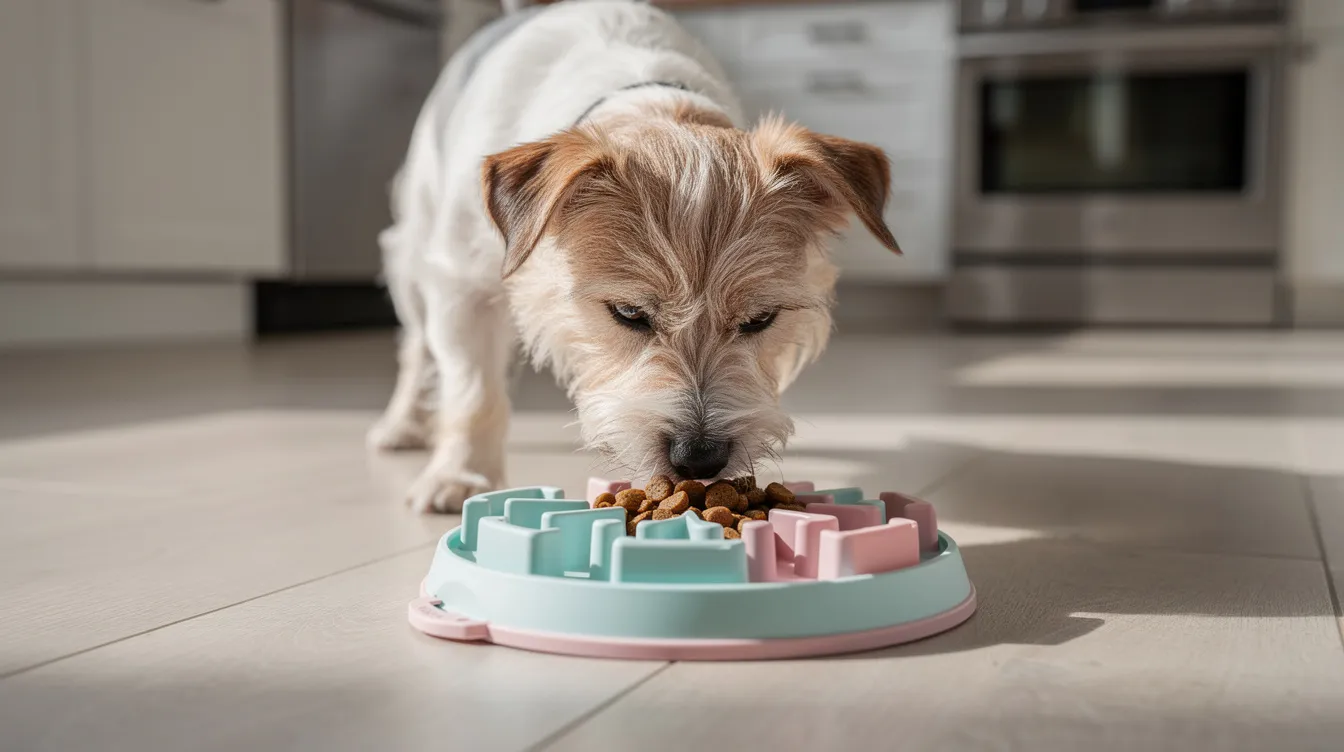
Use puzzle feeders or slow-feed bowls so dogs feel satisfied by eating more slowly
-
Make sure every household member follows the same feeding schedule and knows the exact daily portion
Smarter treat strategies:
-
Treats should not exceed 10% of a dog’s daily calories
-
Use small pieces of the main diet kibble or vet-approved low-calorie vegetables (carrots, green beans) as rewards
-
Subtract treat calories from the daily food allowance
-
Avoid high-fat table scraps; they add more calories than most pet owners realize
Exercise and Lifestyle: Beyond the Food Bowl
Diet is the primary driver of weight loss, but regular exercise improves fitness, supports joint health, and helps maintain a healthy weight once the dog reaches its goal. Guidelines from AAHA and WSAVA emphasize combined diet and activity for best outcomes.
Activity must match the dog’s current condition. A very overweight or arthritic dog should start with short, frequent leash walks. As fitness improves, duration and intensity can increase gradually. Swimming and hydrotherapy are excellent low-impact options for dogs whose joints cannot handle ground-based exercise. Daily exercise does not need to be extreme; consistency matters more than intensity.
Ideas to move more safely:
-
Two to three short walks per day, starting at 10 to 15 minutes each for most dogs
-
Gentle fetch or tug play sessions on soft surfaces
-
Scent work and nose games (burns calories through mental effort)
-
Indoor training sessions using a portion of the daily kibble as rewards
-
Swimming, if available and medically cleared
Always get veterinary approval before starting or increasing exercise in dogs with heart disease, respiratory problems, or orthopedic conditions. Pain management for arthritis may be needed before a dog can move comfortably enough to benefit from regular exercise.
Maintaining a Healthy Weight After Weight Loss
Keeping the weight off is often harder than losing it. Many dogs regain weight when pet parents return to old feeding patterns or stop tracking the pet’s weight. Longitudinal studies confirm that weight gain recurrence is common without ongoing monitoring.
Once a dog reaches its ideal weight, the veterinarian will typically increase calorie intake to a maintenance level. Some dogs continue on the same weight management food at a slightly higher portion, while others transition to a dedicated weight control maintenance formula. The feeding plan still needs structure; the habits that produced weight loss are the same habits that prevent regain.
Habits that help your dog stay at a healthy weight for life:
-
Regular weigh-ins every 1 to 3 months at the veterinary clinic
-
Ongoing BCS and MCS checks at home and at vet visits
-
Consistent portion sizes measured the same way as during the weight loss phase
-
Continued daily activity and play sessions
-
Adjusting the plan for life-stage changes: aging, reduced activity, spaying or neutering, or a new food can all shift energy needs
When Is Therapeutic Weight Management Dog Food Needed?
Some overweight dogs respond well to non-prescription weight control diets under veterinary guidance. Others need prescription therapeutic nutrition, particularly when medical complications are present or when prior attempts have failed.
When to ask your vet about therapeutic weight management diets:
-
Obesity-related osteoarthritis limiting mobility
-
Diabetes mellitus or insulin resistance
-
Pancreatitis or hyperlipidemia requiring strict fat restriction
-
Severe obesity (BCS 8 to 9 out of 9)
-
Coexisting health problems such as urinary stones, kidney disease, or respiratory disease
-
Repeated weight loss failures on OTC diets
At referral centers like the ROYAL CANIN Weight Management Clinic, diet selection is guided by both weight loss goals and any underlying diseases. Veterinary therapeutic weight loss diets provide adequate nutrients during calorie restriction, which is especially important when a dog’s daily intake drops well below what a standard formula was designed for.
Never start or stop a prescription diet without consulting your veterinarian. Home-formulated “weight loss recipes” created without expert input risk nutrient imbalances that can cause health problems, particularly in adult dogs, senior dog patients, and small dogs with narrow caloric margins.
Frequently Asked Questions
How quickly should my dog lose weight on a weight management dog food?
Most veterinary guidelines recommend about 1 to 2% of body weight per week. For a 50 lb dog, that means roughly 0.5 to 1.0 lb per week. Your veterinarian will set the target rate based on your dog's age, starting body condition, and any health issues. Proper weight loss takes time; most programs run 12 weeks or longer.
Can I just give my dog less of their usual food to help them lose weight?
Reducing portions of regular food often leads to hunger, increased begging, and possible nutrient shortfalls because standard maintenance diets are not formulated to be nutritionally complete at reduced feeding volumes. Weight management dog food is specially formulated with higher protein, added fiber, and fortified micronutrients so that balanced nutrition is maintained at a lower calorie intake.
Is dry food or wet food better for dogs who need to lose weight?
Both dry food and wet food can work within a structured plan. Dry food is convenient for precise weighing on a kitchen scale. Wet food offers more volume per calorie due to its water content, which can help some dogs feel satisfied with a smaller calorie budget. The right choice depends on your dog's preferences, dental health, and the calorie target your veterinarian sets.
Are "grain-free" or "natural" labels important for weight management?
These marketing terms do not guarantee that a food is lower in calories or appropriate for weight loss. A grain-free diet can still be calorie-dense. What matters is calorie density per cup, protein and fiber content, nutritional completeness verified by AAFCO standards, and evidence that the diet supports safe, effective weight reduction. Ask your vet to evaluate the formula rather than relying on front-of-bag labels.
When should I ask my vet for a referral to a specialist weight clinic?
Consider asking when your dog has severe obesity, has failed two or more supervised weight loss attempts, or has complex medical conditions such as diabetes, pancreatitis, or concurrent orthopedic disease. In the US, your primary veterinarian can advise whether a local veterinary nutritionist, internal medicine specialist, or teleconsultation service is appropriate for your dog's situation.
References
- German AJ. Obesity in companion animals. Journal of Veterinary Internal Medicine . 2010;24(1):3-7.
- Laflamme DP. Understanding and managing obesity in dogs and cats. Veterinary Clinics of North America: Small Animal Practice . 2006;36(6):1283-1295.
- Sandoe P, Palmer C, Corr S, Astrup A, Bjornvad CR. Canine and feline obesity: a One Health perspective. Journal of Comparative Pathology . 2014;150(2-3):109-115.
- German AJ, Holden SL, Wiseman-Orr ML, et al. Quality of life is reduced in obese dogs but improves after successful weight loss. Journal of Veterinary Internal Medicine . 2012;26(6):1239-1245.
- Kealy RD, Lawler DF, Ballam JM, et al. Effects of diet restriction on life span and age-related changes in dogs. Journal of the American Veterinary Medical Association . 2002;220(9):1315-1320.
- German AJ, Holden SL, Bissot T, Hackett RM, Biourge V. Dietary energy restriction and successful weight loss in obese client-owned dogs. Journal of Veterinary Internal Medicine . 2007;21(6):1174-1180.
- German AJ, Titcomb JM, Holden SL, Queau Y, Morris PJ, Biourge V. Cohort study of the success of controlled weight loss programs for obese dogs. Journal of Veterinary Internal Medicine . 2015;29(6):1547-1555.
- WSAVA Global Nutrition Committee. WSAVA Global Nutrition Guidelines. Journal of Small Animal Practice . 2011;52(7):385-396.
- Association for Pet Obesity Prevention. 2022 Pet Obesity Prevalence Survey Results. Association for Pet Obesity Prevention; 2022.
- Roudebush P, Schoenherr WD, Delaney SJ. An evidence-based review of the use of therapeutic foods, owner education, exercise, and drugs for the management of obese and overweight pets. Journal of the American Veterinary Medical Association . 2008;232(11):1646-1655.
- Salt C, Morris PJ, German AJ, et al. Association between life span and body condition in neutered client-owned dogs. Journal of Veterinary Internal Medicine . 2019;33(1):89-99.
- Freeman LM, Becvarova I, Cave NJ, et al. WSAVA nutritional assessment guidelines. Journal of Small Animal Practice . 2011;52(7):385-396.

Georgia Woods
RVN — ROYAL CANIN® Weight Management Clinic Nurse
Georgia Woods trained as a Veterinary Nurse in 2001 and qualified in 2004, going on to run nurse-led obesity clinics and work in emergency and critical care. She completed the ROYAL CANIN® Pet Health Councillor course, and since 2015 has been the ROYAL CANIN® Weight Management Clinic Nurse at the University of Liverpool Small Animal Teaching Hospital, where she works exclusively with obese pets.
This article is for general information only and is not a substitute for professional veterinary advice. Always consult your veterinary surgeon about the health of your pet.