Arthritis and Weight Loss in Dogs: How Extra Pounds Affect Joint Health
Medically reviewed by Dr. Alex German, BVSc PhD CertSAM DipECVIM-CA — Reader in Small Animal Medicine, University of Liverpool
Key Takeaways
- Excess weight drives arthritis pain through two pathways: mechanical stress on weight bearing joints and chronic inflammation fueled by fat cells. Managing body condition is central to arthritis care.
- Even modest weight loss can significantly improve mobility, reduce pain, and lower the need for medications in many dogs with osteoarthritis.
- Weight loss should be gradual - about 1–2% of body weight per week - under veterinary supervision, using a tailored plan that combines nutrition, controlled exercise, and regular monitoring.
- Over 50% of dogs in North America are overweight or obese, and obesity increases the risk of osteoarthritis in dogs by approximately 20%.
- This article is written by the ROYAL CANIN Weight Management Clinic at the University of Liverpool, drawing on current understanding and published research in both human and veterinary medicine.
Excess weight is one of the most significant – and most fixable – factors that worsen arthritis pain in dogs. Research consistently shows that even modest weight loss of 6–10% of body weight can measurably reduce lameness and improve comfort in dogs with osteoarthritis, while a loss of 10–15% improves mobility even further. This article explains the science behind the relationship between arthritis and weight loss in dogs, and offers practical guidance for helping your dog safely reach a healthier body condition.
How Are Arthritis and Body Weight Linked in Dogs?
Osteoarthritis is a chronic, progressive joint disease involving cartilage breakdown, bone remodeling, and persistent pain. It affects an estimated 20–30% of adult dogs. Among the many factors that influence its development and severity, excess weight stands out as one of the most important – and one owners can actually change.
The connection works in two directions. Extra weight places increased mechanical load on the hips, elbows, and knees with every step. At the same time, body fat acts as a metabolically active organ, releasing hormones and inflammatory mediators that damage cartilage from the inside out. This means weight affects joint health through both physical force and biochemistry.
-
Multiple studies confirm that overweight dogs develop joint problems earlier and experience more pain than dogs maintained at ideal weight. Kealy et al. (2002) followed paired Labrador Retrievers for life and found that diet-restricted dogs had dramatically lower rates of hip osteoarthritis: only about 4% at age 2, compared with 42% in their heavier littermates (Ref 3).
-
Marshall et al. (2009) reviewed the evidence base and concluded that obesity treatment is a core component of osteoarthritis management in dogs, not an optional add-on (Ref 1).
-
Overweight dogs often show joint damage before visible symptoms appear, meaning the disease can progress silently while the dog seems outwardly fine.
-
For many dogs with arthritis, achieving and maintaining an ideal body weight is one of the most effective treatments available, alongside pain management and controlled exercise.
Why Does Extra Weight Increase Arthritis Pain?
Every extra pound a dog carries multiplies force on joints, accelerating cartilage breakdown over time. The hips, stifles (knees), and elbows are particularly affected because they are primary weight bearing joints during walking, trotting, and rising from rest.
-
In the landmark Kealy et al. study, dogs kept at a lean body condition throughout life developed hip dysplasia and osteoarthritis significantly later and with less severity than their littermates who were allowed to become overweight. The median age at which diet-restricted dogs first needed arthritis treatment was 13.3 years, compared with 10.3 years in the control group – a difference suggesting weight loss can extend a dog’s active, comfortable life by up to two years (Ref 3).
-
To put the pressure in perspective: a 10 lb (4.5 kg) excess in a medium-sized dog can translate to thousands of extra pounds of cumulative force across joints each day, given the number of steps a dog takes during normal activity.
-
Overweight dogs are more likely to show gait changes, reluctance to jump, and difficulty rising – all clinical signs of the additional mechanical strain their joints endure.
-
Excess weight can lead to joint damage before visible symptoms appear, which is why early intervention and prevention matter so much.
How Does Body Fat Drive Chronic Inflammation in Arthritic Joints?
The damage from extra weight goes beyond simple pressure. Fat tissue is hormonally active and releases inflammatory compounds that damage joints from within.
-
Adipose (fat) tissue secretes mediators including leptin, TNF-α, IL-6, and IL-1β. These contribute to chronic inflammation throughout the body, including within joint capsules, where they accelerate cartilage degradation and inhibit normal repair (Ref 1).
-
Marshall et al. (2009) and more recent biomarker studies confirm that obese dogs with osteoarthritis carry higher circulating levels of these inflammatory mediators compared with lean dogs who also have osteoarthritis. This metabolic load worsens pain independent of the mechanical load of weight itself (Ref 4).
-
Fat tissue releases inflammatory chemicals worsening osteoarthritis even in joints that are not primary weight bearing joints – helping to explain why overweight dogs sometimes develop arthritis across multiple sites.
-
Obesity-related chronic inflammation is also linked with other medical conditions, including insulin resistance and reduced overall mobility, which further reduce quality of life and create a vicious cycle: pain leads to less movement, less movement leads to weight gain, and weight gain increases pain.
-
Weight loss reduces inflammation caused by fat tissue, which is one reason arthritic dogs often show improvement in comfort before they have lost a dramatic amount of weight.
What Is a Body Condition Score, and How Do I Know If My Dog Is Overweight?
The scale alone does not tell you whether your dog is carrying excess weight. In veterinary medicine, the standard tool is the 9-point body condition score (BCS), which evaluates fat stores relative to body frame.
-
An ideal body condition score for dogs is 4 or 5 out of 9. A score of 6/9 means the dog is overweight; 7–9/9 indicates obesity and significant excess body fat (Ref 5, 6).
-
At home, you can get a rough sense of your dog’s body condition by checking three things: run your hands along the ribcage (ribs should be easily felt under a thin layer of fat), look from above for a visible waist behind the ribs, and view from the side for an abdominal tuck. If ribs are hard to find, there is no visible waist, or the belly hangs level with or below the chest, your dog is likely carrying extra weight.
-
Hands-on assessment by a veterinarian or credentialed veterinary nurse is more reliable than visual estimation alone. Body condition should be recorded at each visit, alongside a dog’s weight in pounds or kilograms.
-
Two dogs of the same breed and body weight on the scale can have very different amounts of body fat and muscle mass. That is why BCS and muscle condition scoring matter more than numbers on a scale for assessing joint health risk.
-
Ask your primary care veterinarian for a formal BCS and a joint health assessment at your dog’s next appointment – it takes only a minute and provides critical information.

How Can Weight Loss Improve My Dog’s Arthritis and Mobility?
Controlled weight reduction addresses both the mechanical stress and the inflammatory burden that excess weight places on arthritic joints. The evidence is strong that helping an overweight dog lose weight is one of the most impactful things a dog owner can do.
-
In one study, obese dogs with osteoarthritis that lost around 6.1% of body weight showed measurable improvement in lameness scores – a result seen specifically in arthritic Labradors assessed by veterinarians (Ref 2).
-
Larger losses yield larger gains: a weight loss of 10–15% improves mobility and comfort substantially in dogs with arthritis, with owners reporting improvements in willingness to play, climb stairs, and rise from rest.
-
Weight loss reduces both the mechanical stress on arthritic joints and the level of circulating inflammatory mediators associated with excess body fat. This dual benefit is why weight management is considered an effective treatment, not merely a lifestyle choice.
-
Some arthritic dogs need less pain medication after successful weight loss, though all medication changes must be made by their veterinarian. Non-steroidal anti-inflammatory drugs effectively control joint inflammation in many dogs, but reducing the underlying cause – excess weight – can lower the required dose or frequency.
-
Improvements in mobility often begin within a few weeks of steady weight loss, which can help motivate owners to stick with the weight loss program over the longer term.
What Is a Safe Rate of Weight Loss for an Arthritic Dog?
Weight reduction must be gradual and supervised. Rapid loss risks lean muscle mass depletion, nutrient deficiencies, and metabolic complications – none of which help a dog whose joints already need support.
-
Current veterinary weight management guidelines recommend that dogs should lose weight at a rate of 1–2% of body weight per week. Some guidelines also express this as gradual weight loss of 1–3% per month for dogs who are less mobile or have comorbidities (Ref 6).
-
Concrete example: for a 50 lb (22.7 kg) overweight dog, a safe target is about 0.5–1.0 lb (0.23–0.45 kg) per week, adjusted by the attending veterinarian based on age, breed, and medical conditions.
-
Faster weight loss can strip muscle mass that is needed to stabilize joints, worsening mobility instead of improving it. It can also cause nutrient shortfalls if calorie intake drops too sharply.
-
Arthritic dogs with very limited mobility may need to start at a slower pace, with the plan refined over time as comfort improves and activity increases.
-
Any weight loss program for a dog with arthritis – or with other medical conditions – must be designed and monitored by the pet’s own veterinary team. This is not a situation for guesswork.
How Should I Feed My Arthritic, Overweight Dog to Help Them Lose Weight?
Feeding an arthritic, overweight dog effectively requires precision, not just good intentions. The right diet supports weight loss while preserving muscle mass and joint health.
-
Work with your veterinarian to select an appropriate calorie-controlled diet formulated for weight management. High-fiber, high-protein diets can help dogs feel full while losing weight by increasing satiety without excess calories. A weight loss diet should have around 300 calories per cup, though exact formulations vary (Ref 5, 6).
-
Your veterinarian calculates an individual daily calorie allowance using the dog’s ideal body weight, body condition score, and activity level. Caloric restriction for weight loss should typically be 10–20% below maintenance energy requirements, then adjusted based on response.
-
Proper portion control is essential for effective weight management. Use a digital kitchen scale to measure dog food portions accurately – standard measuring cups can vary by up to 20% depending on how they are filled, and that margin of error matters when calories are tight.
-
All food sources must be counted within the daily calorie budget: main meals, snacks, medications hidden in treats, and table scraps. Underestimating “extra” calories is one of the most common reasons a weight loss program stalls.
-
Therapeutic weight management diets are often preferable for obese dogs with arthritis because they protect lean muscle mass while reducing extra weight, supporting the dog’s ability to move comfortably.
Can My Arthritic Dog Still Have Treats and Snacks?
Treats are part of the bond between a dog and their owner, and they do not have to disappear during a weight loss program – but they do need to be managed carefully.
-
Treats should comprise less than 10% of a dog’s daily calories during weight reduction, in line with AAHA and Association for Pet Obesity Prevention guidance (Ref 6, 7).
-
Practical lower-calorie options include measured portions of the dog’s regular diet set aside from the daily allowance, small pieces of carrot or green beans (if tolerated), or specially formulated low-calorie treats recommended by your veterinarian.
-
High-fat table scraps, cheese, and many commercial biscuits are calorie-dense and can quickly undermine weeks of effort to help an overweight dog lose weight.
-
Non-food rewards – a short sniffing walk, gentle play, a grooming session – can reinforce behavior training without adding any extra calories to the budget.
What Kind of Exercise Is Safe for Dogs with Arthritis Who Need to Lose Weight?
Exercise supports weight loss, preserves muscle mass, and helps stabilize joints – but the type, duration, and intensity must match the individual dog’s capabilities.
-
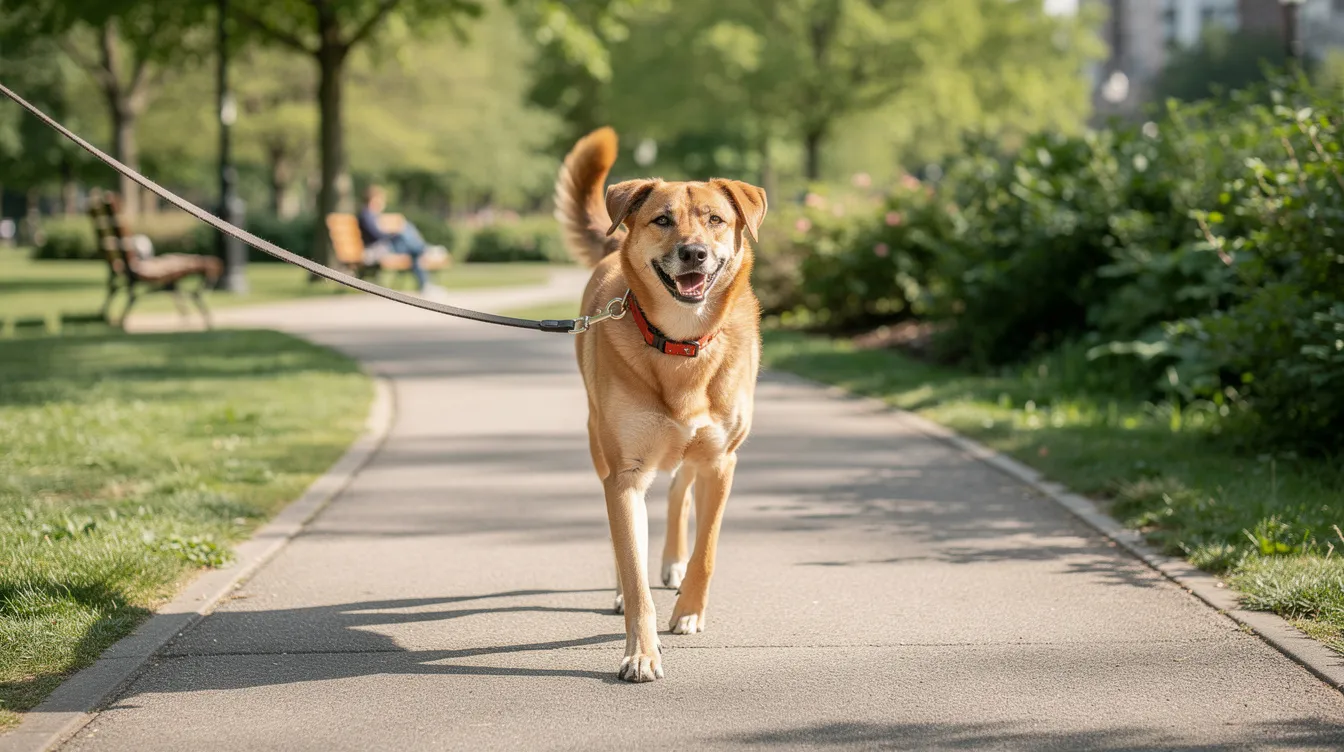
Short frequent walks are better than long strenuous exercise for arthritic dogs. Multiple brief outings on flat, non-slippery surfaces let the dog stay active without overloading affected joints.
-
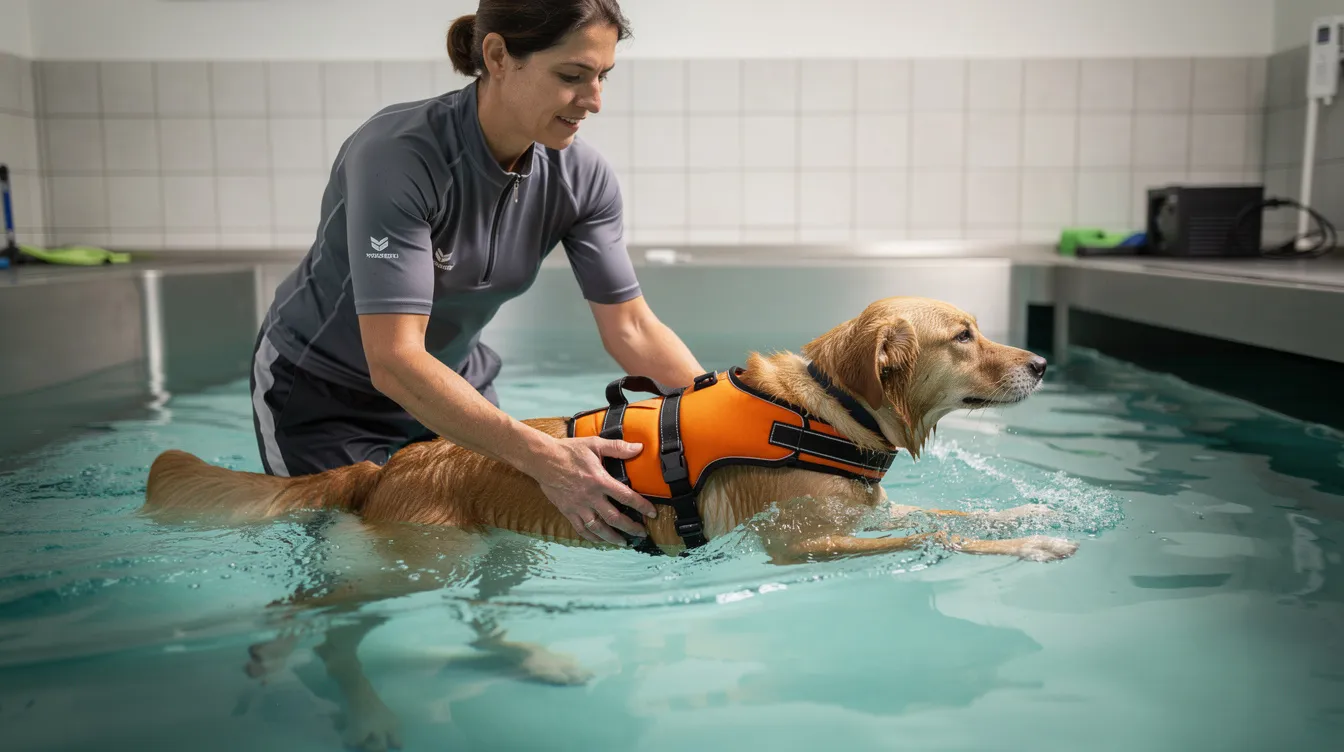
Low-impact exercise is crucial for dogs with arthritis for maintaining mobility. Gentle leash-controlled hill walking (as tolerated) and, where available, hydrotherapy or swimming under professional supervision are excellent options. Hydrotherapy provides muscle-building exercise without joint strain, making it especially valuable for dogs with limited movement on land.
-
Avoid high-impact activities such as repetitive ball chasing, sharp turns, jumping from heights, or running on hard or slippery surfaces unless specifically cleared by your veterinarian.
-
Introduce any new activity gradually over several weeks. Monitor for increased stiffness, limping, or reluctance to move later that day or the next morning. If you see these signs, dial back and consult your veterinary team.
-
In some cases, a veterinary physiotherapist or rehabilitation practitioner can design an individualized lifestyle and exercise program combining weight loss and joint support.
How Do Diet, Weight Loss, and Joint-Support Nutrition Work Together?
Weight loss is the foundation of arthritis management for any overweight dog, but it works best as part of a multimodal approach.
-
Omega-3 fatty acids (EPA and DHA) have anti-inflammatory properties beneficial for arthritis and may provide additional benefit when combined with calorie-controlled feeding, according to published reviews (Ref 4, 5).
-
Some veterinary diets for joint health or for weight management in dogs with osteoarthritis combine calorie control with targeted nutrients. Choice between these options should be guided by the veterinarian based on the pet’s health status.
-
Supplements or special diets should not replace effective obesity treatment or pain medications but can be one element of a broader plan that also includes exercise, environmental modifications, and regular veterinary oversight.
-
Discuss any supplements you are considering with your veterinarian to ensure safety, appropriate dosing, and avoidance of duplication. What works in cats may not work identically in dogs, and vice versa – species-specific evidence matters.
How Should My Veterinarian Monitor My Dog’s Weight Loss and Arthritis Over Time?
Successful weight management requires ongoing measurement and adjustment – not a single diet change and a hope for the best.
-
A typical monitoring plan involves regular weigh-ins every 2–4 weeks, with repeat body condition scoring and periodic muscle condition scoring to ensure fat is being lost while lean muscle mass is preserved. Regular monitoring of weight loss progress is important for dogs on a diet (Ref 6).
-
The veterinary team may also use validated pain or mobility scoring tools, owner questionnaires, or video assessments of gait to track joint health alongside changes in body condition. These tools help confirm that a dog’s weight is trending in the right direction and that arthritis is being managed effectively.
-
Calorie allowances and exercise recommendations are often adjusted over time based on measured progress, age, and any emerging medical conditions. Veterinarians should tailor weight management plans to each dog’s specific needs rather than applying a one-size-fits-all approach.
-
Ongoing communication between owners and the veterinary team helps address common obstacles: begging behavior, family members offering table scraps, or flare-ups of arthritis pain that temporarily reduce activity.
-
Once the dog reaches ideal weight or near-ideal body condition, the focus shifts from active weight reduction to long-term weight maintenance and sustained joint health – a phase that requires its own careful attention to feeding and lifestyle to prevent weight gain from creeping back.
Frequently Asked Questions
Can arthritis itself cause weight gain in dogs?
Yes. Painful joints often make dogs less active, lowering their daily energy expenditure. If food intake is not adjusted to match reduced activity, the dog gains weight. This creates a vicious cycle: more weight leads to more pain, which leads to even less movement and further weight gain. Breaking this cycle with a structured weight loss program - under veterinary guidance - is one of the most valuable things a dog owner can do for their pet's health.
Is it ever too late to start weight loss in an older arthritic dog?
No. Based on current understanding and published studies, even senior dogs with established osteoarthritis can benefit from careful weight reduction. The Kealy et al. study demonstrated benefits of leanness well into old age, and clinical trials show that older dogs with existing arthritis still experience reduced lameness after losing weight. However, plans for older dogs must be tailored to account for age, body condition, and coexisting medical conditions such as kidney or heart disease.
My dog already has a "healthy" body weight on the scale. Do I still need to think about body condition score?
Absolutely. Two dogs of the same breed can weigh the same on the scale but have very different proportions of body fat and muscle mass. A dog at a "normal" weight with poor muscle condition and higher body fat may still face increased pressure on joints and elevated inflammatory markers. A hands-on assessment of ribs, waist, and muscle condition is more informative for joint health than weight alone. Ask your veterinarian for a formal body condition score at your next visit.
Can I manage my dog's weight and arthritis without prescription pain medication?
Some overweight dogs show substantial improvement in comfort after losing weight, and for a proportion of these dogs, weight loss alone provides enough relief. However, many dogs with arthritis still need medical pain relief - including non-steroidal anti-inflammatory drugs or other analgesics - to maintain acceptable comfort and mobility. Decisions about medications should always be made together with the dog's veterinarian, who can assess the severity of joint damage and recommend the most effective treatment plan.
Should I change my dog's diet or exercise before seeing my veterinarian?
Major changes to diet or exercise for an arthritic or overweight dog should not be made without consulting your veterinarian first. Sudden increases in activity can trigger joint flare-ups, and abrupt calorie restriction may unmask hidden medical conditions or cause nutrient imbalances. Safe weight loss should be planned, supervised, and monitored from the outset. Your veterinary team can suggest the right starting point and adjust the plan as your dog's development progresses.
References
- Marshall WG, Bockstahler B, Hulse D, Carmichael S. A review of osteoarthritis and obesity: current understanding of the relationship and benefit of obesity treatment and prevention in the dog. Vet Comp Orthop Traumatol. 2009;22(5):339–345.
- Marshall WG, et al. The effect of weight loss on lameness in obese dogs with osteoarthritis. J Small Anim Pract. 2010;51(7):332–337.
- Kealy RD, Lawler DF, Ballam JM, et al. Effects of diet restriction on life span and age-related changes in dogs. J Am Vet Med Assoc. 2002;220(9):1315–1320.
- Jaffe MH. Multimodal management of osteoarthritis in dogs and cats. J Am Vet Med Assoc. 2023;262(4):413–422.
- WSAVA Global Nutrition Committee. WSAVA Global Nutrition Guidelines. J Small Anim Pract. 2011;52(7):385–396.
- American Animal Hospital Association (AAHA). 2021 AAHA Nutrition and Weight Management Guidelines for Dogs and Cats. J Am Anim Hosp Assoc. 2021;57(6):297–327.
- Association for Pet Obesity Prevention. 2022 Pet Obesity Prevalence Survey Results. Published online 2023.
- German AJ. Obesity in companion animals. J Vet Intern Med. 2006;20(2):194–205.

Georgia Woods
RVN — ROYAL CANIN® Weight Management Clinic Nurse
Georgia Woods trained as a Veterinary Nurse in 2001 and qualified in 2004, going on to run nurse-led obesity clinics and work in emergency and critical care. She completed the ROYAL CANIN® Pet Health Councillor course, and since 2015 has been the ROYAL CANIN® Weight Management Clinic Nurse at the University of Liverpool Small Animal Teaching Hospital, where she works exclusively with obese pets.
This article is for general information only and is not a substitute for professional veterinary advice. Always consult your veterinary surgeon about the health of your pet.