How to Help Your Cat Lose Weight Safely
Medically reviewed by Dr. Alex German, BVSc PhD CertSAM DipECVIM-CA — Reader in Small Animal Medicine, University of Liverpool
Key Takeaways
- Safe weight loss in cats is gradual, targeting about 1–2% of current body weight per week, and must always be supervised by a veterinarian.
- Before changing your cat's diet, have your vet assess body condition score (BCS), current weight in pounds (with kilograms in brackets), muscle condition, and overall health risks.
- The core tools to help a cat lose weight are a measured, veterinary-recommended weight-loss diet, strict treat control, and increased daily play.
- Unexplained weight gain or loss, poor grooming, or reduced activity warrant prompt veterinary attention to protect the cat's health.
- This article is published by the ROYAL CANIN Weight Management Clinic at the University of Liverpool Small Animal Teaching Hospital and is written for a US audience.
Helping a cat lose weight safely means working with your veterinarian to create a gradual, structured weight loss plan that targets about 1% to 2% of body weight per week. Crash diets are dangerous for cats and can trigger life-threatening liver disease. Below, you will find a step-by-step guide to assessing your cat’s weight, choosing the right food, managing portions and treats, increasing physical activity, and monitoring progress at home and with your veterinary team.
What is obesity in cats and why does it matter?
Cat obesity is defined as excess body fat, typically when a cat weighs 20% or more above its ideal body weight. In the US, roughly 60% of pet cats are classified as overweight or obese, making excess weight one of the most common nutritional disorders veterinarians encounter. But a number on the scale alone does not tell the whole story – individual risk should be evaluated using body condition rather than a simple weight target.
Extra fat places strain on joints, heart, lungs, and metabolism. Everyday activities like jumping onto a sofa, climbing stairs, or stepping into a litter box become harder. Obesity can significantly reduce a cat’s quality of life over time, and the damage – such as osteoarthritis or insulin resistance – can become partly irreversible.
Obesity develops gradually, often from small daily calorie excesses, free feeding, too many treats, and low activity levels common in indoor adult cats. Early recognition is important. Equally important: never crash-diet a cat. Sudden, severe calorie restriction in an obese cat can cause hepatic lipidosis, a potentially fatal fatty liver disease. All dietary changes should be guided by your veterinarian.
How can I tell if my cat needs to lose weight?
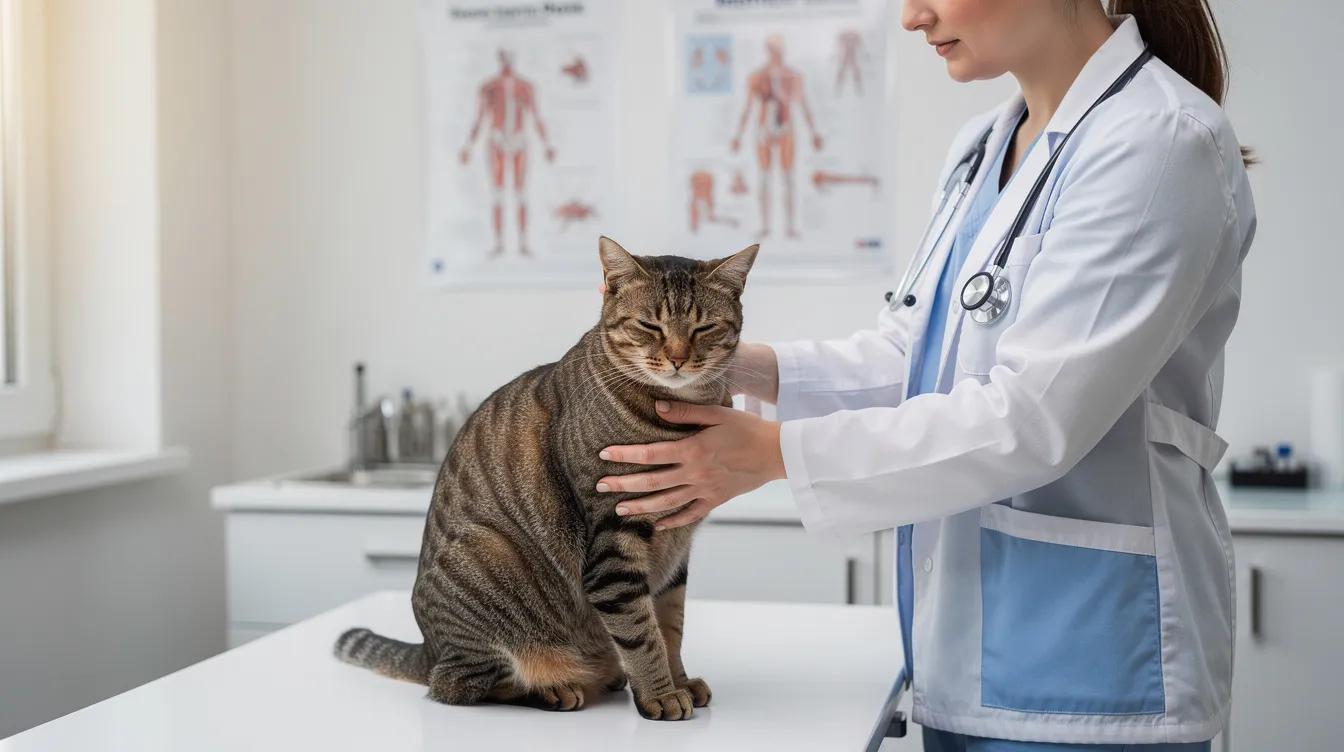
Visual and hands-on assessment of body condition gives far more useful information than weight alone, because two cats at the same weight can have very different amounts of excess fat versus lean muscle. A veterinary exam combined with a standardized body condition score is the most reliable starting point.
The standard 9-point BCS scale is widely validated in cats. A score of 4–5 out of 9 is considered ideal, meaning ribs are easily felt under a thin fat covering. Scores of 6–7 indicate an overweight cat, and 8–9 signal obesity. Research has shown that BCS correlates strongly with body fat percentage measured by advanced imaging (correlation ≈ 0.87), whereas raw body weight alone is much less reliable.
At-home checks you can do today:
-
Run your hands along the ribcage – you should feel ribs without pressing hard.
-
View your cat from above – there should be a visible waist behind the ribs.
-
Look from the side – the abdomen should tuck up behind the ribcage, not hang level or below it.
Signs of excess body condition include a round belly, a swinging abdominal fat pad (sometimes called an “apron”), and loss of a defined waist. If you notice these, it is time to discuss a weight loss program with your vet. Ask your veterinary team to record your cat’s current weight and BCS at every visit so you can track the trend over time.
What health risks do overweight cats face?
Even a couple of extra pounds above a cat’s ideal weight can significantly increase health risks and veterinary costs over a lifetime. The higher risk grows as body condition score increases.
Common obesity-linked conditions include:
-
Type 2 diabetes mellitus – obese cats face a higher risk of diabetes and liver disease due to chronic insulin resistance.
-
Osteoarthritis – excess weight can lead to joint pain and reduced mobility, making it painful to walk, jump, or play.
-
Respiratory and cardiac stress – fat around the thorax impedes lung expansion and forces the heart to work harder.
-
Lower urinary tract disease – overweight cats are more susceptible.
-
Hepatic lipidosis – particularly when an obese cat stops eating or undergoes rapid weight loss.
-
Skin and grooming issues – excess fat makes it harder for cats to groom their backs and around the tail, predisposing them to matting, skin infections, and hair coat problems.
Overweight cats are also less willing to play, jump, or use vertical spaces. This reduced activity perpetuates weight gain in a vicious cycle. Weight management is about protecting overall health and longevity, not just appearance.
How should I start a safe weight-loss plan for my cat?
The first step is always a veterinary visit. Your vet will rule out medical conditions that cause weight gain, assess body condition and muscle condition, and set realistic targets before you change anything about your cat’s diet or routine.
A pre-diet veterinary check typically includes:
-
Full history and physical exam
-
Body condition score and muscle condition score
-
Current weight recorded in pounds (and kilograms in brackets)
-
Detailed discussion of the cat’s food intake, treats, and daily activity
For middle-aged or older cats, the vet may recommend bloodwork and urine tests to screen for diabetes, hyperthyroidism, or kidney disease – all of which affect the safety of a weight loss plan.
Together with your veterinary team, you should agree on a target weight range, an approximate time frame, and a weekly loss rate. Cats should lose no more than 1% to 2% of body weight weekly. For a severely obese or medically fragile cat, the rate may be even slower. Veterinary guidance is essential for safe weight-loss plans – never change food or sharply cut portions on your own.
How do I choose the right diet to help my cat lose weight?
Weight-loss foods for cats are specially formulated to provide fewer calories while still delivering all essential nutrients and supporting lean muscle. They are not simply “less food.” Weight-loss foods should be calorie-restricted and nutrient-dense to prevent deficiencies during energy restriction.
Key characteristics of a veterinary-recommended diet for weight loss include:
-
High protein content (often 40–50% of metabolizable energy) to help maintain muscle mass and promote satiety
-
Controlled fat to reduce calorie density
-
Appropriate fiber to help the cat feel fuller
-
Lower carbohydrate levels aligned with obligate carnivore metabolism
High-protein, low-carbohydrate foods help maintain muscle mass during calorie restriction, and research shows cats on these diets lose less lean tissue compared to higher-carbohydrate formulas.
Over-the-counter “light” or “indoor” cat food formulas often reduce fat modestly but may not lower calories enough for true weight loss. They may also lack the precise nutrient balance needed when you are feeding fewer calories. Using regular maintenance food in smaller amounts risks nutritional deficiencies.
Both dry food and canned food (wet) options exist in veterinary weight-loss ranges. Higher-moisture diets like canned food may help some cats feel fuller on a larger volume and support urinary tract health. However, dry food can be more convenient and is easier to use in food puzzle feeders. The right food depends on the individual cat’s health, preferences, and any concurrent medical conditions – this choice should always be made with your veterinarian.
How many calories and how much food should my cat eat to lose weight?
Safe weight loss depends on feeding the correct number of calories for the cat’s ideal body weight, not its starting weight. Your vet will calculate a daily calorie allowance using formulas based on your cat’s current weight, target weight, body condition, and activity level.
A common approach is to calculate the resting energy requirement (RER) for the ideal weight and then feed at roughly 80% of that value. For example, a cat with an ideal weight of about 11 pounds (5 kg) has an RER of approximately 200 kcal per day; feeding at 80% of RER yields about 160 kcal per day for weight loss. Your vet will convert this into a precise food amount in grams or ounces of a specific diet.
Practical portion-control tips:
-
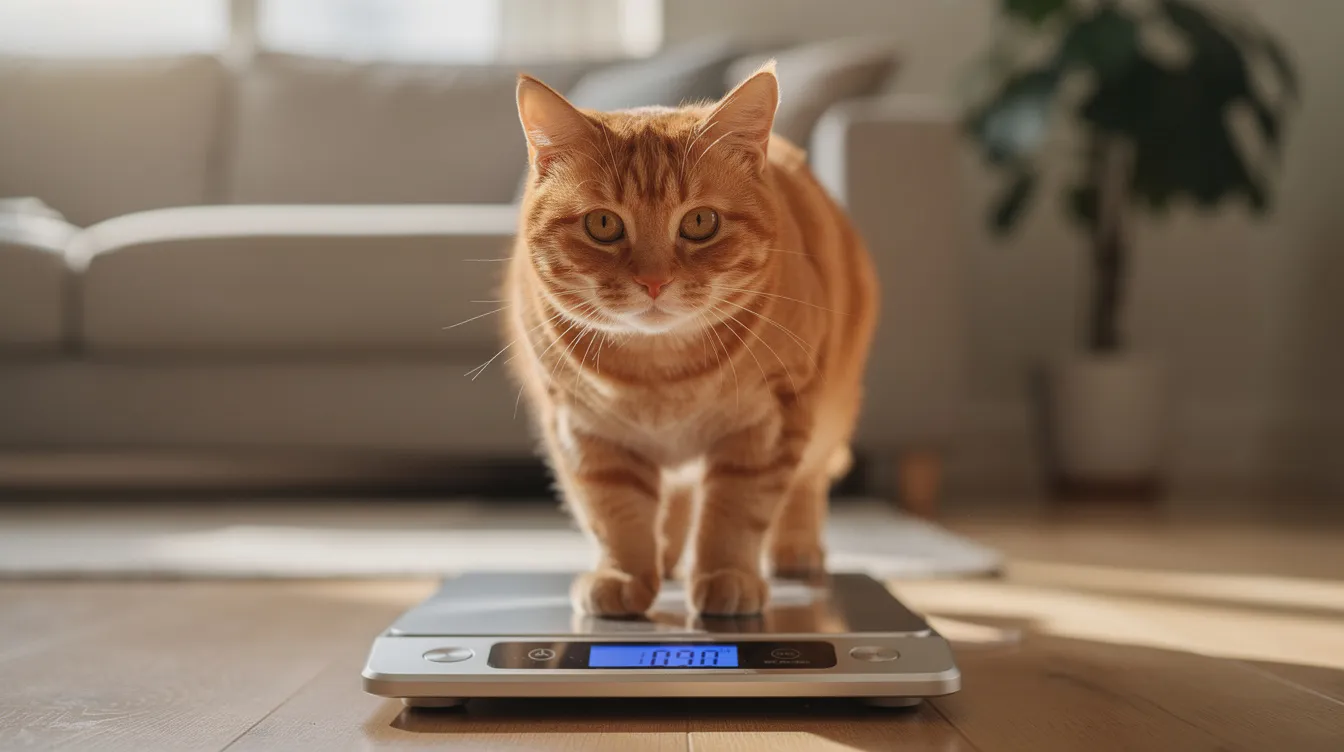
Use a kitchen gram scale to weigh food – never rely on a measuring cup or scoop alone, as these commonly lead to overfeeding by “rounding up.”
-
Weigh each meal, every time.
-
Treats, table scraps, and flavored medications all contribute extra calories. A typical rule is that no more than 10% of daily calories should come from treats.
-
Remove any leftover food after meals so you have an accurate picture of the cat’s food intake.
The plan may need adjustment every few weeks based on weight-loss progress, appetite, and changes in body condition. Do not reduce portions further without consulting your vet.
How do I switch my cat safely onto a new weight-loss diet?
Most cats should transition to a new diet gradually over about 10–21 days to reduce the risk of digestive upset and food refusal.
A typical stepwise schedule looks like this:
|
Days |
Old Food |
New Food |
|---|---|---|
|
1–4 |
75% |
25% |
|
5–8 |
50% |
50% |
|
9–12 |
25% |
75% |
|
13+ |
0% |
100% |
Adjust the pace for sensitive or picky cats. Practical tips to improve acceptance include slightly warming canned food, offering multiple small meals throughout the day, and feeding in a quiet, low-stress location. Check with your vet before adding any flavor-enhancing toppers.
If your cat stops eating for more than 24 hours, or eats significantly less than usual, contact your veterinary clinic immediately. In obese cats, even short periods of inappetence raise the risk of fatty liver disease. Do not abandon the plan too quickly – some cats need time to adapt to new food taste and texture – but persistent refusal requires veterinary input and possibly a different diet choice.
How can I manage treats, begging, and feeding routines?
Consistent feeding routines and careful treat choices make a weight loss plan sustainable for both cats and owners. Avoid high-calorie treats and instead use low-calorie options.
Practical treat strategies:
-
Set aside a small portion of the cat’s daily ration to use as “treats” throughout the day – this keeps the calorie budget intact.
-
Choose veterinary-approved low calorie options or measured small amounts of plain cooked lean meat if your vet permits.
-
Consider incorporating slow-feeder bowls or puzzle toys for eating, which slow consumption and provide mental stimulation.
Switch to measured meals instead of free feeding. Offer food at set times (typically two to three meals per day), and remove uneaten food after 20–30 minutes. Use an automatic feeder or timed feeder if your schedule is unpredictable.
Set clear household rules so every family member understands the cat’s diet and avoids slipping extra snacks. Record all treats given each day. If begging is severe, try providing play, grooming, or environmental enrichment instead of more food. If begging becomes distressing, discuss it with your veterinary team – they may adjust the diet for greater satiety.
How can I safely increase my cat’s activity to support weight loss?
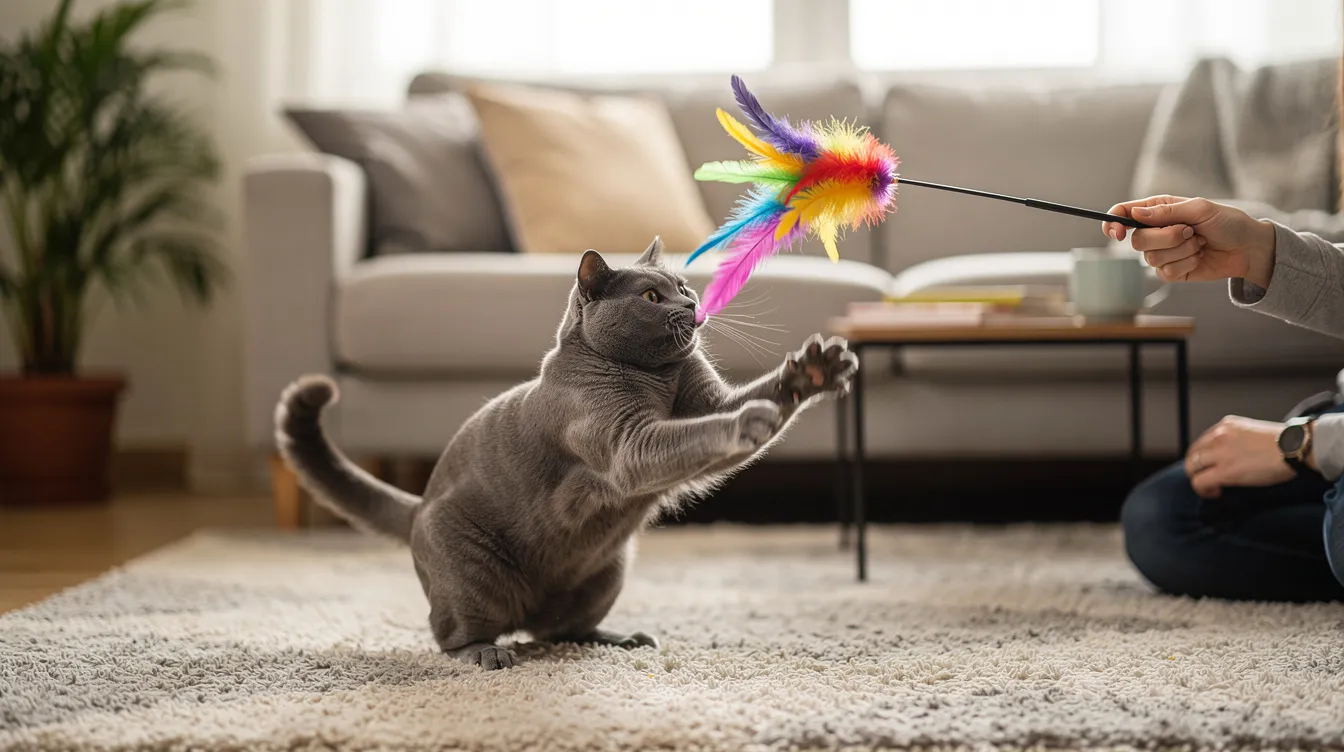
Many cats have low daily energy expenditure, especially indoor cats. Short, frequent play sessions can help them burn calories, build muscle, and improve mental well being. Engaging cats in play can boost their metabolism and contribute meaningfully to healthy weight loss.
Effective play ideas include:
-
Wand toys that mimic prey movement – interactive games mimic hunting and encourage movement
-
Laser pointers used safely, always ending with a tangible toy the cat can “catch”
-
Soft balls, crinkle toys, and climbing structures like cat trees or wall shelves
-
Food puzzle feeders and dispensing toys – feeding toys can stimulate natural hunting behaviors and turn mealtime into physical activity
Schedule daily play sessions of 5 to 15 minutes to increase physical activity. Short play sessions are more effective than long ones, so aim for several brief bursts spread through the day rather than one marathon. Small portions of kibble can be hidden around the house to encourage movement and mimic foraging.
Adapt intensity to the cat’s age, fitness, and any joint or heart issues. Stop if the cat shows signs of fatigue or breathing difficulty. Cats with arthritis or other mobility problems may benefit from veterinary-prescribed pain management before or alongside increased exercise.
How should I monitor my cat’s weight loss and adjust the plan?
Regular monitoring keeps weight loss safe, prevents plateaus from being overlooked, and lets the veterinary team fine-tune the plan. Reassess your cat’s weight within one week of starting a diet, then monitor your cat’s weight every two weeks during weight loss.
How to track progress:
-
Weigh the cat every 1–2 weeks at the vet clinic or at home on a reliable digital scale.
-
Record weights alongside notes on appetite, activity level, stool quality, and coat condition.
-
Cats should lose 1% to 2% of body weight per week. For context, a 15 lb cat should lose about 0.08 to 0.30 lb weekly.
-
Slower rates may be appropriate for very obese, senior, or medically fragile cats.
If the cat’s weight loss is too slow, the vet may modestly reduce daily calories or suggest more calories burned through activity. If weight is dropping too quickly – risking rapid weight loss – the vet may increase calories or reassess for underlying disease.
Once the cat reaches its target weight, transition to a maintenance phase. Gradually increase caloric intake to match maintenance energy needs, maintain activity, and continue regular check ups with weigh-ins every 1–3 months to guard against regain.
How do I help my cat lose weight in a multi-cat household?
Feeding more than one cat with different dietary needs under one roof is challenging, but manageable with planning. Many cats in the same home will try to steal each other cat’s food if given the chance.
Strategies that work:
-
Separate feeding: Feed the overweight cat behind a closed door or in a separate room with its recommended diet and controlled food amount.
-
Microchip-activated or collar-activated feeders: These ensure only the right cat accesses the right food.
-
Measured, timed meals: Offer meals at set times rather than free feeding, and remove uneaten food between meals so there is less opportunity for food theft.
-
Vertical feeding spaces: If the vet approves, place the other cat’s food on an elevated surface that the overweight cat cannot reach, while the overweight cat eats its controlled meal at floor level.
-
Multiple feeding stations in quiet locations: Reducing stress and competition around food helps prevent both overeating and under-eating in a multi-cat home.
Always provide fresh water at every feeding station regardless of the cat’s diet.
When should I contact my veterinarian during my cat’s weight-loss program?
A weight loss program should be actively supervised, not “set and forget.” Timely communication with your veterinary team keeps the cat safe and the plan on track. Regular veterinary check-ups are essential during weight loss.
Contact your vet promptly if:
-
The cat refuses food for more than 24 hours
-
Vomiting, diarrhea, or lethargy develops
-
The cat has trouble breathing or becomes suddenly less active
-
Weight drops faster than the planned rate
-
You notice sudden changes in behavior, grooming, or appetite
Arrange an initial follow-up visit within about 1–2 weeks of starting the new food, then schedule regular check ups every few weeks until the cat reaches its target weight. Bring or send a detailed food and treat diary, plus notes on activity and behavior, to each recheck so the team can accurately adjust the plan.
Never restart old food, stop medication, or double activity levels abruptly without professional guidance – especially in older cats or those with chronic health issues.
Frequently Asked Questions
How long will it take for my cat to reach a healthy weight?
The time frame depends on starting weight, target weight, the cat's health, and weekly loss rate. Because cats should lose 1% to 2% of body weight per week, a cat needing to lose about 6.6 pounds (3 kg) might take anywhere from 24 to 60 weeks. Patience is essential - healthy weight loss is a marathon, not a sprint.
Can kittens or senior cats go on a weight-loss plan?
Growing kittens should not be calorie-restricted without specialist veterinary input, as they need adequate energy and nutrients for development. Senior cats can lose weight safely, but only after careful assessment for underlying disease such as kidney disease or hyperthyroidism, and with closer, more frequent monitoring to protect muscle mass and overall health.
Is it ever normal for a cat to lose weight without trying?
No. Unintentional weight loss is not considered normal and can signal conditions like diabetes, hyperthyroidism, kidney disease, or cancer. Any unexplained change in body weight or body condition score - whether gain or loss - should prompt a veterinary visit.
Does neutering or spaying make my cat gain weight?
Spayed and neutered cats tend to have lower calorie needs and a higher tendency toward weight gain if food intake is not adjusted after surgery. Early portion control, regular body condition checks, and start feeding measured meals rather than free feeding are especially important in the months following the procedure.
Should I use weight-loss supplements or "fat burners" for my cat?
There is limited veterinary evidence supporting most commercially available supplements marketed for feline weight loss. Some ingredients like L-carnitine or omega-3 fatty acids may play a supportive role when prescribed by a vet, but unregulated "fat burners" can be unsafe or interfere with medical conditions. Diet, measured calories, and guided physical activity remain the proven, safe methods. A balanced diet and veterinary oversight are always the foundation.
References
- AAHA Weight Management Guidelines for Dogs and Cats. Journal of the American Animal Hospital Association . 2014;50(1):1–11. Recommendations on safe weight-loss rates, calorie calculation, and structured weight-management programs.
- World Small Animal Veterinary Association (WSAVA) Global Nutrition Committee. Global Nutrition Guidelines . WSAVA; 2011 (and subsequent updates). Guidance on body condition scoring, calorie estimation, and obesity management.
- Association for Pet Obesity Prevention. U.S. Pet Obesity Survey Results . Ongoing data on prevalence of overweight and obese cats and dogs.
- Laflamme DP. Development and validation of a body condition score system for cats: a clinical tool. Feline Practice . 1997;25(5–6):13–18.
- Bjornvad CR, Nielsen DH, Armstrong PJ, et al. Evaluation of a nine-point body condition scoring system in physically inactive pet cats. American Journal of Veterinary Research . 2011;72(4):433–437.
- German AJ. Weight management in obese pets: the tailoring concept and how it can improve results. Acta Veterinaria Scandinavica . 2016;58(Suppl 1):57.
- Scarlett JM, Donoghue S. Associations between body condition and disease in cats. Journal of the American Veterinary Medical Association . 1998;212(11):1725–1731.

Georgia Woods
RVN — ROYAL CANIN® Weight Management Clinic Nurse
Georgia Woods trained as a Veterinary Nurse in 2001 and qualified in 2004, going on to run nurse-led obesity clinics and work in emergency and critical care. She completed the ROYAL CANIN® Pet Health Councillor course, and since 2015 has been the ROYAL CANIN® Weight Management Clinic Nurse at the University of Liverpool Small Animal Teaching Hospital, where she works exclusively with obese pets.
This article is for general information only and is not a substitute for professional veterinary advice. Always consult your veterinary surgeon about the health of your pet.