Does Neutering Make Dogs Gain Weight?
Medically reviewed by Dr. Alex German, BVSc PhD CertSAM DipECVIM-CA — Reader in Small Animal Medicine, University of Liverpool
Key Takeaways
- Neutering does not directly create fat , but neutered dogs are three times more likely to be overweight compared to intact dogs if diet and exercise are not adjusted.
- The first two years after surgery are the highest-risk window for weight gain. Proactive monitoring of your dog's weight during this period is essential.
- Neutered pets need 20–30% fewer calories post-surgery. Without reducing food intake, many dogs will steadily gain excess weight.
- A neutered dog can maintain a healthy weight for life with the right diet, measured portions, and regular physical activity.
- All weight-loss plans and major diet changes should be supervised by a veterinarian , with a safe loss rate of about 1–2% of body weight per week.
Neutering can lead to weight gain in dogs, but it does not have to. The procedure creates metabolic and hormonal shifts that make weight gain more likely, yet with the right feeding, exercise, and monitoring, a neutered dog can stay lean and healthy for life. This guide from the ROYAL CANIN Weight Management Clinic explains exactly what changes to expect and how to respond.
Does neutering really make dogs gain weight?
Yes, neutering increases the risk of weight gain, but obesity is not inevitable. After the procedure, many dogs’ energy needs drop while their appetite may increase, creating a calorie surplus if they continue to eat the same amount. Research involving nearly 2,000 dogs found that neutered animals had a statistically significant greater risk of becoming overweight compared to intact dogs, and a large US study of over 155,000 dogs confirmed elevated hazard ratios for overweight or obese outcomes in neutered animals.
Both male dogs and spayed females are affected. Certain breeds, such as Labrador Retrievers and Beagles, are genetically more prone to weight gain after neutering, but the trend is seen across many breeds and sizes. Dogs neutered at different ages experience various metabolic shifts, though the risk of weight gain is especially high in the first couple of years after surgery. Proactive monitoring matters.
It is worth remembering that neutered pets still gain important health and behavioral benefits from the procedure, including prevention of unwanted litters and reduction in certain reproductive diseases. Careful weight management protects those benefits.
How does neutering change my dog’s metabolism and appetite?
When a dog is neutered, the removal of the testes or ovaries reduces sex hormones like testosterone and estrogen. These certain hormones do more than control reproduction: they play direct roles in regulating metabolism, fat distribution, and activity levels. Without them, the body’s energy needs shift.
Neutering reduces a dog’s metabolic rate by 20–30%, meaning a neutered dog burns fewer calories at rest than before surgery. Neutered pets have a 28–33% lower metabolic rate overall. The effect is not limited to dogs: neutering can lead to a 28–33% lower metabolic rate in cats as well.
At the same time, hormonal changes after neutering can alter appetite signals. Neutering can increase appetite by up to 25%, driven partly by changes in hunger-related hormones like ghrelin and leptin. Loss of estrogen in particular influences appetite and can lead to increased food intake in pets, even when their calorie needs have dropped. The net result is that a neutered dog may want to eat more calories while needing fewer – a recipe for weight gain if portions are not adjusted.
Neutering also decreases physical activity due to hormonal changes, compounding the imbalance. Some dogs will gain weight very easily, while others maintain their weight with only small adjustments to food and exercise. Individual variation is real, but the metabolic trend is consistent.
When are neutered dogs most at risk of weight gain?
Timing matters. The period immediately after surgery and the following 12–24 months is a critical window. Research on nearly 2,000 dogs showed the elevated risk of becoming overweight was particularly pronounced in the first two years after neutering.
If pet owners continue feeding the same portions the dog received before surgery, the dog is likely to gain weight in the first few months. Dogs that are neutered are twice as likely to become overweight without dietary changes during this period. Young dogs still finishing growth need particularly careful monitoring, because their calorie needs are changing due to both age and the effects of neutering.
Weight gain is often gradual – perhaps just a few pounds over many months – which makes it easy for most dog owners to miss without regular weighing or body condition checks. Setting a baseline body weight and body condition score shortly before or at the time of surgery makes it far easier to spot early, subtle changes.
How can I tell if my neutered dog is gaining too much weight?
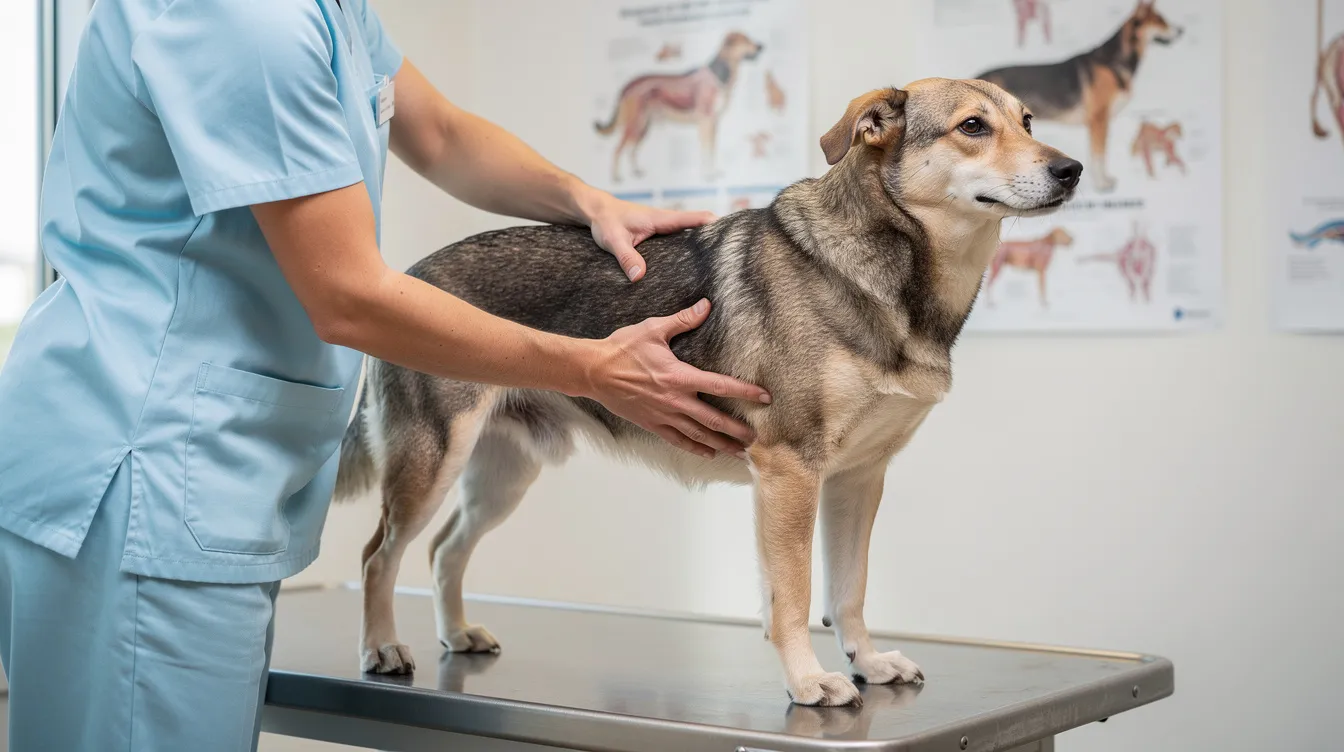
Scales alone are not enough. A body condition score system, combined with hands-on assessment of the dog’s body, gives a more reliable picture of whether a pet is carrying excess weight or sitting at an ideal body condition.
At a healthy weight:
-
Ribs should be easy to feel with light pressure, without a thick fat layer.
-
A waist should be visible when viewed from above.
-
An abdominal “tuck” should be visible from the side.
Signs that a neutered dog may be gaining too much include ribs that are hard to feel, loss of the waistline, and fat pads developing over the lower back or base of the tail. Dogs that are subsequently diagnosed as overweight often show these changes long before the number on the scale looks alarming.
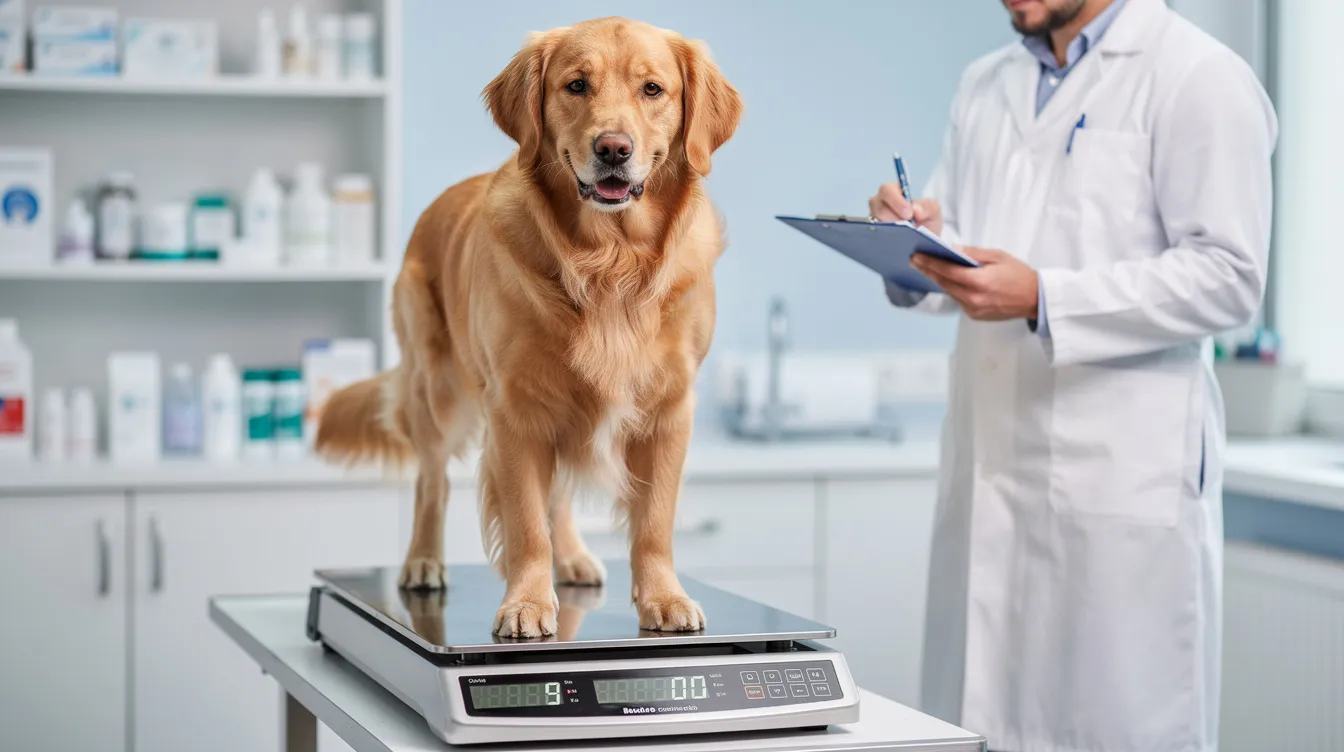
Monitoring a dog’s weight regularly is necessary to prevent obesity post-neutering. Ask your veterinarian or veterinary nurse to demonstrate body condition scoring during routine visits, especially around neutering time. Regular weight checks help prevent obesity in neutered pets, so weigh your dog at the clinic or on a reliable home scale and record the pet’s weight in pounds (with kilograms in brackets the first time, e.g., 44 lbs [20 kg]) to track trends over time.
How much should I feed my neutered dog to prevent weight gain?
Many neutered dogs need fewer calories than before surgery, and simply following the bag feeding guide without adjustment may lead to weight gain. Neutered pets need 20–30% fewer calories post-surgery compared to their pre-neuter requirements. In practical terms, neutered dogs may require 75–80% of the food of unneutered dogs of the same size and breed.
Here is a practical approach:
-
Work with your vet to calculate a daily calorie target based on the dog’s ideal weight, not current weight.
-
Reduce total daily food intake modestly compared with pre-surgery levels, then adjust every few weeks based on weight and body condition trends.
-
Measure food accurately using a gram scale or standardized measuring cup. Just “eyeballing” portions or free-feeding is risky – free-feeding practices can lead to rapid weight gain in neutered dogs.
-
Account for everything the dog eats, including treats and table scraps, in the daily calorie budget.
Weight-loss or weight-control diets are designed to provide adequate protein and nutrients in fewer calories, which is safer than simply feeding much less of a standard maintenance food. For puppies and large-breed young dogs, calorie adjustments after neutering are more complex, so veterinary guidance is particularly important.
Always consult your own veterinarian before changing your dog’s diet. Weight loss should be supervised at roughly 1–2% of body weight per week.
What type of diet is best for a neutered dog’s weight management?
Diet quality matters as much as quantity. Neutered dogs benefit from foods that are lower in calories but higher in high-quality protein and fiber to help maintain muscle and promote satiety. Successful weight management post-neutering involves a balanced diet, portion control, and regular exercise working together.
Key dietary considerations include:
-
Higher protein helps preserve lean body mass during weight control, which supports a healthier metabolic rate. Research shows diets providing approximately 94 g of protein per 1,000 kcal of metabolizable energy helped maintain body composition, while lower-protein diets allowed fat mass to increase even without large changes in body weight.
-
Increased dietary fiber can help suppress appetite and keep dogs feeling fuller on fewer calories. This is valuable for neutered dogs that act hungry even when their calorie needs are met. Some dog owners offer low-calorie fillers like green beans as a snack, though these should complement – not replace – a complete diet.
-
Light diets formulated for adult maintenance or weight control can help manage weight in neutered dogs and are preferable to home-prepared or highly caloric diets unless supervised by a veterinary nutritionist.
If your neutered dog is already overweight or has obesity-related health problems, ask your veterinarian about therapeutic weight management diets. Avoid giving more calories than planned through unaccounted treats or table scraps.
How much exercise does a neutered dog need to avoid gaining weight?
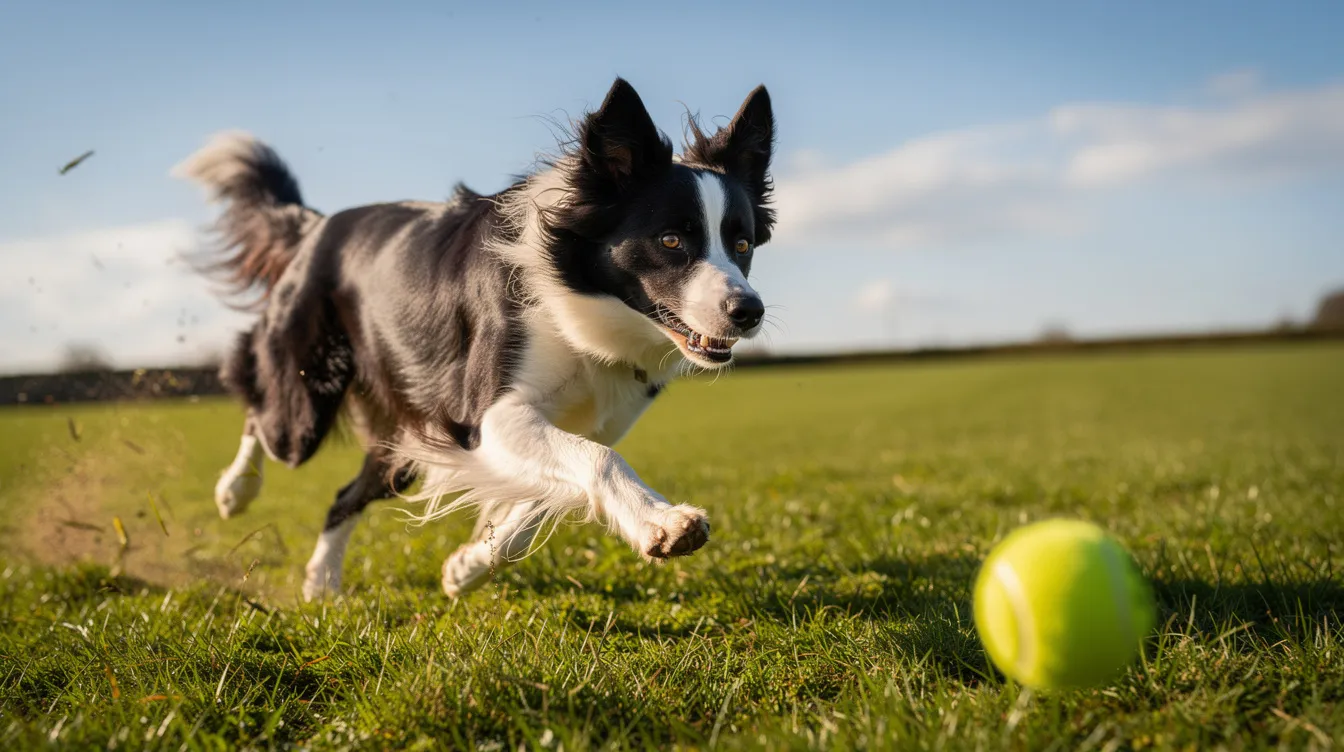
Physical activity remains essential for a neutered dog’s weight control. Exercise burns energy, preserves muscle mass, and supports mental wellbeing across a dog’s life. Neutered dogs should engage in at least 30 minutes of exercise daily, though many healthy adult dogs benefit from more.
Because neutering decreases physical activity due to hormonal changes, dog owners often need to be more deliberate about scheduling exercise rather than relying on the dog to self-exercise. Consider:
-
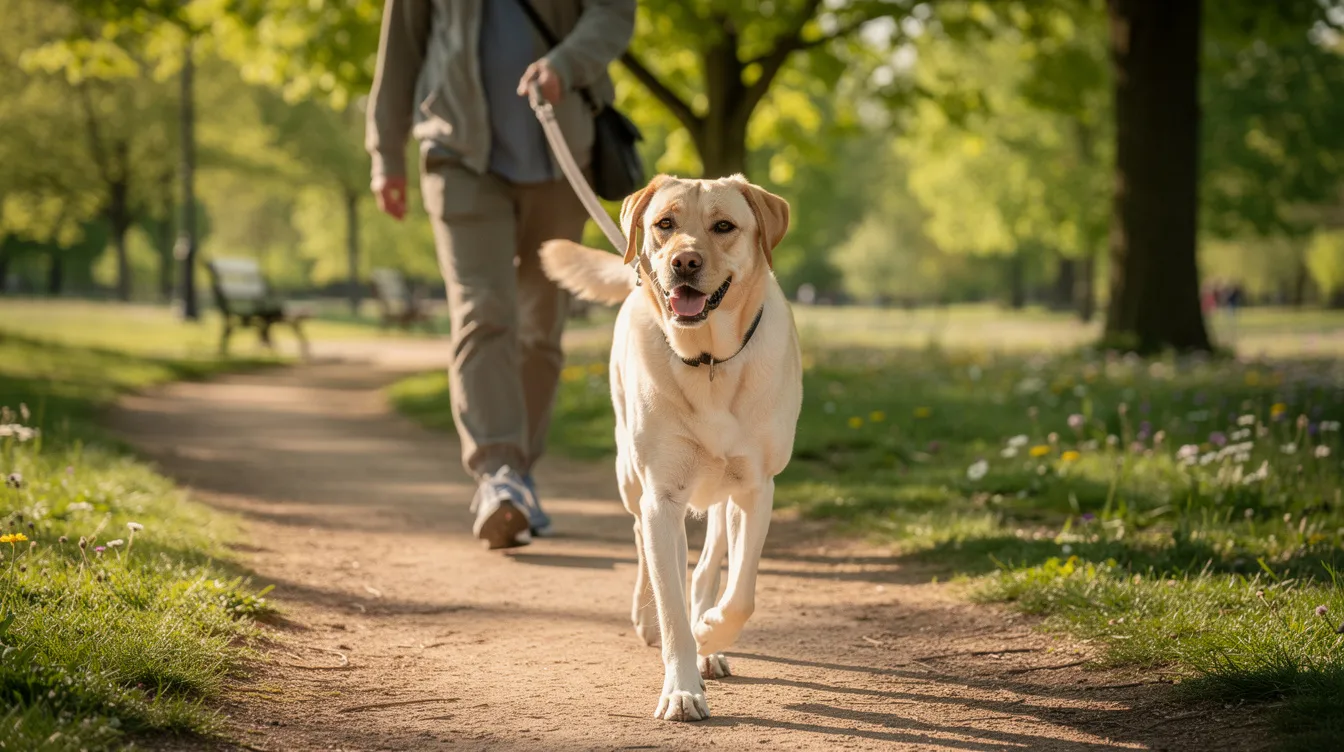
Brisk leash walks or jogging twice daily
-
Fetch, tug, or off-leash running where safe
-
Nose-work games and structured play sessions, suitable for both large and small breeds
-
Swimming for dogs with joint problems or limited mobility
Any new or more intense exercise routine should be introduced gradually. Discuss changes with your veterinarian, especially for dogs with joint disease or other health conditions.
How can I safely help an overweight neutered dog lose weight?
Intentional weight loss should always be planned with a veterinarian, aiming for about 1–2% of the dog’s body weight per week. Faster weight loss can lead to muscle loss and nutritional deficiencies.
A typical plan combines:
-
A calorie-restricted, nutrient-dense diet tailored to the dog’s age, breed, and medical history
-
Controlled, gradually increasing exercise
-
A clear target weight – ideally the dog’s known healthy adult weight – used to calculate daily calories and feeding amounts
Frequent weigh-ins every 2–4 weeks, along with body condition scoring, help ensure the dog is losing fat rather than muscle and allow timely calorie adjustments. It is not unusual for a plan to need fine-tuning as the dog approaches its ideal weight.
Veterinary referral weight management services, such as the ROYAL CANIN Weight Management Clinic at the University of Liverpool Small Animal Teaching Hospital, can offer detailed coaching and individualized plans for challenging cases where a dog has struggled to lose weight under standard guidance.
Should I be worried that neutering will hurt my dog’s long-term health?
Neutering has important benefits. It prevents unwanted litters, reduces the risk of certain diseases such as mammary, ovarian, and testicular cancers, and can improve some behavioral issues. The American Veterinary Medical Association and other professional bodies recognize spay neuter procedures as a core element of responsible pet ownership.
However, obesity itself poses serious threats to long term health. Dogs carrying excess weight face increased risk of joint problems, reduced mobility, cardiovascular stress, impaired blood sugar regulation – since maintaining a healthy weight controls blood sugar more effectively – and shorter life expectancy. Overweight and obese pets may be subsequently diagnosed with conditions that further limit quality of life.
The good news: in most dogs, the health benefits of neutering can be fully enjoyed while keeping weight gain risk low, provided diet and exercise are adjusted promptly. Discuss the ideal timing of neutering, breed-specific considerations, and a preventive weight-management plan with your own veterinarian before surgery.
A neutered dog can maintain a healthy body condition, remain active, and enjoy a normal life expectancy when weight is well controlled. Most dog owners who feed appropriately and keep their dogs active will find that neutering does not diminish their pet’s quality of life.
Frequently Asked Questions
Will my dog automatically gain weight after being neutered?
No, weight gain is not automatic. Neutering increases the risk of gaining weight because it lowers metabolism and may boost appetite, but if food portions are adjusted and activity is maintained, many dogs keep a healthy body condition. The key is to plan changes proactively rather than wait for visible weight gain.
How soon after neutering should I change my dog's diet?
Plan feeding changes with your veterinarian before surgery and put them in place as soon as the dog has recovered from the immediate post-operative period. Waiting until the dog is visibly overweight means the calorie surplus has already been accumulating for weeks or months. Early action during the first two years is far more effective than trying to reverse established obesity.
Is it harder for a neutered dog to lose weight once they are overweight?
It can be more challenging because neutering lowers calorie needs, so there is less room for calorie reduction before nutritional adequacy is compromised. However, with a structured, veterinary-supervised plan using a nutrient-dense, calorie-restricted diet and controlled exercise, most neutered dogs can still lose weight safely at about 1–2% of body weight per week.
Do puppies neutered early have a different risk of weight gain than adults?
Both early-neutered and later-neutered dogs can experience weight gain if feeding is not adjusted. Growing dogs have shifting energy needs that make calorie calculations more complex, so individualized feeding plans from a veterinarian are especially important for puppies.
Should I avoid treats completely for my neutered dog?
You do not need to eliminate treats entirely, but you should limit them. Choose low-calorie options, keep treats to no more than 10% of daily calories, and subtract their calorie value from the total daily food allowance. Avoid table scraps and high-fat commercial treats, which add more calories than most pet owners realize.
References
- Lefebvre SL, Yang M, Wang M, et al. Effect of age at gonadectomy on the probability of dogs becoming overweight. Journal of the American Veterinary Medical Association . 2013;243(2):236–243.
- Benka VA, McCune S, Gould D, et al. Evaluation of gonadectomy as a risk factor for overweight or obesity in dogs using electronic medical records. Journal of the American Veterinary Medical Association . 2023;261(8):1172–1180.
- Jeusette I, Detilleux J, Cuvelier C, et al. Ad libitum feeding following ovariectomy in female Beagle dogs: effect on maintenance energy requirement and on blood metabolites. Journal of Animal Physiology and Animal Nutrition . 2004;88(3–4):117–121.
- Schauf S, Wittig M, Becker C, et al. Effect of a high-protein high-fiber diet on body composition, metabolic profile, and N-balance in spayed female dogs. BMC Veterinary Research . 2020;16:59.
- WSAVA Guidelines for the Control of Reproduction in Dogs and Cats. Journal of Small Animal Practice . 2024;65(4):205–268.
- WSAVA Global Nutrition Guidelines. World Small Animal Veterinary Association. 2011 (updated toolkit available at wsava.org).

Georgia Woods
RVN — ROYAL CANIN® Weight Management Clinic Nurse
Georgia Woods trained as a Veterinary Nurse in 2001 and qualified in 2004, going on to run nurse-led obesity clinics and work in emergency and critical care. She completed the ROYAL CANIN® Pet Health Councillor course, and since 2015 has been the ROYAL CANIN® Weight Management Clinic Nurse at the University of Liverpool Small Animal Teaching Hospital, where she works exclusively with obese pets.
This article is for general information only and is not a substitute for professional veterinary advice. Always consult your veterinary surgeon about the health of your pet.