Health Risks of Obesity in Dogs
Medically reviewed by Dr. Alex German, BVSc PhD CertSAM DipECVIM-CA — Reader in Small Animal Medicine, University of Liverpool
Key Takeaways
- Obesity in dogs increases the risk of joint disease, diabetes, breathing difficulties, heart problems, and a shorter lifespan. It is one of the most common preventable medical conditions in dogs.
- Even modest excess weight - roughly one body condition score point above ideal - is associated with measurably higher health risks. A large study of over 50,000 dogs found that overweight dogs lived up to 2.5 years less than dogs at a healthy weight.
- Safe weight loss for most overweight dogs is around 1–2% of the dog's body weight per week under veterinary supervision. Dog owners should never start a drastic diet change or intense exercise program without speaking to their vet first.
- The ROYAL CANIN Weight Management Clinic at the University of Liverpool focuses specifically on helping overweight dogs and overweight cats lose weight safely through evidence-based nutrition, close monitoring, and individualized plans that improve pet health and quality of life.
- Early action matters. Noticing changes in your dog's weight, body condition, or energy levels and addressing them promptly can prevent many long-term complications and help your companion animals live a healthier life.
Obesity in dogs is far more than just a cosmetic issue. It is a chronic condition that affects joints, organs, breathing, and daily comfort, and it can shorten a dog’s lifespan by nearly two years. The good news is that with early recognition, veterinary guidance, and consistent effort, most dogs can reach and maintain a healthy weight that supports a longer, more active life.
What Is Obesity in Dogs and Why Does It Matter?
Obesity in dogs is defined as an excess of body fat that negatively affects health or worsens existing disease. In simple terms, a dog that is considered overweight carries more fat tissue than is healthy but may not yet show severe clinical signs. A dog that is considered obese has a more marked excess that significantly raises disease risk. The distinction matters because even moderate excess body weight can quietly damage organs and joints over time.
Most veterinarians assess a dog’s body condition using body condition scores on either a 1-to-5 or 1-to-9 scale. On a 5-point scale, a body condition score of 3 is ideal for dogs. On a 9-point scale, 4 to 5 represents a healthy weight, while scores of 6 to 7 indicate an overweight dog and 8 to 9 indicate an obese dog. A dog’s ideal weight must be assessed beyond breed or scale number alone – body composition and fat distribution matter just as much.
Dogs obesity typically develops gradually over months to years as calorie intake quietly exceeds energy use. Because the change is slow, it is easy for pet owners to miss until health problems appear. Large surveys in North America consistently report that up to 65% of dogs in the U.S. are overweight or obese, making this one of the most common nutrition-related pet health issues seen in general practice.
The rest of this article focuses on the specific health risks of obesity in dogs, how to recognize an unhealthy body condition, and how a vet-guided weight loss plan can help your dog lose weight safely.
How Can I Tell If My Dog Is Overweight or Obese?
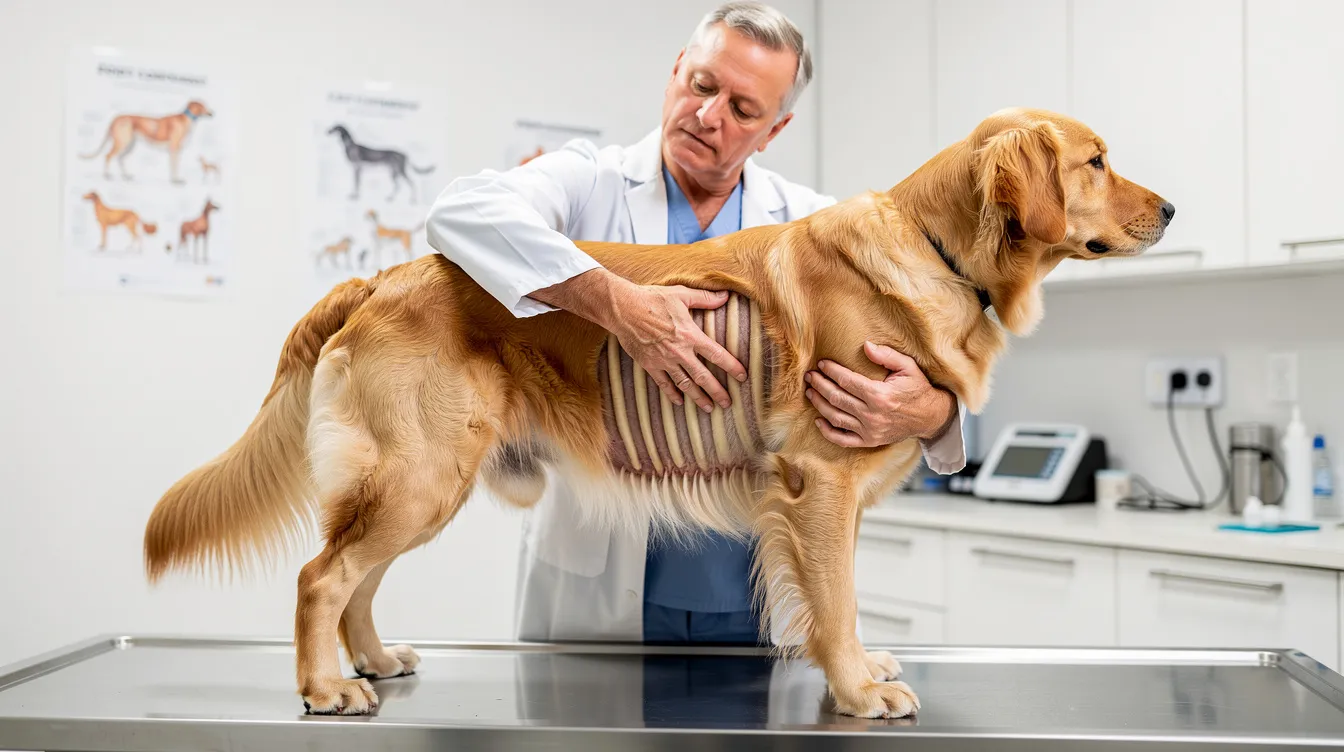
A number on the scale alone does not tell you whether your dog is at a healthy weight. Visual and hands-on assessment of your dog’s body condition is more reliable for judging weight status. Here is how to perform a simple at-home check:
-
Rib check: Run your hands along your dog’s ribs with light pressure. You should feel, but not see, your dog’s ribs under a thin layer of fat. If you cannot feel them at all, your dog may be carrying excess weight.
-
Waist from above: Looking down at your dog from above, there should be a visible narrowing behind the ribs. A dog that looks rectangular or barrel-shaped from this angle may be overweight.
-
Abdominal tuck: Viewed from the side, the belly should tuck upward from the chest toward the hind legs. A sagging or flat belly line suggests extra body fat.
Each point above ideal on a 9-point body condition score roughly corresponds to about 10% excess body weight. Dogs 10% over ideal weight are considered overweight. To put that in perspective, a medium-sized dog with an ideal body weight of 50 pounds (23 kg) that scores a 7 out of 9 may be carrying roughly 10 extra pounds. A 20% overweight dog weighs 15 lbs more than ideal if the target weight is 75 pounds.
Certain dog breeds with heavy coats or stocky builds – for example, Labrador Retrievers, Beagles, and Pugs – may appear “normal” when they are actually overweight. Touch is more reliable than sight alone with these breeds. Ask your veterinarian or veterinary nurse to demonstrate body condition scoring during a routine visit, because only a veterinary professional can reliably determine whether a dog’s weight is healthy.
Which Dog Breeds and Life Stages Are Most at Risk?
Obesity in dogs is influenced by genetics, age, sex, and reproductive status, but any dog can become overweight if calories exceed energy needs over time.
Studies have identified several dog breeds with a higher predisposition to weight gain, including:
-
Labrador Retrievers
-
Golden Retrievers
-
Cocker Spaniels
-
Beagles
-
Dachshunds
-
Pugs
Certain breeds like Labradors are predisposed to obesity in part because of genetic differences in appetite regulation. However, a genetic tendency does not make obesity inevitable – it simply means dog owners with these breeds should be more vigilant.
Middle-aged and older adult dogs tend to have lower metabolic rates, and neutering can further reduce energy requirements. Without a diet change to match these shifting needs, weight gain becomes more likely. Small dog breeds can accumulate excess body fat with what seems like a very small extra food amount. For a 10-pound (4.5 kg) dog, even a few extra kibbles represent a large percentage of daily calories.
If your dog falls into an at-risk breed or life stage, be especially proactive about monitoring body condition, weighing regularly, and working with your veterinary team to maintain ideal body condition throughout life.
What Everyday Habits Lead to Weight Gain in Dogs?
Dogs obesity usually results from a combination of lifestyle factors rather than a single mistake. Small daily choices add up over weeks and months.
Common feeding-related causes include:
-
Free-choice feeding, where food is left in the food bowl all day
-
Frequent table scraps and human foods given as snacks
-
Excessive treats that are not counted toward daily calorie totals
-
Overfilled food bowls and using a “cup” that is not a standardized measuring cup
Overfeeding is a primary cause of obesity in dogs. Many pet owners underestimate how many calories their dog receives when treats, dental chews, and table scraps are added on top of regular meals.
Inadequate exercise contributes to obesity in dogs as well. Modern, more sedentary lifestyles – short walks, mostly indoor living, fewer play sessions – reduce energy expenditure and make it harder for most dogs to burn off extra calories. Well-meaning behaviors like giving extra snacks to show affection, or multiple family members feeding the dog without coordination, quietly increase a dog’s weight over time.
In some dogs, underlying medical conditions can contribute to weight gain. Hypothyroidism can lead to obesity in dogs by slowing metabolism. Cushing’s disease is a medical condition that causes obesity through hormonal imbalance. Both reinforce the need for veterinary examination before starting any diet change.
How Does Excess Weight Affect My Dog’s Joints and Mobility?
Those extra pounds place additional mechanical stress on weight-bearing joints – especially the hips, knees, elbows, and spine. Large dog breeds and dogs with existing orthopedic issues such as hip dysplasia or cruciate ligament disease are particularly vulnerable. Obesity can lead to arthritis due to increased stress on joints, and it accelerates the progression of osteoarthritis in dogs that already have early joint changes.
Beyond the physical load, fat tissue also acts as a biologically active, hormone-producing organ that releases inflammatory chemicals. Chronic inflammation from excess fat blunts immune response in dogs and worsens osteoarthritis pain far beyond what the extra weight alone would explain. Fat cells are not passive storage – they actively drive disease processes throughout the body.
Common mobility-related signs in overweight dogs include:
-
Stiffness after rest or sleep
-
Reluctance to climb stairs or jump into the car
-
Lagging behind on walks or exercise intolerance
-
Difficulty rising from lying down, especially in the hind legs
Controlled weight loss has been shown in clinical studies to improve lameness scores and comfort in dogs with arthritis. An international trial across 340 veterinary practices found that dogs that lost an average of about 11% of starting body weight showed meaningful improvements in activity and mobility. Even modest weight reduction can make moving easier for your dog.
Any new or worsening mobility problem should prompt a veterinary check. Exercise plans to help a dog lose weight should be tailored by the veterinary team to avoid overloading painful joints.
What Internal Organs Are Affected by Obesity in Dogs?
Obesity is not just a cosmetic issue – it is a chronic, low-grade inflammatory state that can affect multiple organ systems and shorten a dog’s life expectancy. Excess adipose tissue alters a dog’s physiology and shortens lifespan through several interconnected pathways.
Respiratory system: Excess fat around the chest and abdomen compresses the lungs and reduces the space available for breathing. Research has found that markedly obese retrievers had significantly higher airway resistance during increased breathing compared with non-obese dogs. Obese dogs face higher risks of complications during anesthesia, including areas of lung collapse and poorer oxygen exchange during surgery.
Heart and circulation: Obese dogs often experience cardiovascular strain and respiratory distress. Studies have documented left atrial enlargement, changes in heart conduction, and reduced cardiac function in overweight dogs – even before overt heart disease develops. Excess weight can contribute to high blood pressure, further increasing the workload on the heart and blood vessels.
Kidneys and liver: Obesity may contribute to kidney disease by altering renal blood flow and causing early glomerular and tubular injury. Fatty liver syndrome occurs in overweight dogs, impairing liver function through fat accumulation in liver cells. Both kidney and liver disease can progress silently before standard blood tests detect a problem.
Endocrine and metabolic function: Overweight dogs commonly show insulin resistance, elevated cholesterol and triglycerides, and altered hormone balance – all of which set the stage for more serious metabolic disorders.
While obesity does not guarantee any specific disease, veterinary research has consistently linked higher body condition scores with increased risk and severity of these health problems.
Does Obesity Increase the Risk of Specific Diseases in Dogs?
Overweight dogs have higher odds of several well-recognized health problems. Maintaining a healthy weight can reduce the likelihood or severity of these conditions.
Key diseases and conditions associated with obesity include:
|
Condition |
How obesity contributes |
|---|---|
|
Osteoarthritis |
Mechanical joint stress plus inflammatory mediators from fat tissue |
|
Respiratory disorders |
Reduced lung capacity, airflow limitation, heat intolerance |
|
Insulin resistance / diabetes |
Chronic metabolic disruption from excess body fat |
|
Heart disease |
Structural cardiac changes, blood pressure elevation |
|
Kidney disease |
Altered perfusion and early tubular injury |
|
Liver disease |
Fat infiltration impairing normal liver function |
|
Certain cancers |
Chronic inflammation and hormonal changes in fat tissue |
Obesity increases the risk of diabetes and cancer in dogs, likely through the persistent inflammatory and hormonal environment that excess fat creates. Obesity can lead to higher incidence of certain diseases like kidney dysfunction and cancer, though the evidence for cancer is less robust than for metabolic or orthopedic conditions.
Being just 10% overweight can decrease a dog’s lifespan by one-third according to some breed-specific data. A landmark study of over 50,000 neutered dogs found that overweight dogs had hazard ratios for death ranging from 1.35 to 2.86 depending on breed, with median lifespans up to approximately 2.5 years shorter. Maintaining or returning to an ideal body condition has been associated with longer median lifespan and improved quality of life in several dog breeds.
How Does Obesity Affect My Dog’s Day-to-Day Quality of Life?
Many health risks of obesity are “invisible” early on. But subtle changes in a dog’s daily comfort and behavior can be early warning signs that excess weight is taking a toll.
Real-world quality-of-life effects include:
-
Reduced willingness to play or engage in activities the dog once enjoyed
-
Getting tired or panting heavily after mild exercise
-
Struggling in hot weather or showing poor heat tolerance
-
Preferring to lie down instead of joining walks or family outings
Skin fold problems also affect some overweight dogs. Moist dermatitis and infections can develop in skin folds around the neck, tail base, or groin, causing itching, odor, and discomfort.
On an emotional level, dogs that want to join in activities but are physically limited by excessive weight or joint pain may show frustration, hesitancy, or withdrawal. Pet owners often report that their dogs seem less enthusiastic or joyful than they once were.
Maintaining a healthy weight can improve a dog’s quality of life dramatically. Helping a dog return to a healthy weight often leads to visible improvements in energy, playfulness, and overall enjoyment of daily life for both dog and owner – reinforcing that this is about giving your companion a healthier life, not about appearance.

Can Weight Loss Really Change My Dog’s Future Health?
Research in client-owned dogs has shown that a lean body condition is associated with longer lifespan and delayed onset of chronic disease compared with similar dogs kept overweight. Obesity can reduce a dog’s lifespan by nearly two years, but the encouraging news is that much of this risk is reversible with successful weight loss.
Even a modest, well-managed weight reduction can significantly improve mobility and clinical signs in dogs with arthritis. Studies have documented that metabolic disturbances – insulin resistance, elevated lipids, inflammatory markers – begin to improve even before a dog reaches its ideal weight.
Consider a simple example: a middle-aged, 66-pound (30 kg) Labrador Retriever with a body condition score of 8 out of 9 might carry 10 or more extra pounds of body fat. Losing those pounds gradually under veterinary supervision – reaching a target around 55 to 58 pounds – could meaningfully reduce joint pain, improve breathing, and lower the risk of metabolic disease.
Gradual, veterinary-supervised weight loss at approximately 1–2% of body weight per week helps preserve muscle mass while reducing fat, which is important for long-term pet health and function. Dogs can safely lose 1-2% of their weight weekly without risking lean tissue loss or nutrient deficiency.
Weight management is a long-term commitment. But the benefits – better mobility, lower disease risk, easier anesthesia, and improved quality of life – are substantial and well documented in veterinary medicine.
How Can I Help My Dog Lose Weight Safely?
Any weight loss program should start with a veterinary examination to rule out medical conditions, review the current diet, and set a realistic target weight and time frame. Veterinary evaluation is essential for accurate weight management and health assessment.
Main components of a safe weight loss plan:
-
Calculated daily calorie allowance tailored to your dog’s breed, age, neuter status, and current body condition
-
An appropriate weight loss diet – veterinarians may recommend specially formulated options with lower energy density and higher fiber or protein; a good weight loss diet should have around 300 calories per cup
-
Controlled portions measured with a kitchen scale or proper measuring cup
-
Gradual increases in suitable physical activity – most dogs can safely exercise for 15–30 minutes daily, building up slowly
Practical strategies for dog owners:
-
Use a kitchen scale rather than eyeballing portions
-
Limit treats to no more than 10% of daily calories, and count them as part of the total
-
Replace high-calorie snacks with part of the regular dry food or low-calorie options
-
Avoid giving excessive treats or new food items without adjusting the main meal
-
Involve all family members in the plan so no one quietly adds extra calories
-
Never introduce drastic dietary changes without veterinary guidance to avoid nutrient deficiencies
Progress should be monitored regularly. Monthly weigh-ins are crucial for successful weight loss – ideally every 2–4 weeks at the veterinary clinic – to ensure weight is coming off at roughly 1–2% of body weight per week and to allow adjustments to the plan.
How Do the ROYAL CANIN Weight Management Clinic and My Vet Work Together With Me?
The ROYAL CANIN Weight Management Clinic at the University of Liverpool Small Animal Teaching Hospital is a dedicated referral service for overweight dogs and overweight cats. It provides comprehensive assessments including clinical examination, body condition scoring, body composition measurement, blood and urine testing, and personalized diet and exercise planning.
A referral clinic like this works alongside your primary-care veterinarian. After a thorough initial assessment and the creation of a tailored weight loss plan, ongoing follow-up can continue with your local vet once your dog approaches a healthy weight. The clinic’s programs focus not only on diet change but also on realistic exercise plans, behavior and feeding-management coaching, and long-term strategies to help your pet maintain a healthy weight and prevent obesity from returning.
For US readers who are not near Liverpool, the same principles used in this clinic – evidence-based nutrition, strict portion control, structured follow-up, and involvement of all caregivers – can be applied by your own veterinary team or a veterinary nutritionist in your area.
Seeking professional support for a dog’s weight problem is a positive step toward improving pet health, not a sign of failure. Most overweight dogs can achieve a healthy weight with a well-run weight loss program and consistent effort from their owners.
When Should I Talk to My Veterinarian About My Dog’s Weight?
Any time your dog’s weight, shape, or activity level noticeably changes over a few weeks, it is worth booking a veterinary appointment.
Specific triggers to watch for:
-
Difficulty feeling your dog’s ribs under a layer of fat
-
Loss of a clear waist when viewed from above
-
Needing to loosen the collar or harness
-
Reduced enthusiasm for walks or increased exercise intolerance
-
Excessive panting after light activity
-
A rapid change in body condition
When you visit, bring information about what your dog eats – brand, flavor, amounts – how many treats and table scraps are given, who feeds the dog, and typical daily activity. This helps your veterinary team design a realistic plan tailored to your dog’s needs.
Safe, effective weight loss should be overseen by a veterinarian and should generally proceed at about 1–2% of the dog’s weight per week to protect muscle and overall good health. Early conversations about a dog’s weight help prevent obesity and the serious health problems it causes. A healthy weight is one of the simplest, most powerful ways to support long-term pet health and extend your dog’s lifespan.
If you have been wondering whether your dog is carrying extra weight, schedule a body condition check with your vet. It is a small step that can lead to a longer, more comfortable life for your companion.
Frequently Asked Questions
How quickly can my dog lose weight without risking their health?
Most veterinary guidelines recommend a steady weight loss of around 1–2% of the dog's current body weight per week. Dogs should lose 1-2% of body weight weekly to avoid nutrient deficiencies, muscle loss, or other complications. For a 50-pound dog, that means roughly 0.5 to 1 pound per week. Faster rates of loss can compromise lean muscle mass and overall nutrition, so patience and consistency are key.
Can my dog still have treats while trying to reach a healthy weight?
Yes, but treats should comprise no more than 10% of daily calories and must be counted as part of the total calorie allowance. Low-calorie options - small pieces of carrot, apple, or a few pieces of the regular dry food - work well. Avoid excessive treats, and make sure every family member follows the same rules to keep your dog on track.
Is it safe to increase my dog's exercise a lot to help them lose weight?
Increasing exercise is important for weight loss and overall pet health, but big, sudden increases - especially in obese or older dogs - can strain joints and the cardiovascular system. Most dogs can safely exercise for 15–30 minutes daily, gradually building duration and intensity under veterinary guidance. Swimming or leash walking on flat ground are often good starting points for dogs with joint concerns.
Do neutered dogs always get fat?
No. Neutering can lower a dog's energy requirements, which makes weight gain more likely if food portions are not adjusted. However, with appropriate diet, portion control, and regular activity, neutered dogs can absolutely maintain a healthy body condition. The key is recognizing that calorie needs change after neutering and adjusting the feeding plan accordingly.
Should I switch my dog to a "light" or weight-loss food on my own?
It is best to speak with your veterinarian before making any dietary changes. A vet can calculate your dog's specific calorie needs, recommend a suitable weight loss diet with appropriate nutrient balance, set a target ideal weight, and monitor progress. Self-directed switches risk nutrient imbalances and may not address the underlying reasons for weight gain, whether that is overfeeding, medical conditions, or both.
References
- Salt C, Morris PJ, Wilson D, Lund EM, German AJ. Association between life span and body condition in neutered client-owned dogs. Journal of Veterinary Internal Medicine . 2019;33(1):89–99.
- German AJ, Holden SL, Mather NJ, Morris PJ, Biourge V. Low-maintenance energy requirements of obese dogs after weight loss. British Journal of Nutrition . 2011;106(S1):S93–S96.
- German AJ, Holden SL, Wiseman-Orr ML, et al. Quality of life is reduced in obese dogs but improves after successful weight management. The Veterinary Journal . 2012;192(3):428–434.
- Tvarijonaviciute A, Ceron JJ, Holden SL, et al. Obesity-related metabolic dysfunction in dogs: a comparison with human metabolic syndrome. BMC Veterinary Research . 2012;8:147.
- Porsani MYH, Teixeira FA, Oliveira VV, et al. Overweight and obese body condition in approximately 4.9 million dogs: life stage prevalence from 2020–2023. Preventive Veterinary Medicine . 2024.
- Tropf M, Nelson OL, Lee PM, Weng HY. Cardiac and metabolic variables in obese dogs. Journal of Veterinary Internal Medicine . 2017;31(4):1000–1007.
- Tvarijonaviciute A, Ceron JJ, Holden SL, et al. Effect of weight loss in obese dogs on indicators of renal function or disease. Journal of Veterinary Internal Medicine . 2013;27(1):31–38.
- University of Liverpool, ROYAL CANIN Weight Management Clinic. Clinical services and research outcomes. University of Liverpool Small Animal Teaching Hospital.
- WSAVA Global Nutrition Committee. WSAVA Global Nutrition Guidelines. World Small Animal Veterinary Association.
- AAHA Weight Management Guidelines for Dogs and Cats. American Animal Hospital Association. 2014.

Georgia Woods
RVN — ROYAL CANIN® Weight Management Clinic Nurse
Georgia Woods trained as a Veterinary Nurse in 2001 and qualified in 2004, going on to run nurse-led obesity clinics and work in emergency and critical care. She completed the ROYAL CANIN® Pet Health Councillor course, and since 2015 has been the ROYAL CANIN® Weight Management Clinic Nurse at the University of Liverpool Small Animal Teaching Hospital, where she works exclusively with obese pets.
This article is for general information only and is not a substitute for professional veterinary advice. Always consult your veterinary surgeon about the health of your pet.